France Celebrates the Bicentennial of Photography with Traveling Themed Exhibitions
In our era of digital screens and virtually endless images and videos, it’s a challenge to imagine the time before photography existed. Two centuries ago this year, French inventor Nicéphore Niépce successfully captured the first known permanent image. He called his new process héliographie, or “sun writing,” employing light-sensitive bitumen dissolved in lavender oil, which he used to coat a polished pewter plate.
After exposing the plate on his windowsill for several hours, an image of several outbuildings on Niépce’s property emerged, and photography as we know it was born. But it wasn’t until 1839, when Louis Jacques Mandé Daguerre announced his eponymous Daguerrotype, that photography entered the public realm. From there, variations in the chemistry and materials proliferated around the world, spurring advanced technologies and the phenomenon we continue to enjoy today, even in a digital form that feels worlds away from the first iterations.
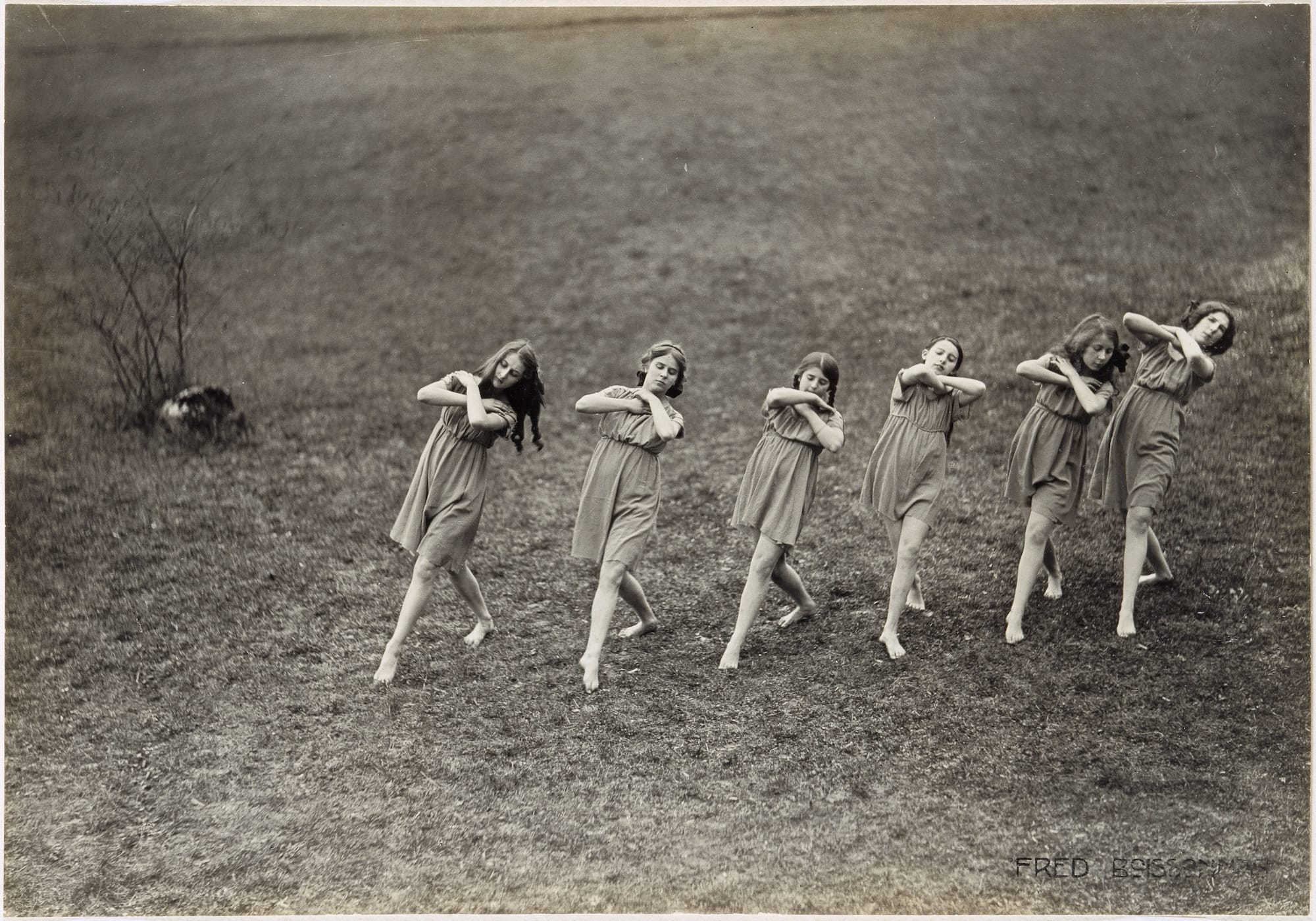
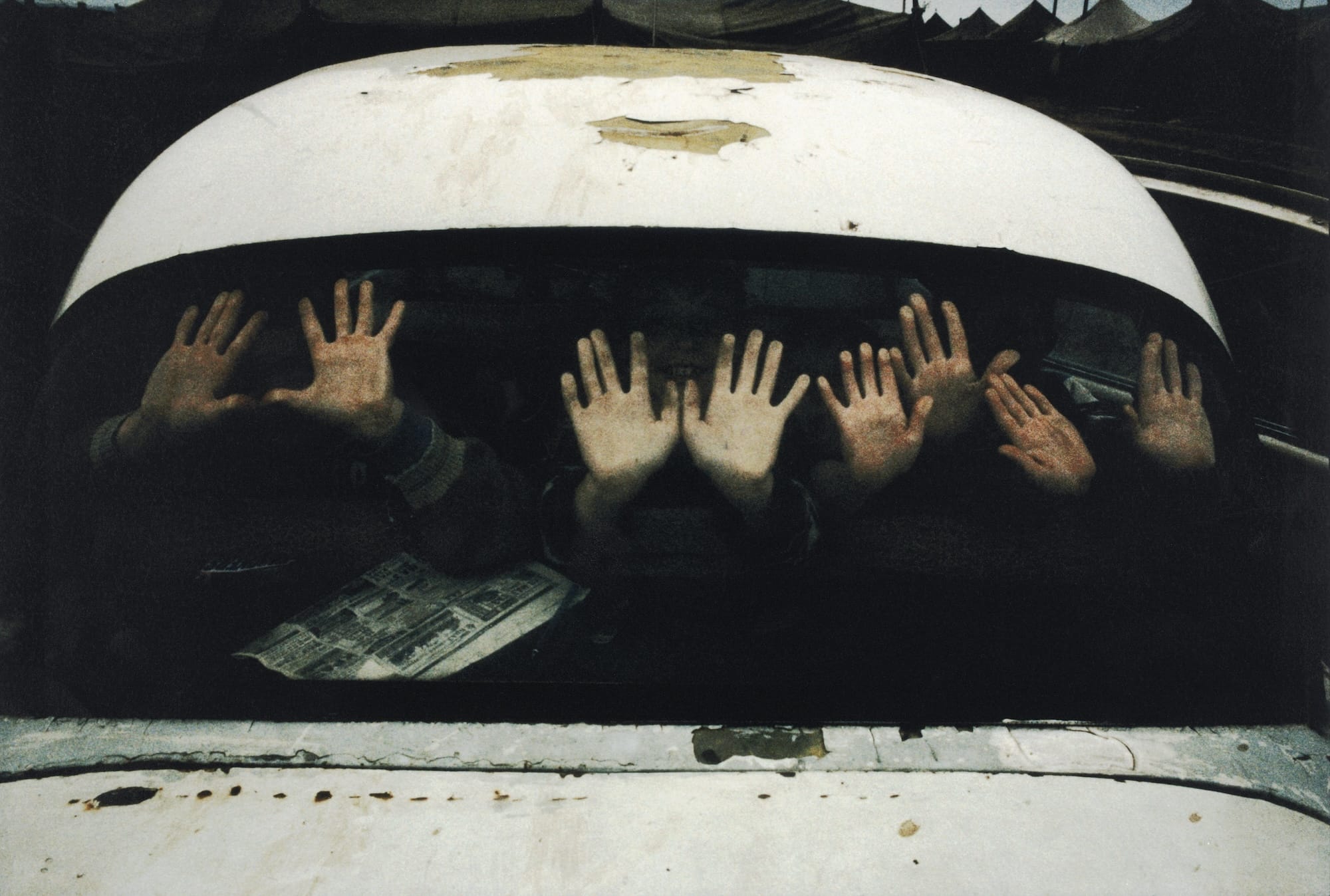
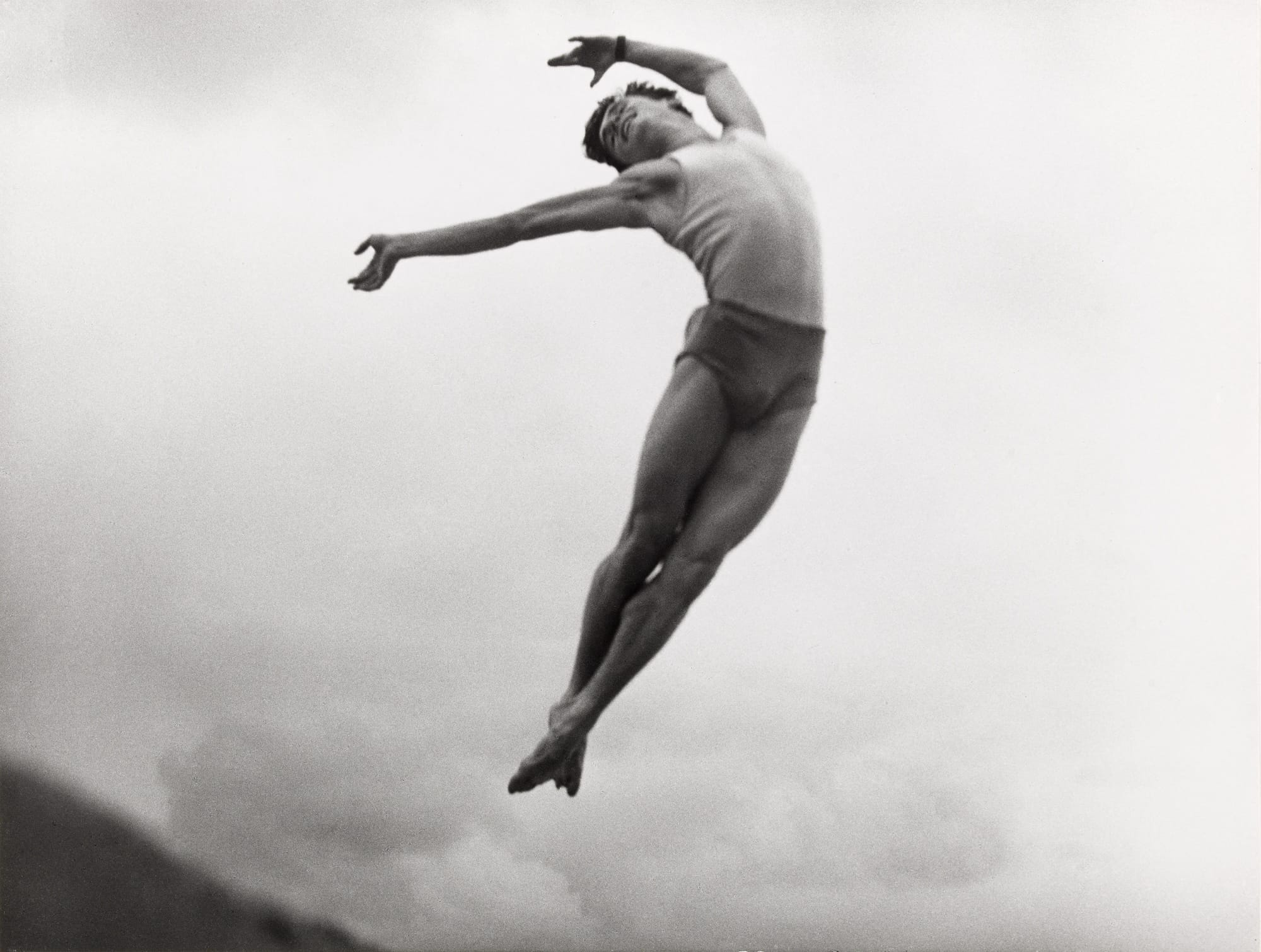
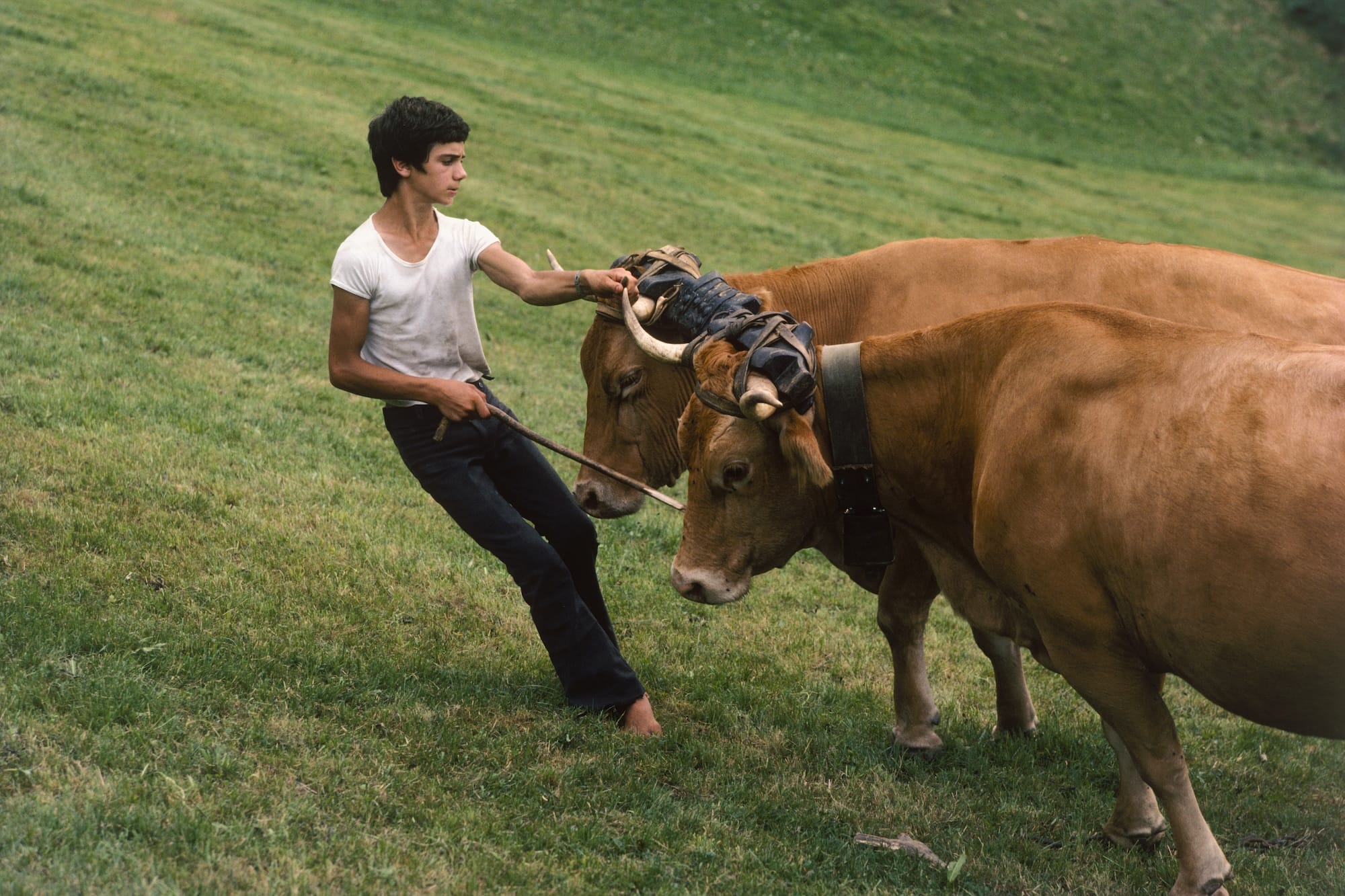
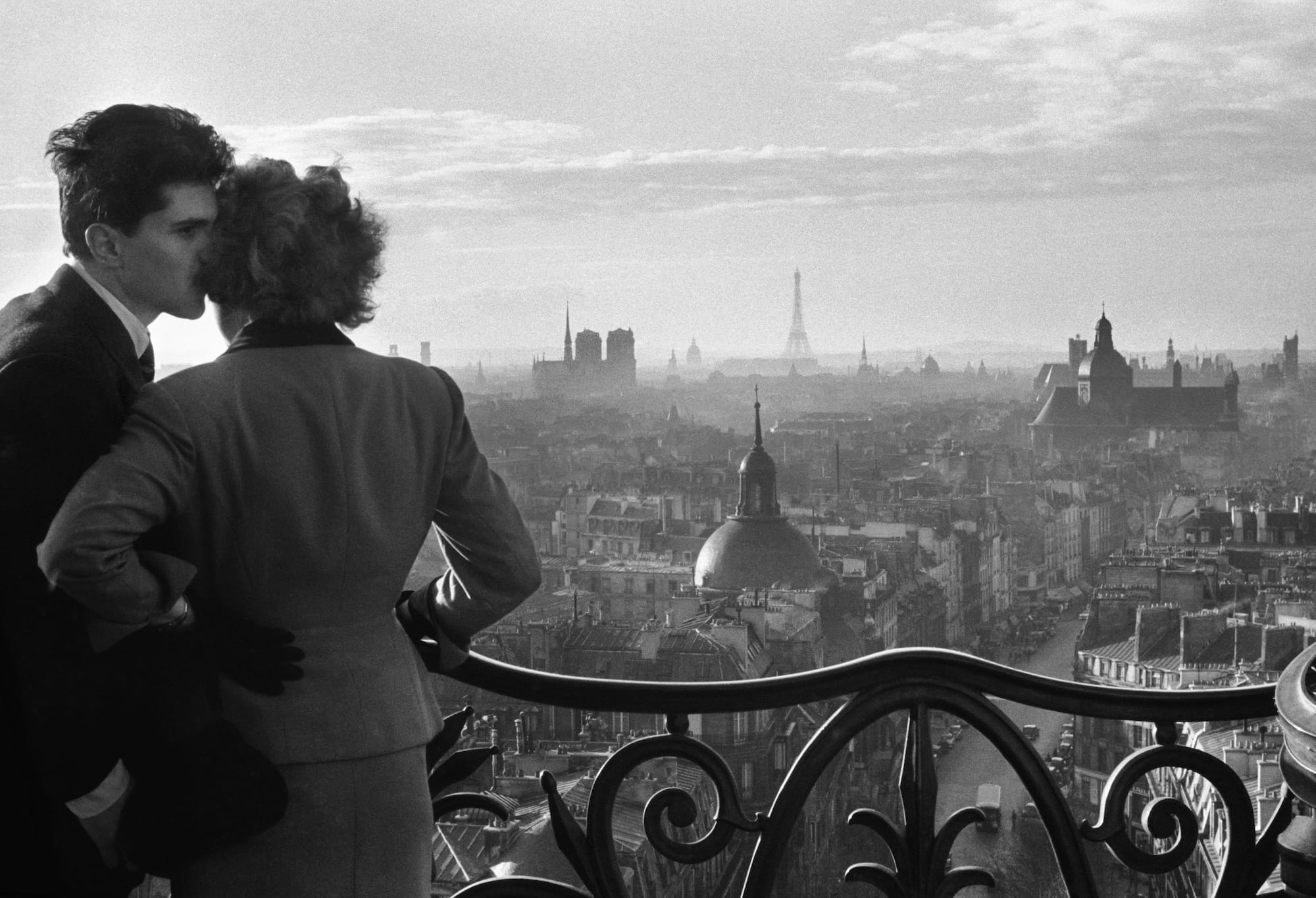
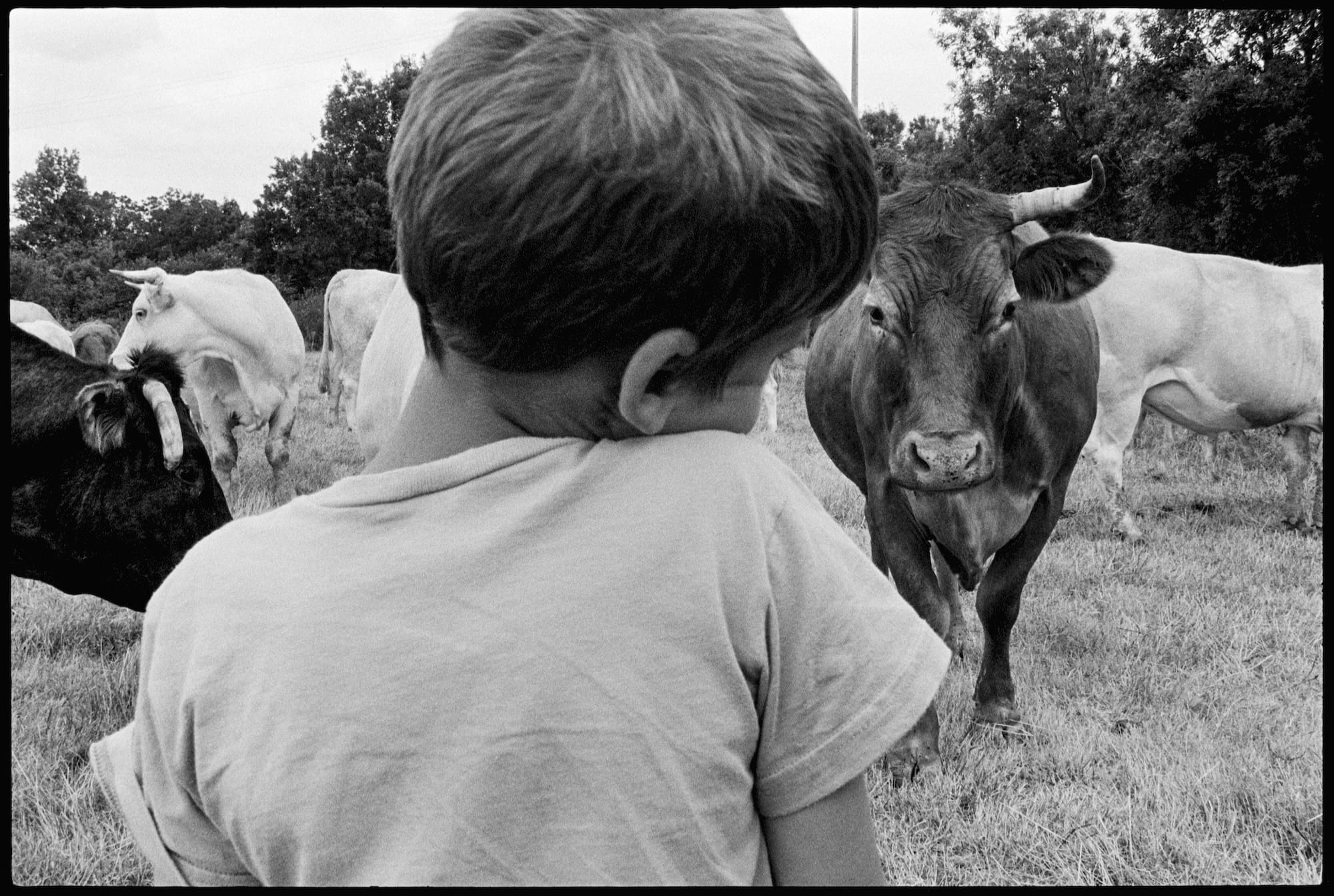
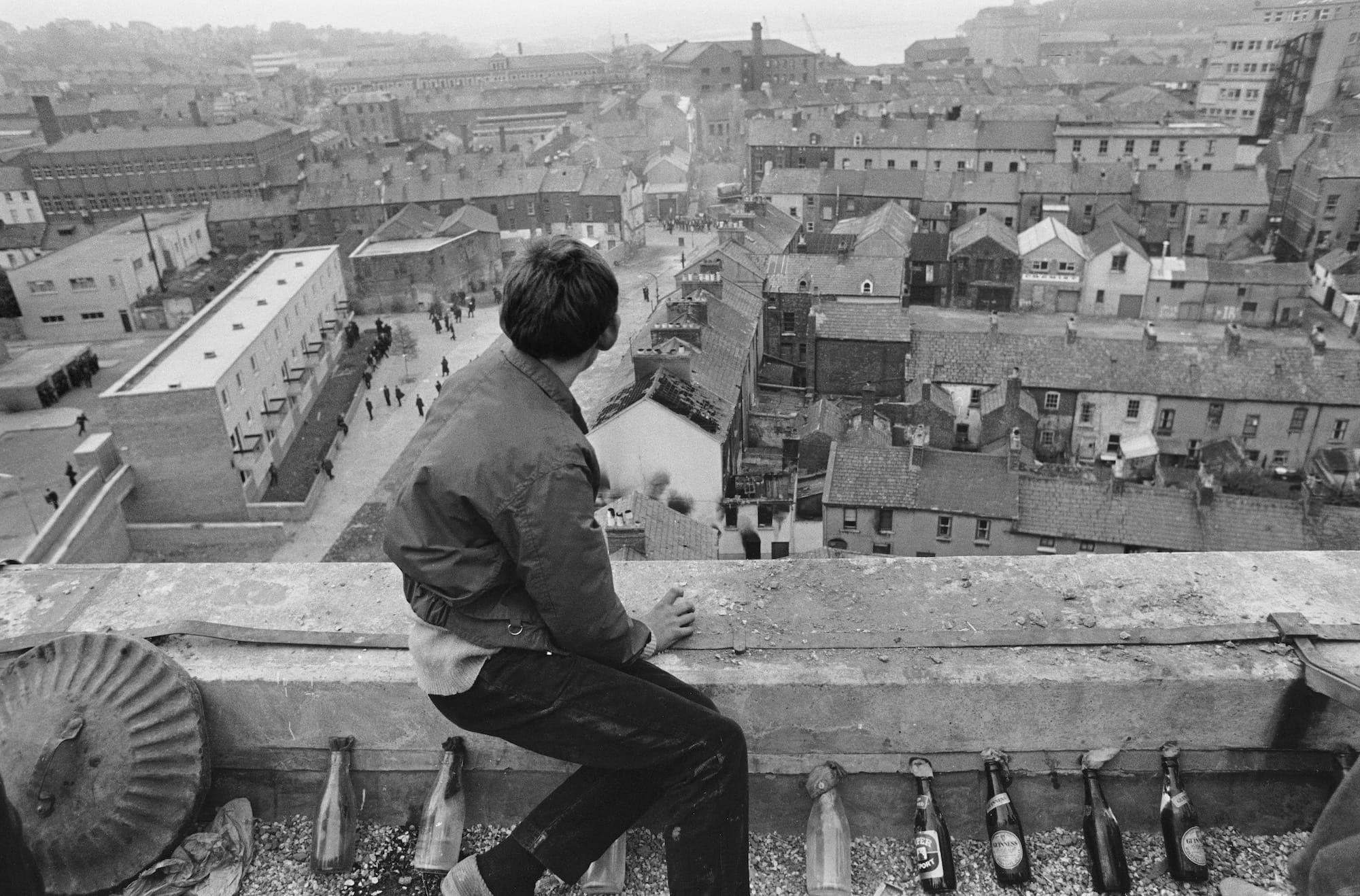
Celebrating 200 years of photography in France, GrandPalaisRmn has organized a series of 11 themed, traveling exhibitions as part of the ambitious initiative titled Grand Angle. From 19th-century studio portraits and dance to rural life and the front lines of war, the shows highlight a wide range of subject matter and individuals behind the lens. The selections are drawn primarily from the vast archives of the GrandPalaisRmn and Médiathèque du patrimoine et de la photographie (MPP), which steward some 1.8 million digitized images altogether.
The shows are also coordinated in partnership with Centre national des arts plastiques (Cnap), the International Olympic Committee (IOC), and Fisheye, and they’re staged both around France and internationally. Ruralités, for example, just opened at the tourism office of Roubion, a small commune in southeastern France. And a solo exhibition of work by the late Willy Ronis is on view this month at the Châtel-Saint-Germain library. The program is slated to continue through September 2027.