Aminah Brenda Lynn Robinson’s Whimsical Books and Dolls Celebrate Black Community
When Aminah Brenda Lynn Robinson (1940-2015) was born, her family moved to Columbus, Ohio’s brand new Poindexter Village. The public housing estate, dedicated by Franklin D. Roosevelt in 1940, was one of the first federally funded projects of its kind to specifically support African Americans. (In 2028, a new museum is slated to honor its history.)
Other than a few years’ stint in Boise, Idaho, while she was married to a man serving in the U.S. Air Force, Robinson spent her life in Columbus, where she had also studied art in college. The 1970s spurred a period of growth in the artist’s creative practice, during which she worked for the city’s recreation and parks department and often facilitated workshops. Then, during a study trip to Egypt in 1979, a holy man tendered the name “Aminah,” which she legally adopted and preferred to go by thereafter. In the early 1980s, she exhibited her work for the first time.
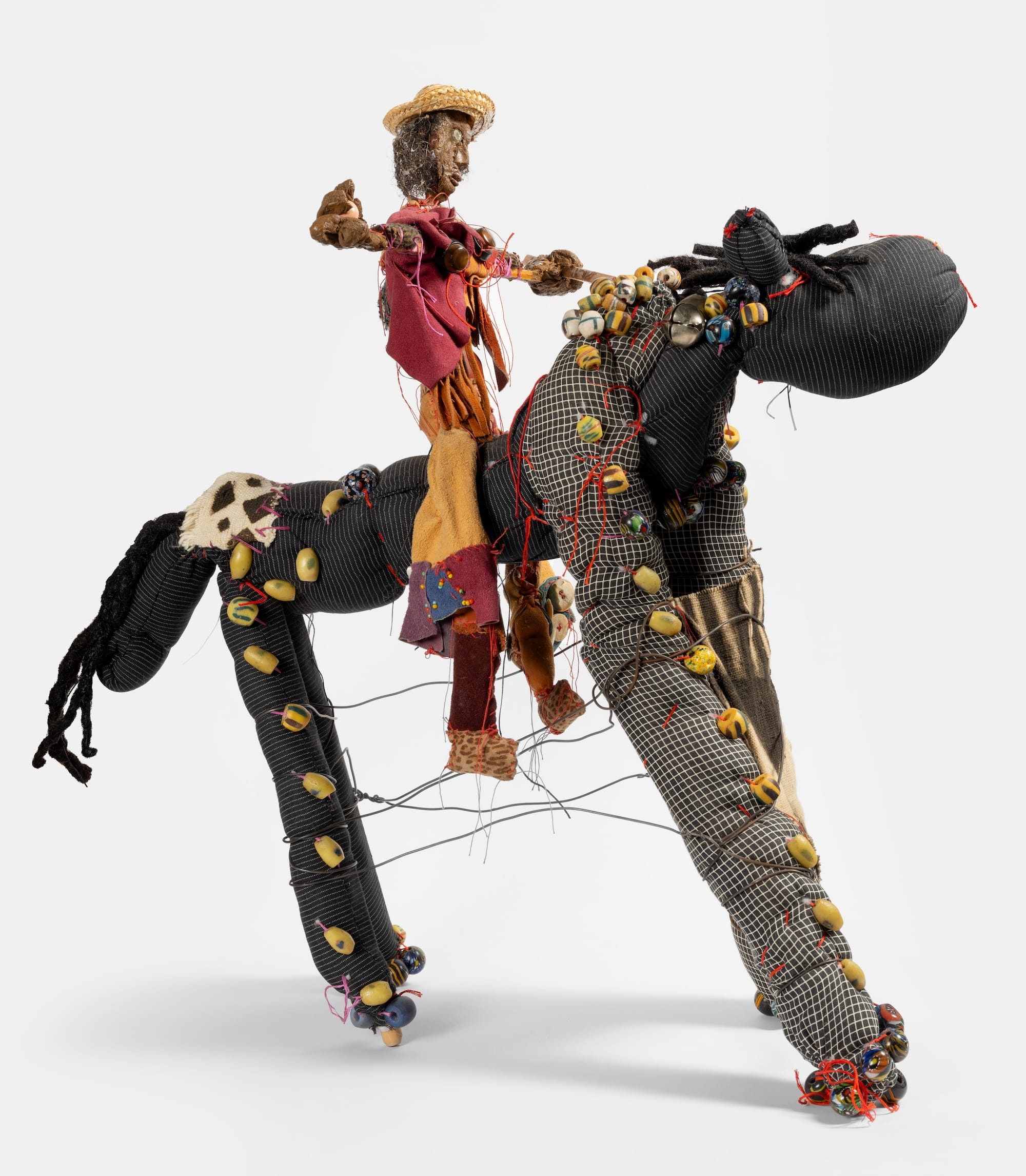
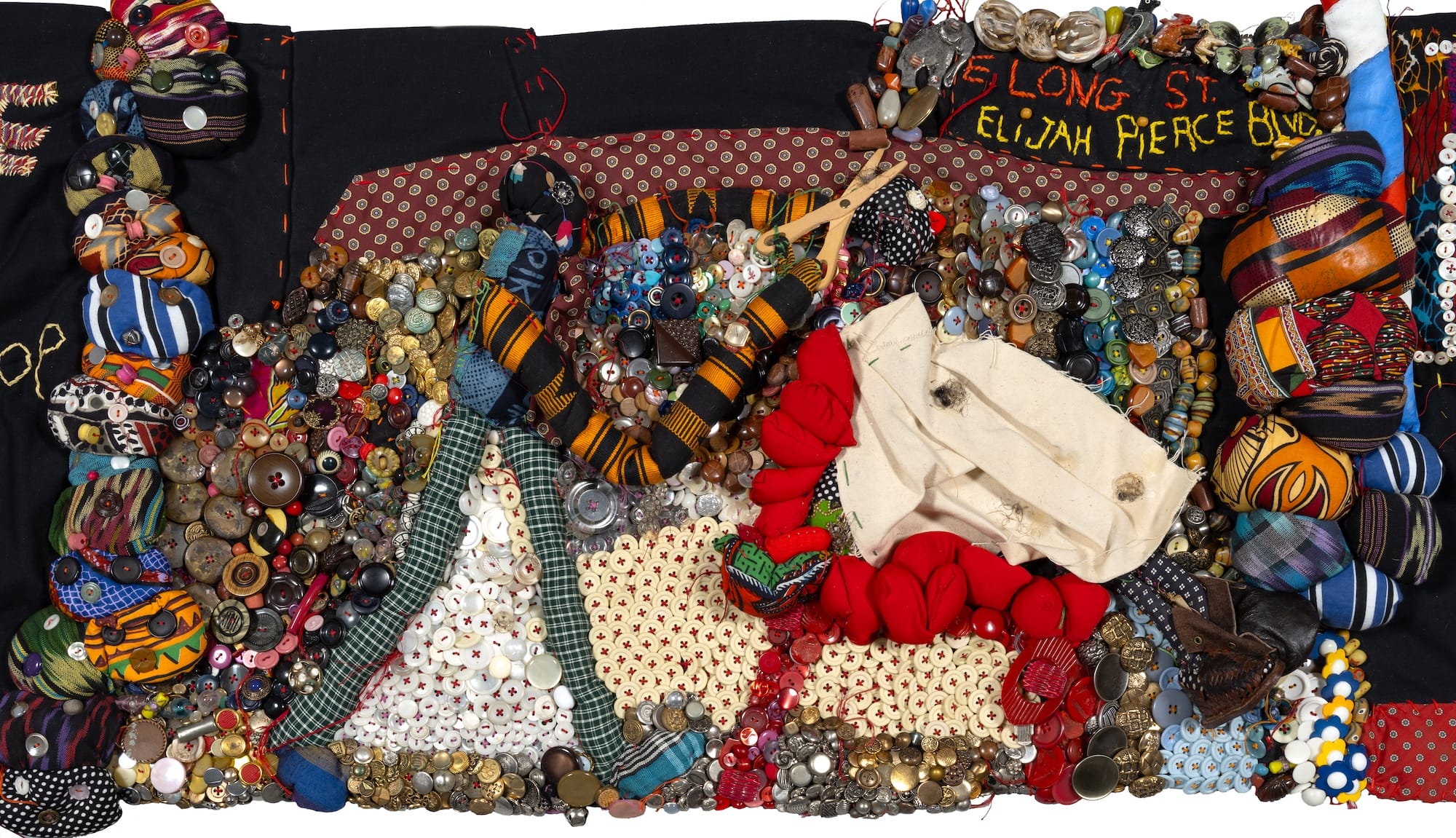
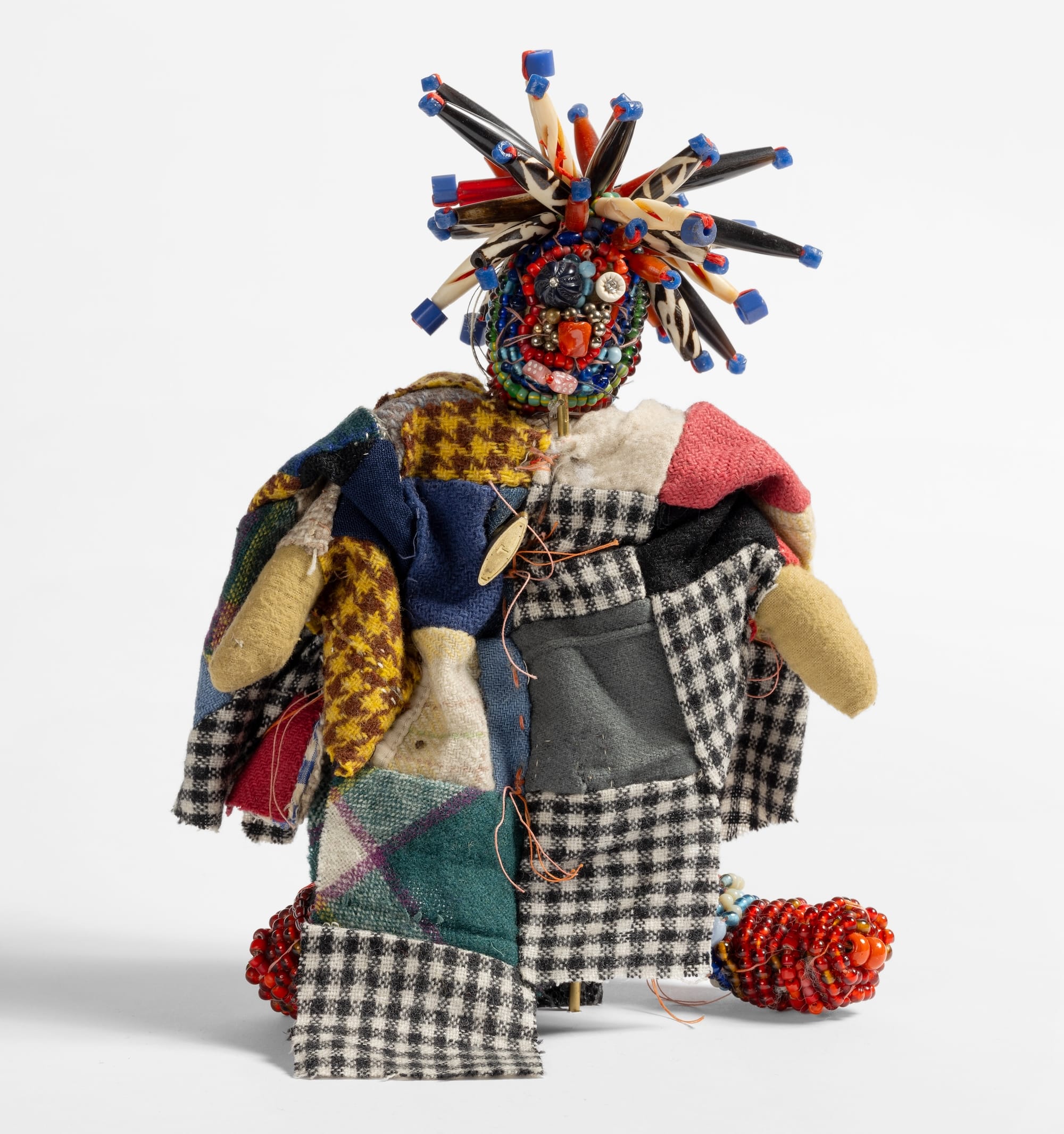
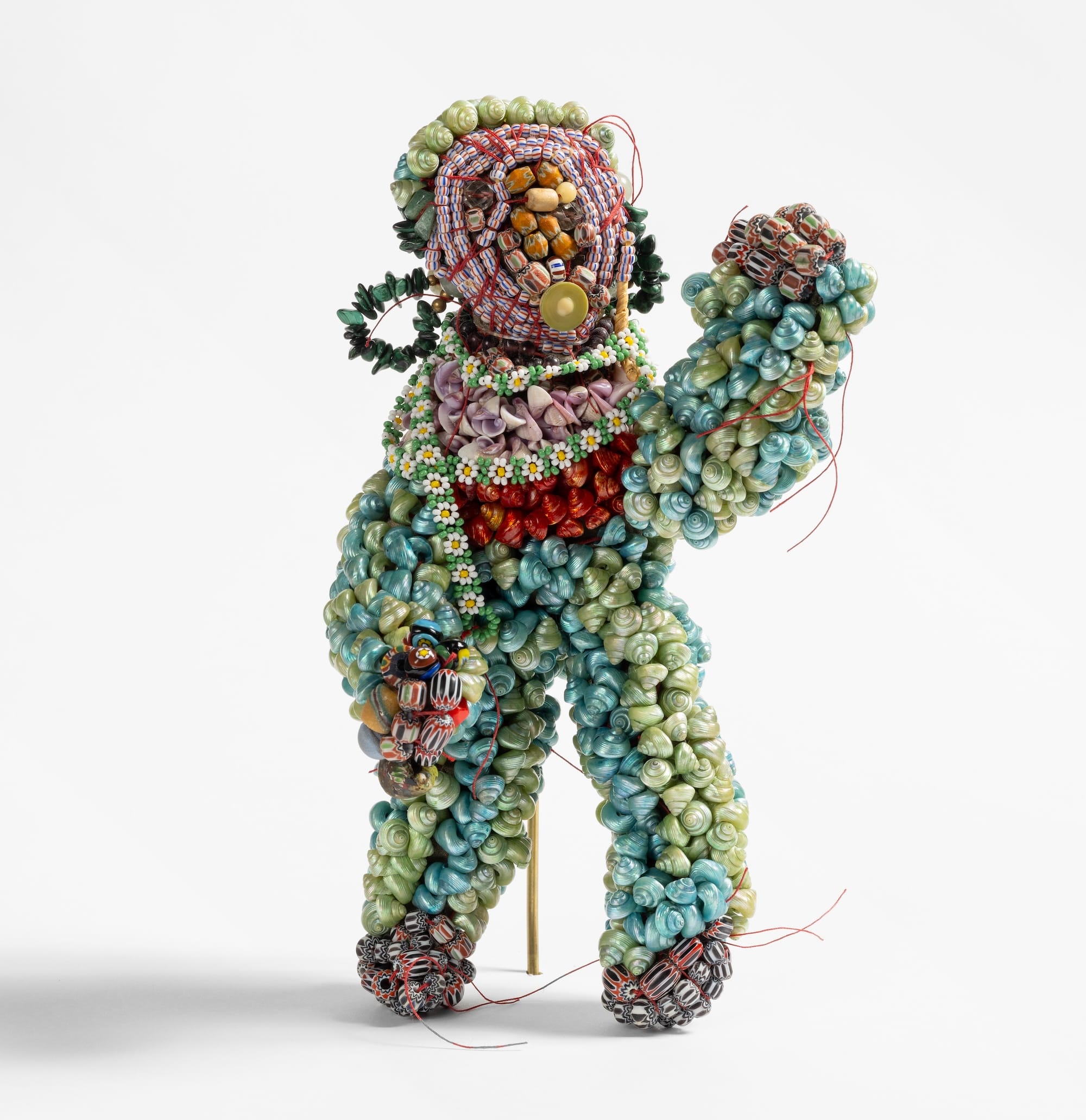
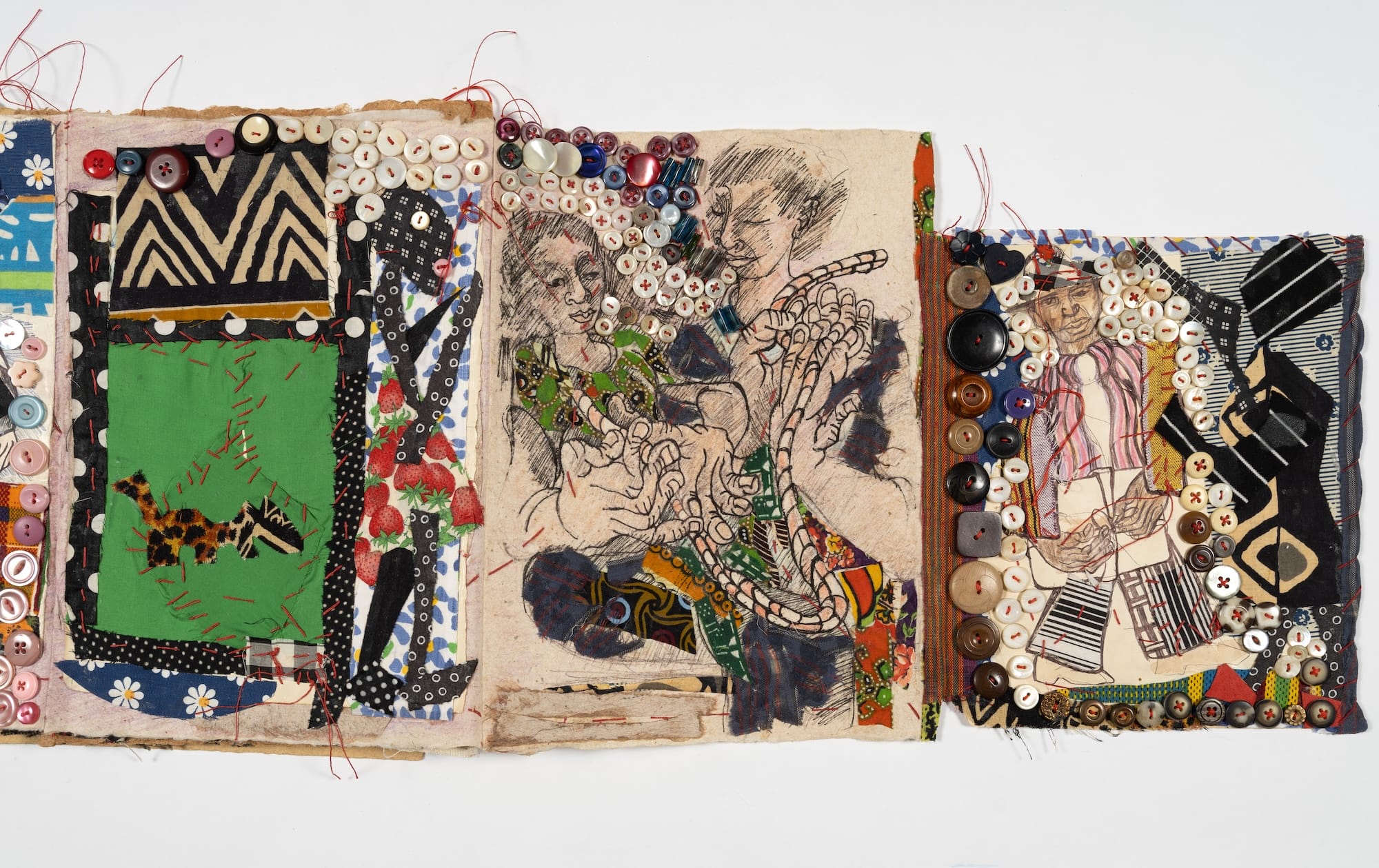
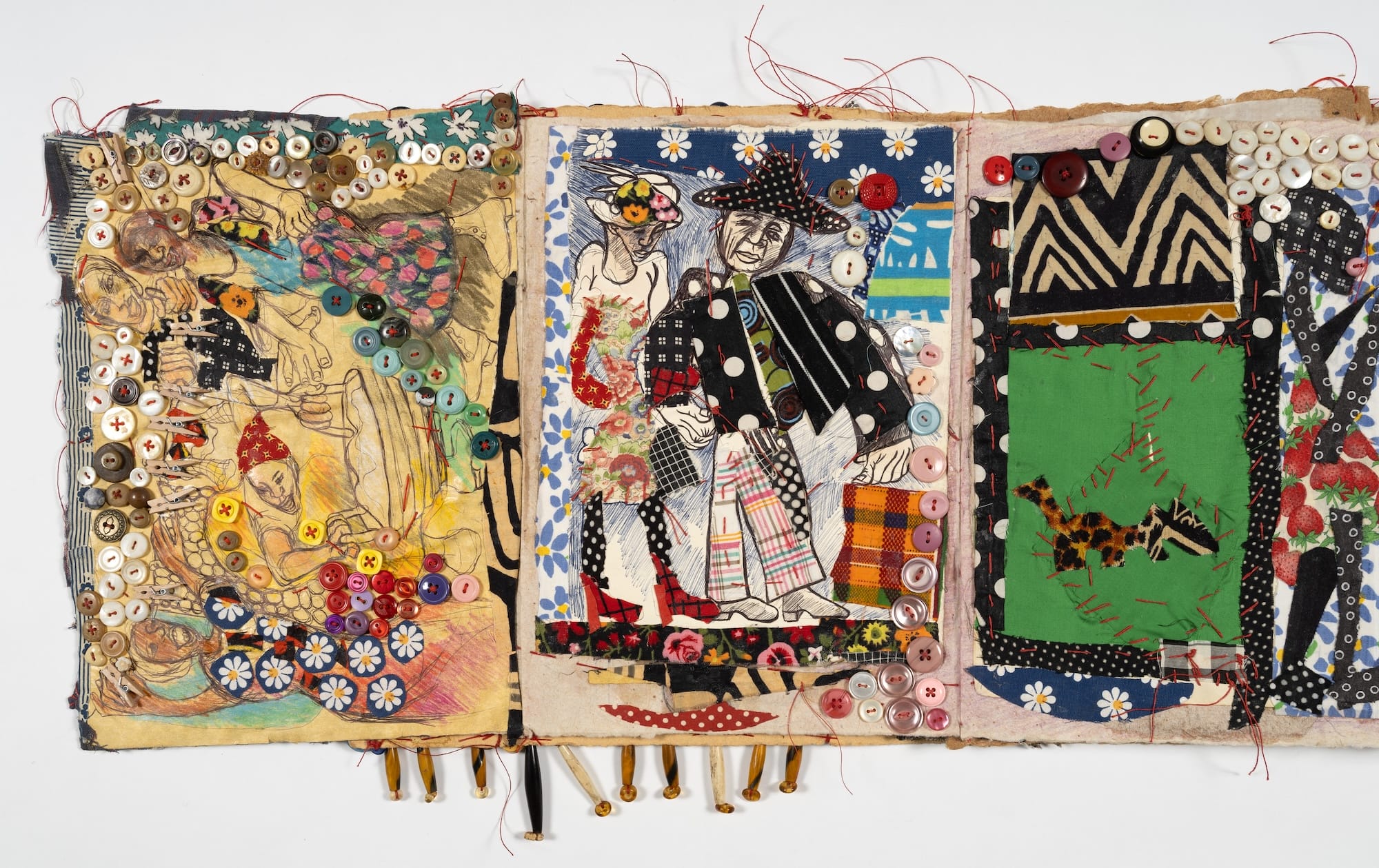
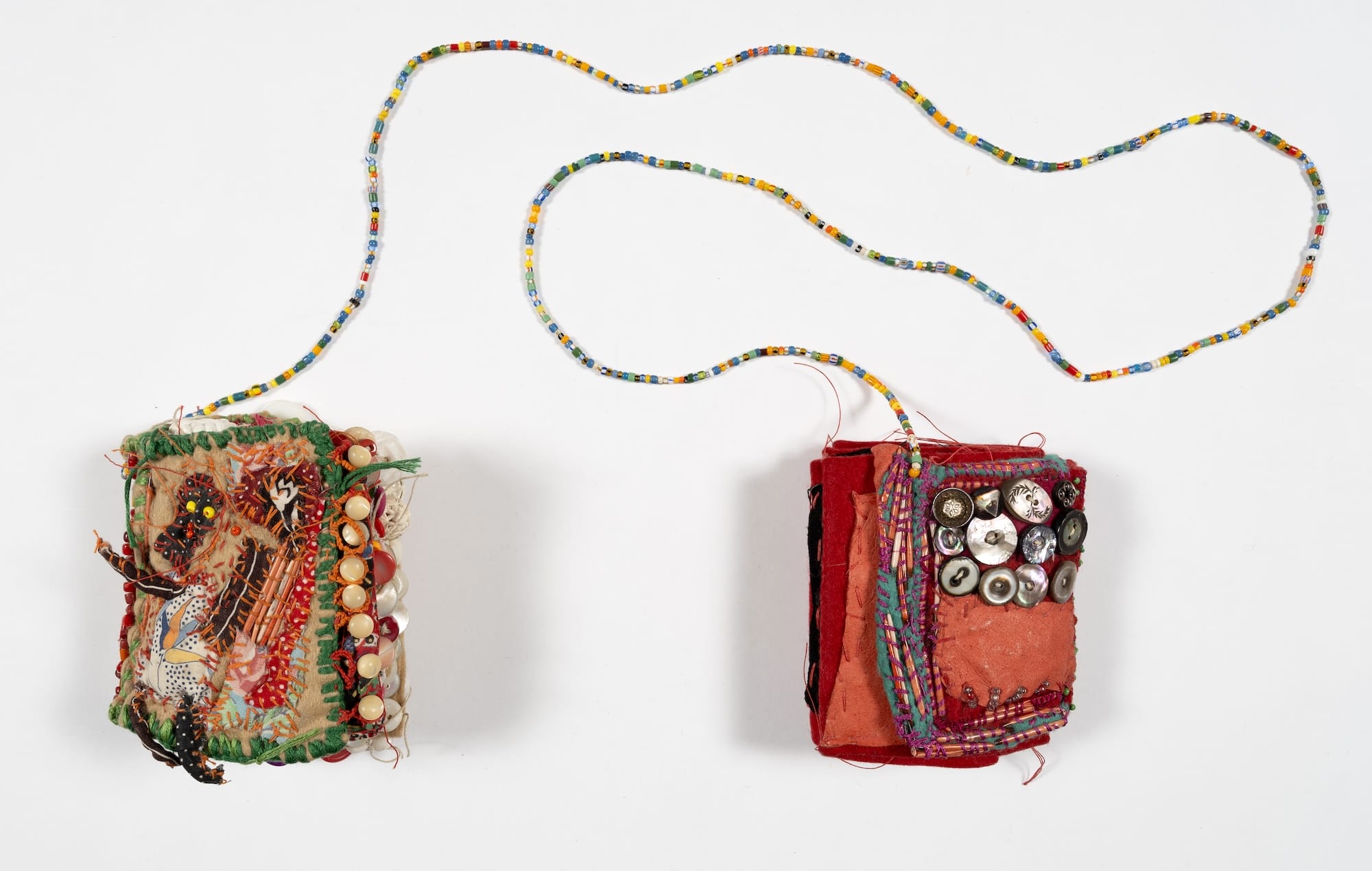
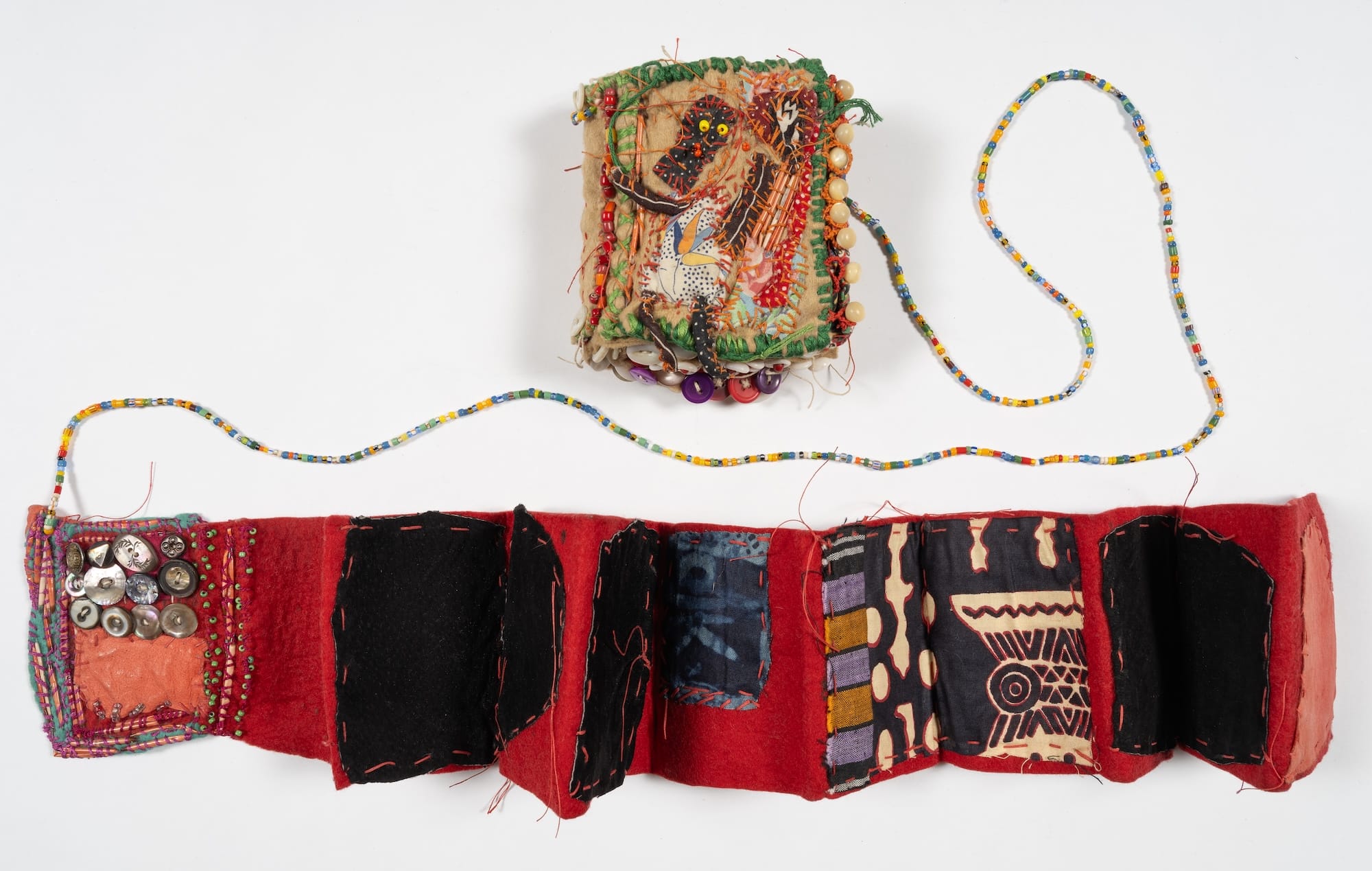
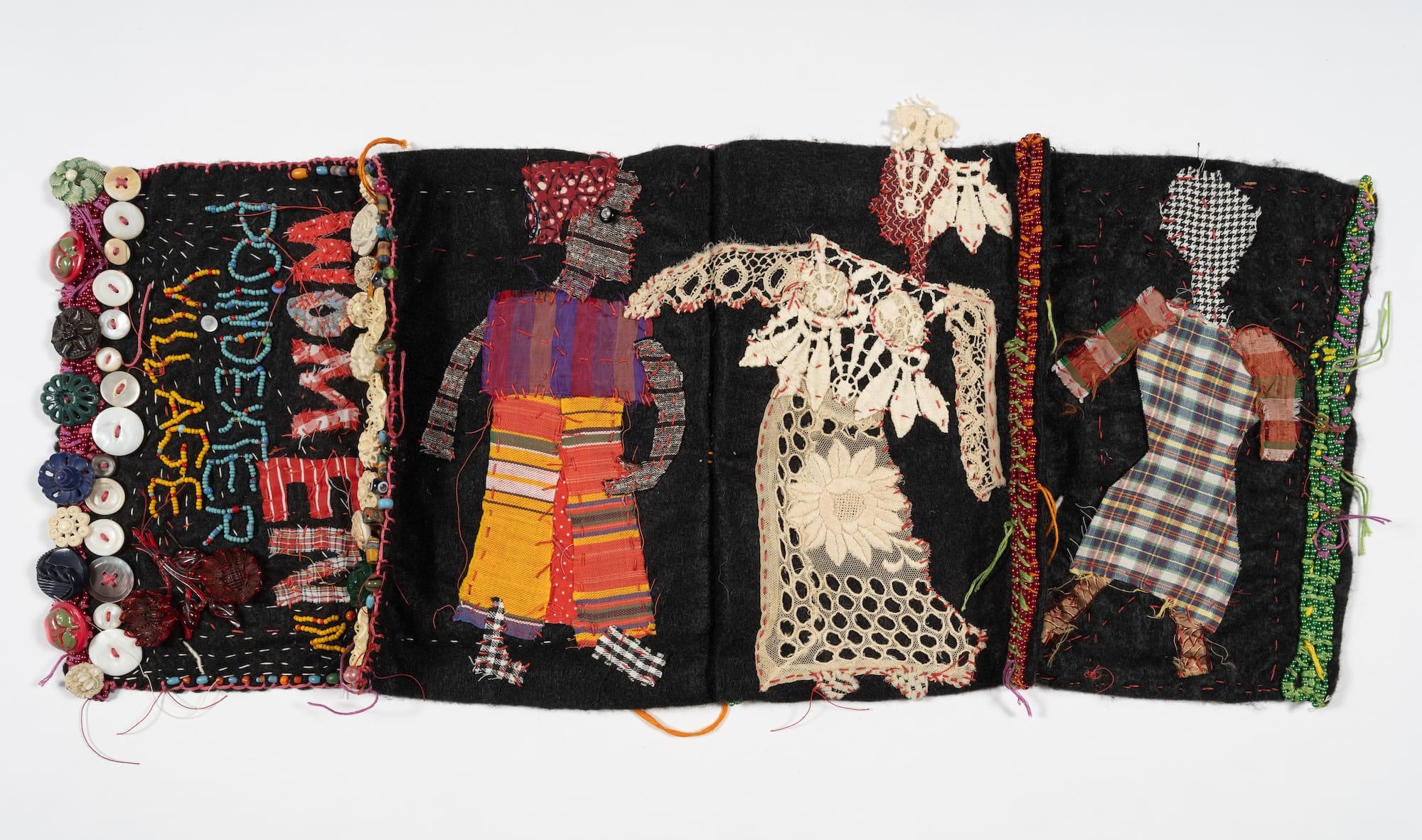
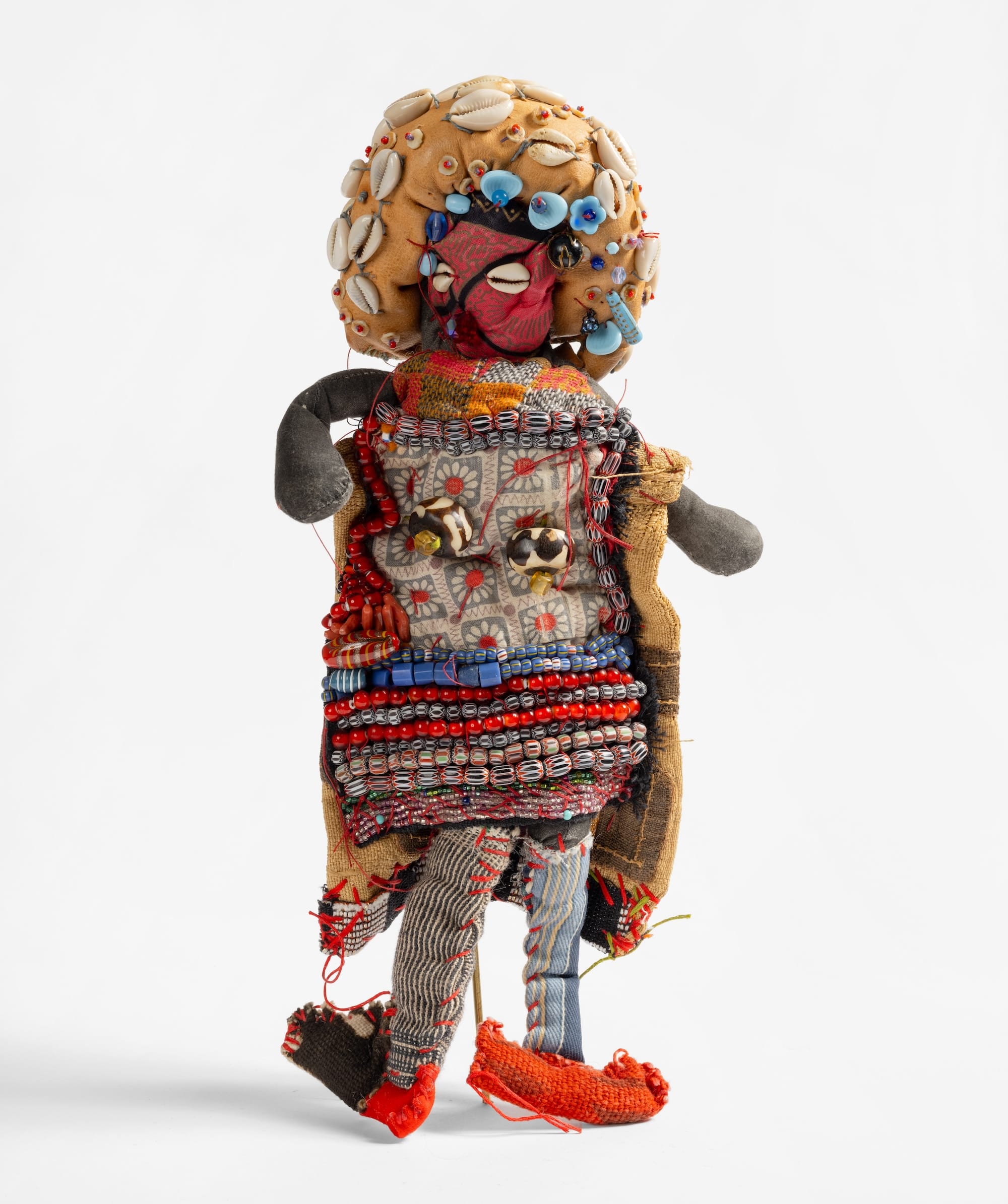
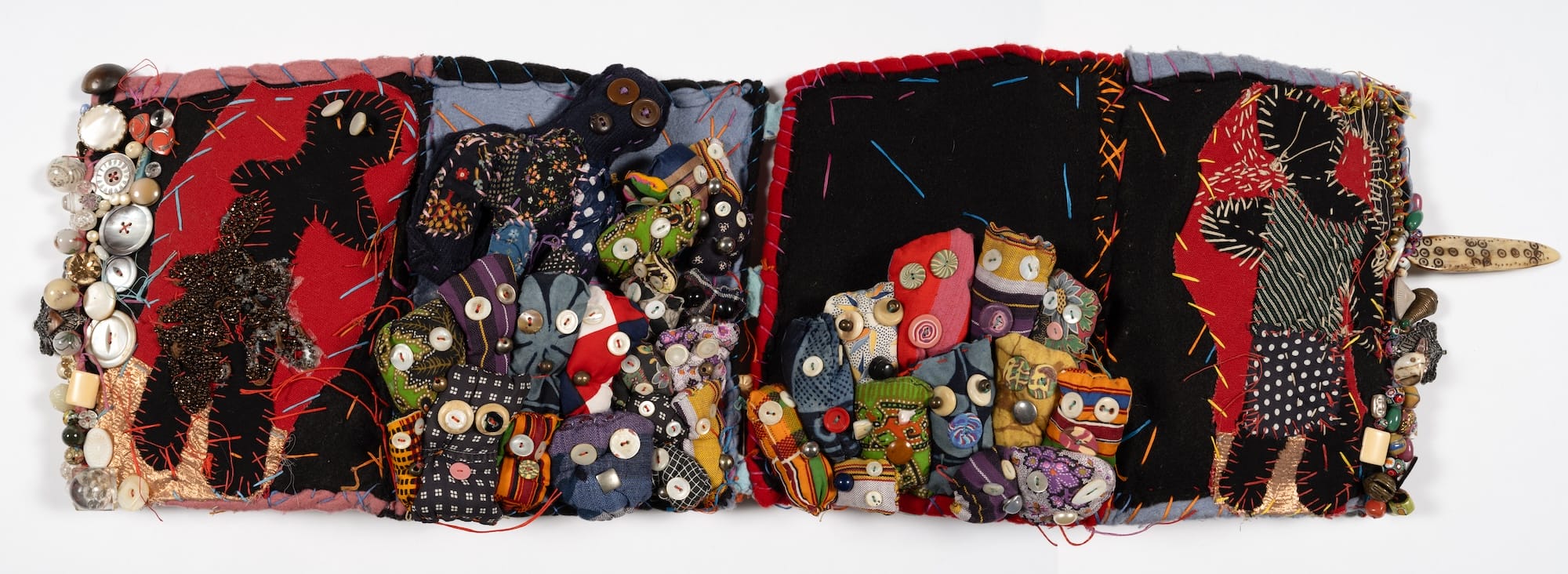
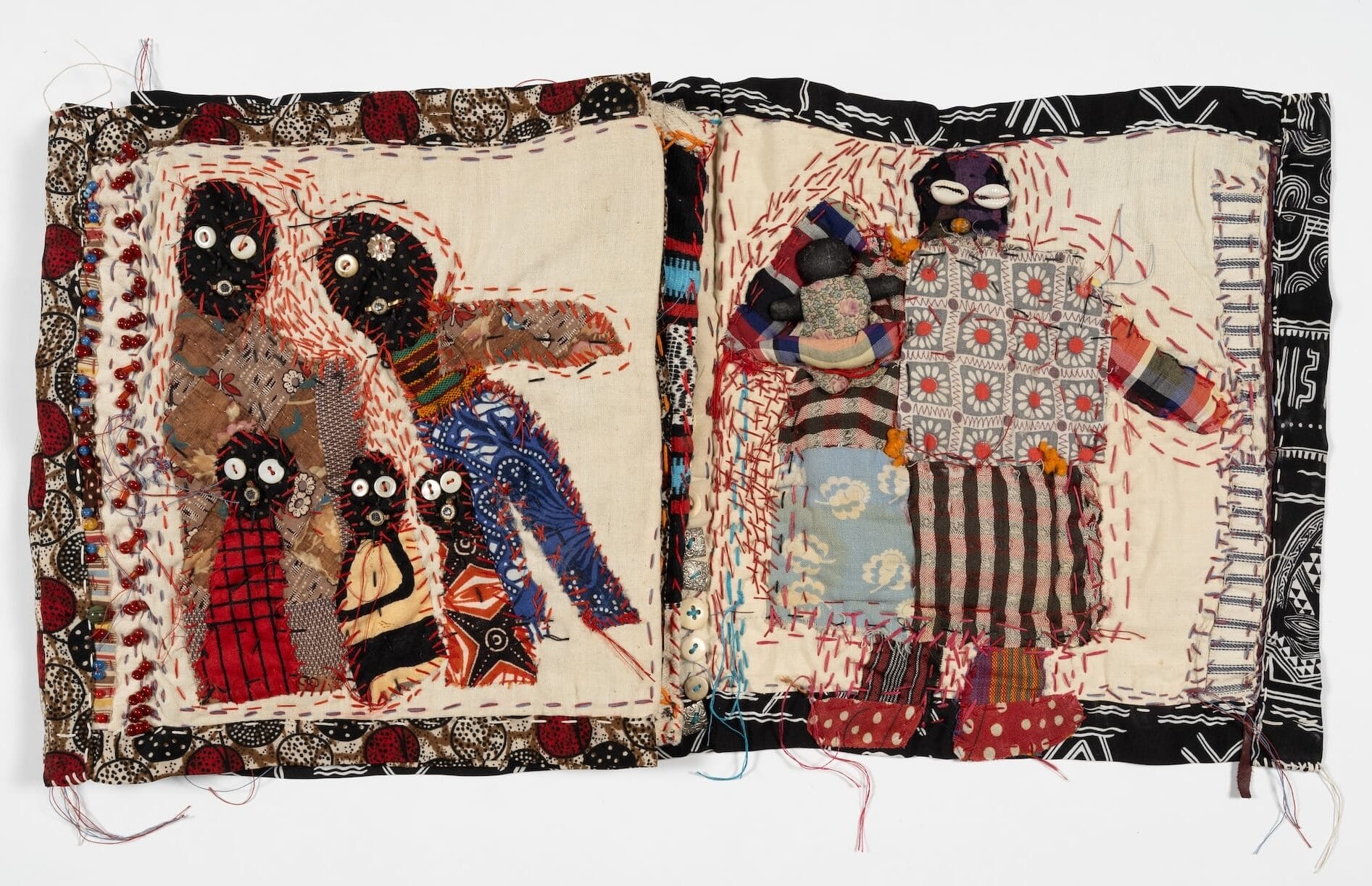
In collaboration with the Columbus Museum of Art, where Robinson’s work is a highlight of the collection, Fort Gansevoort presents 25 of the late artist’s works later this month in Beaded and Bound. Spanning a collection of mixed-media books and embellished textiles and dolls, the exhibition features embroidery, appliqué, writing, painting, and drawing in which “the artist wove personal memories, family histories, and local narratives into richly tactile, sometimes peculiar, and always moving works alive with the histories of the African diaspora,” the gallery says.
Robinson’s interest in storytelling is matched by her experimental, almost stream-of-consciousness approach. She described the practice of creating sculptural reliefs on her books as “RagGonNon,” which she considered to be interactive, constantly evolving, and open to interpretation in the way that literature evokes different things for different readers. She viewed her vernacular visual narratives the same way.
The artist also concocted unique combinations of materials, not only assembling different elements such as shells and buttons but also creating distinctive structural substances. Notably, Robinson used a mixture she called “hogmawg,” which consists of clay, leaves, twigs, mud, lime, animal grease, and glue—a process she learned from her father, who had initially taught her the craft of bookmaking. She picked up sewing and needlework from her mother.
Robinson also found a fruitful creative connection with fellow Columbus artist Elijah Pierce, whom she described as a spiritual mentor and friend. “He was a great person, a great artist, and a person who walked with integrity, and he passed on so much of that wisdom to me,” she once said. “We just generally like to be around each other. There was just a connection there.”
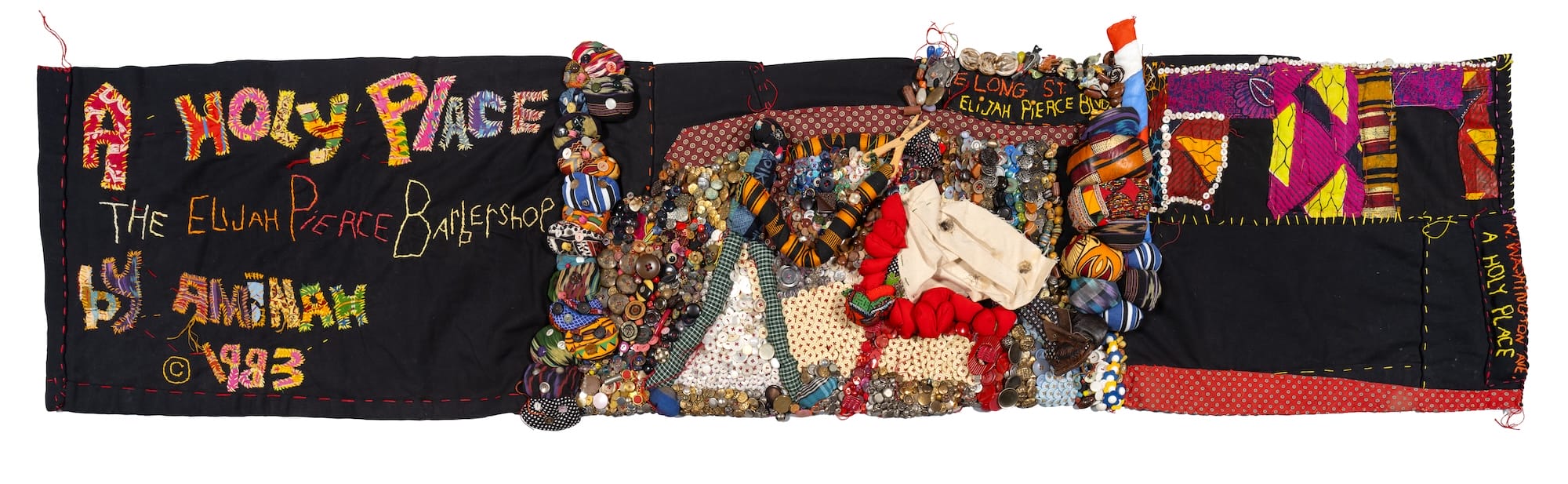
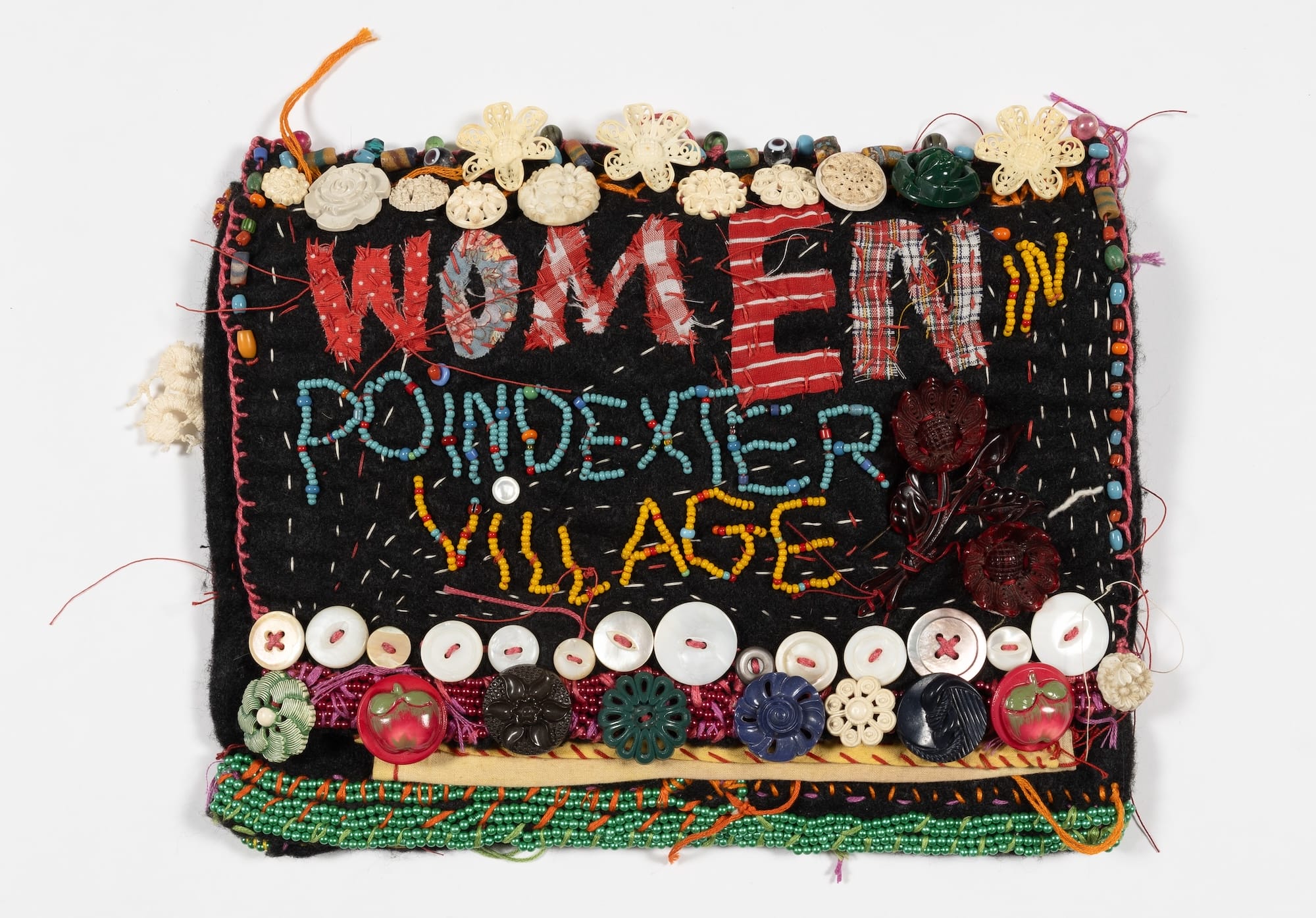
Through textural, whimsical narratives, Robinson’s books and dolls are simultaneously autobiographical and universal. “A Holy Place: The Elijah Pierce Barbershop,” for example, depicts her friend in his place of work, nodding to a meaningful personal relationship but also celebrating more broadly the barbershop as a “sacred” place of connection and joy in African American communities. “Women in Poindexter Village, Button Beaded Book” references fellow residents on the estate, including a special tribute to her mother tucked inside.
Beaded and Bound opens on November 19 and continues through January 16 in New York City.