More Than 18,000 Wildlife Species Populate Joel Sartore’s Ambitious ‘Photo Ark’ (So Far!)
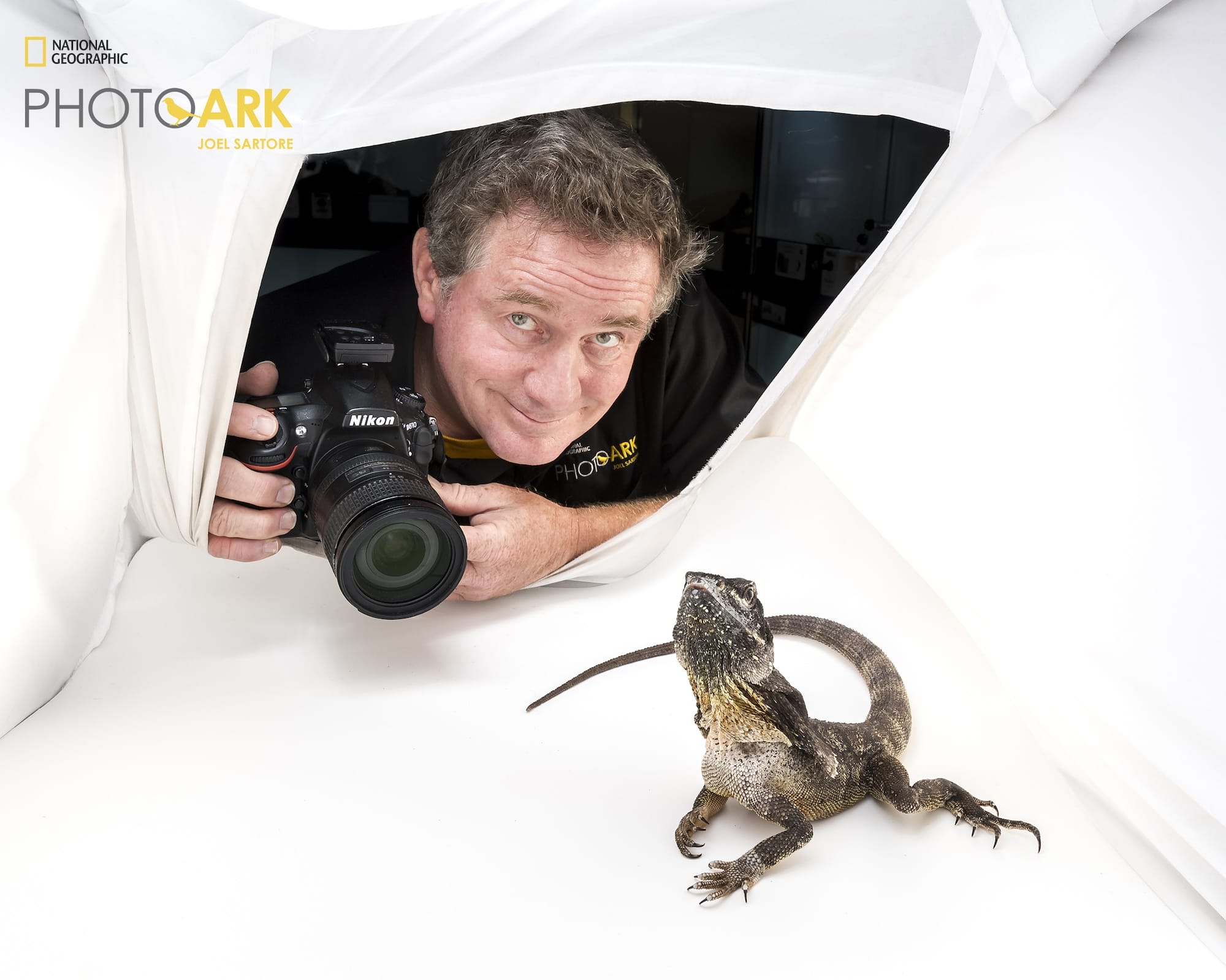
Twenty years ago, National Geographic photographer Joel Sartore set out on a deceptively simple multi-year mission: to create a photo archive of biodiversity. Documenting around a thousand animals each year, his ultimate goal is a portrait catalogue showcasing more than 25,000 species. As of this writing, Sartore has documented 18,567 animals, including the new species of cat recently discovered in Bolivia. In zoos, aquariums, wildlife sanctuaries, and more, he collaborates with conservationists and researchers to document an awe-inspiring yet tiny fraction of life on our planet.
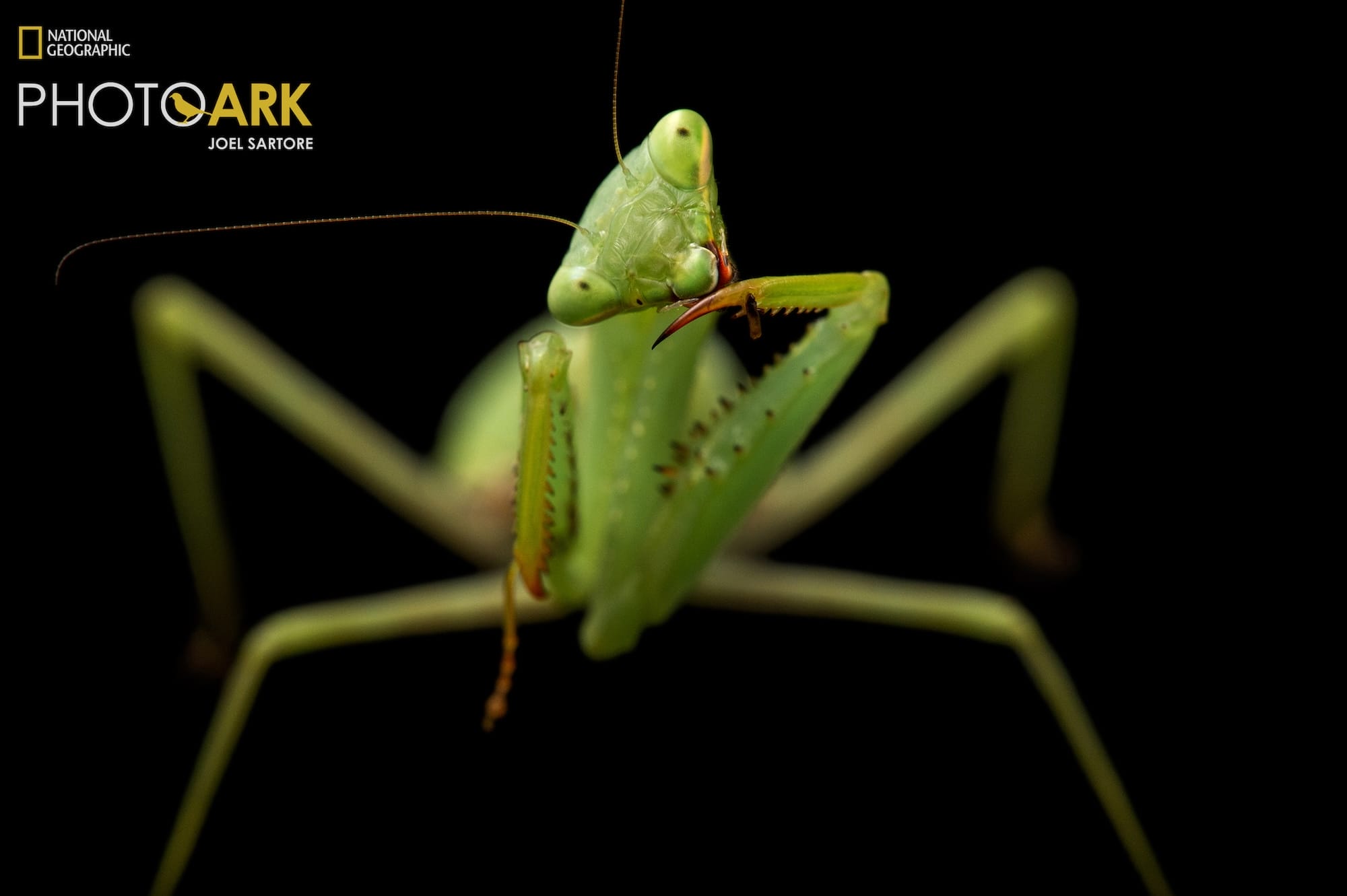
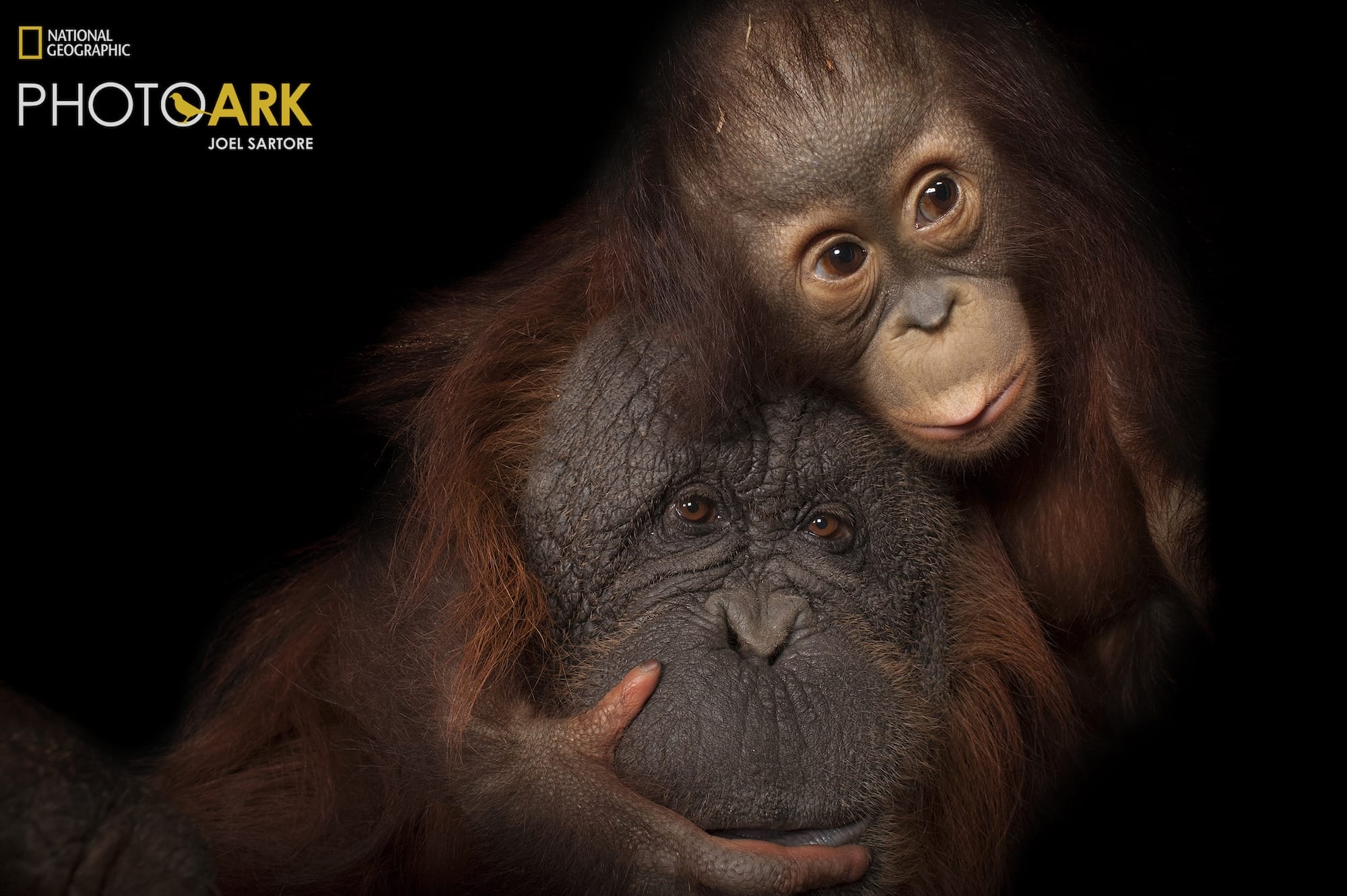
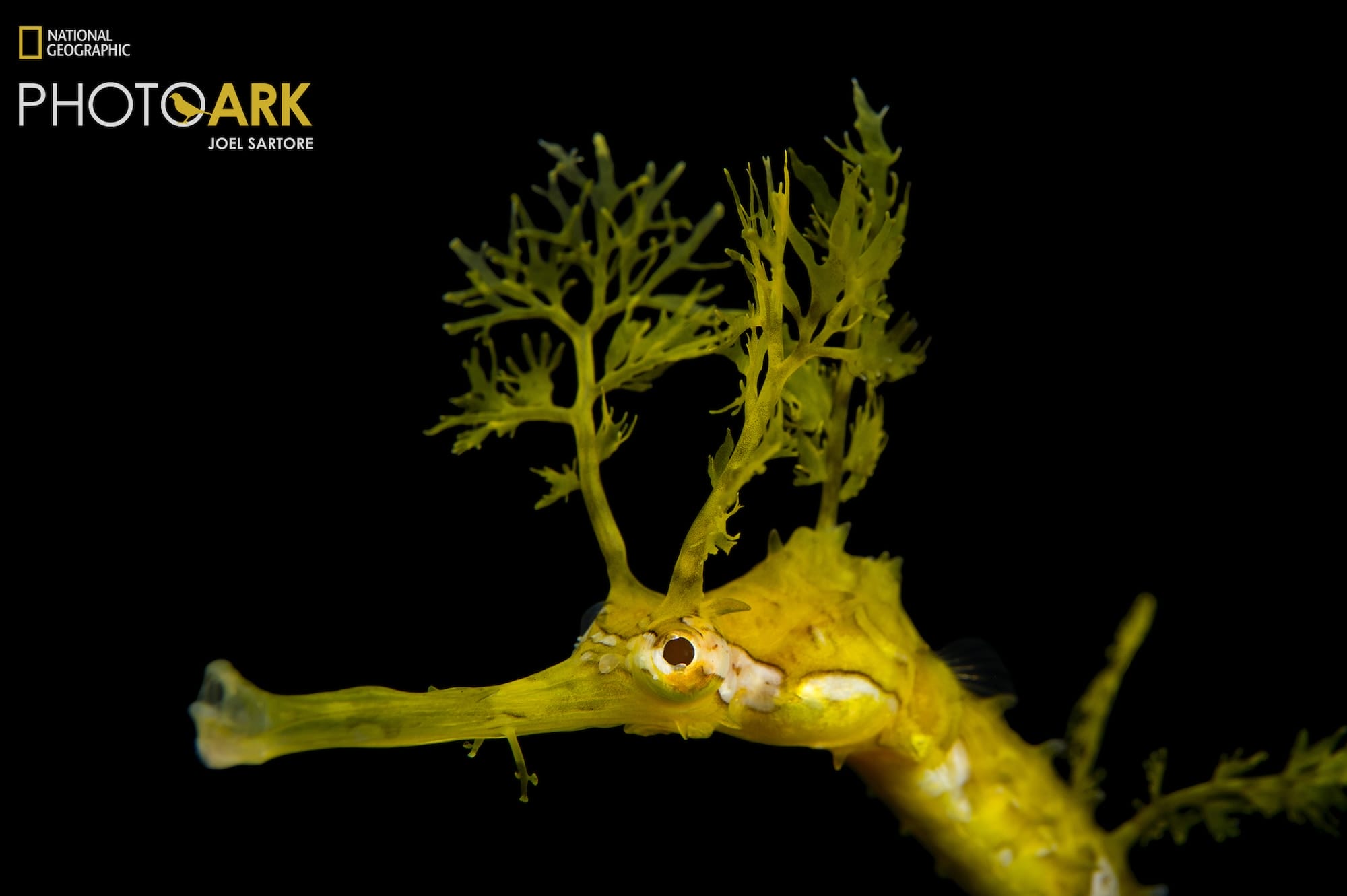
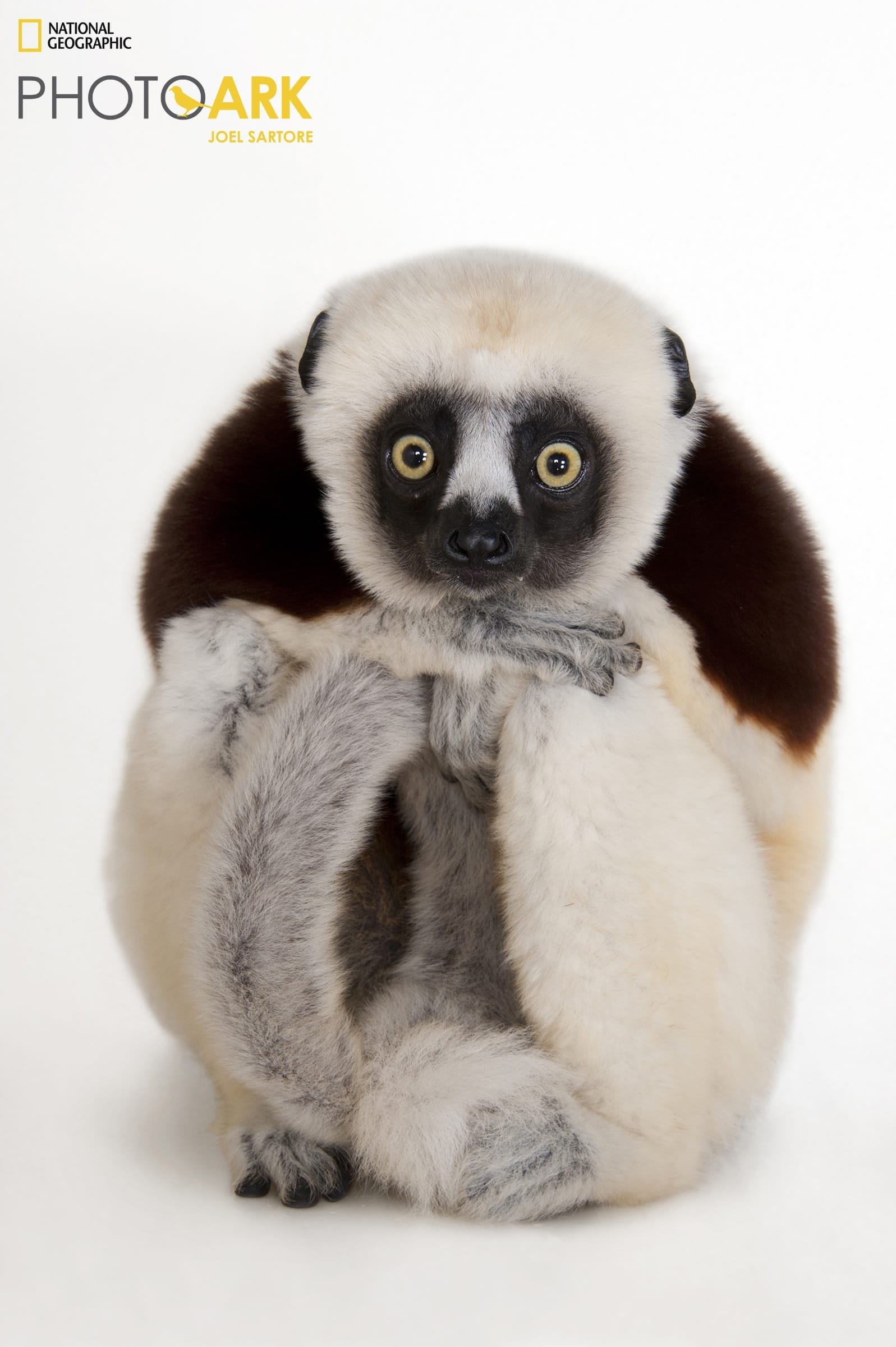
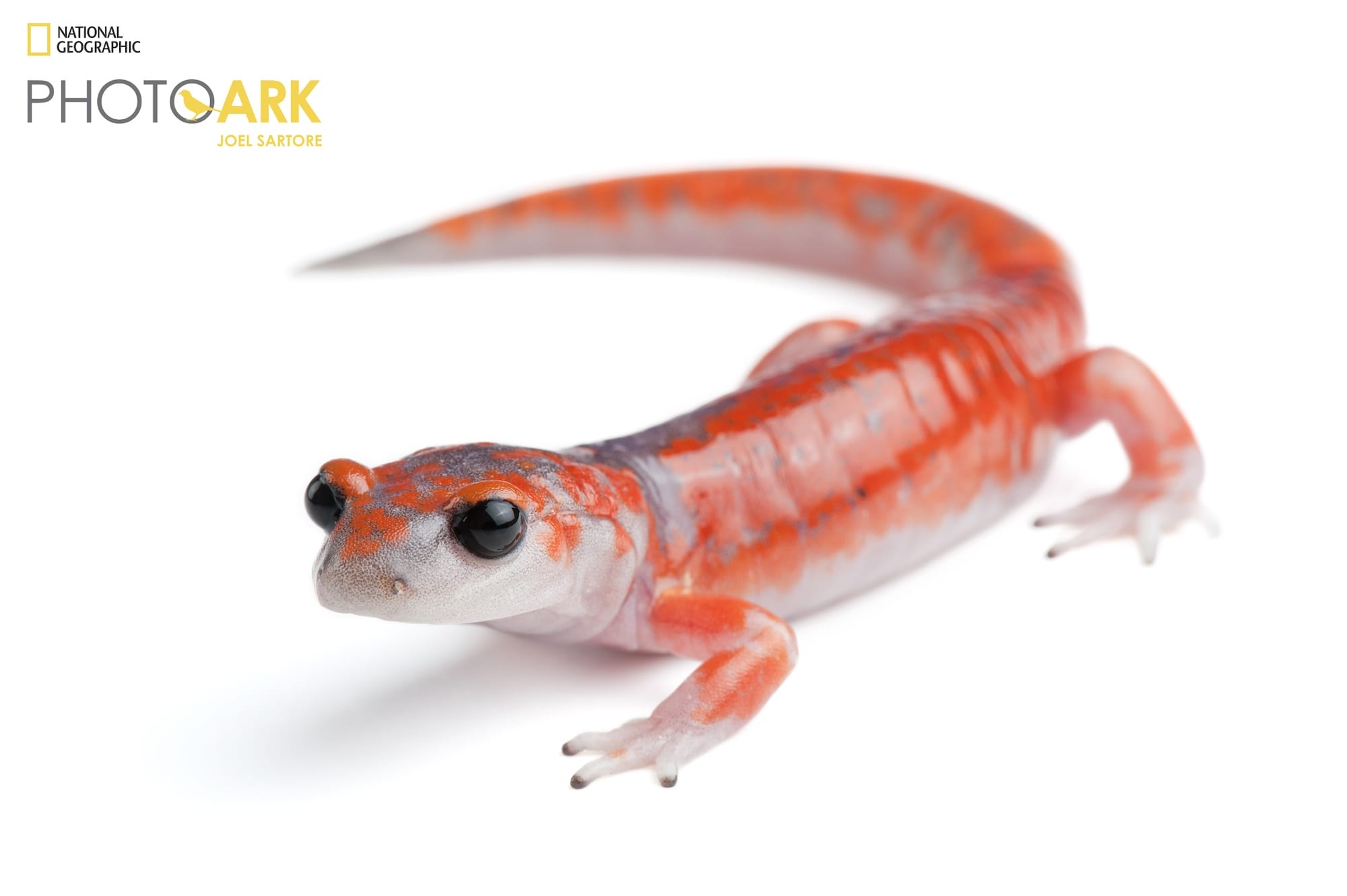
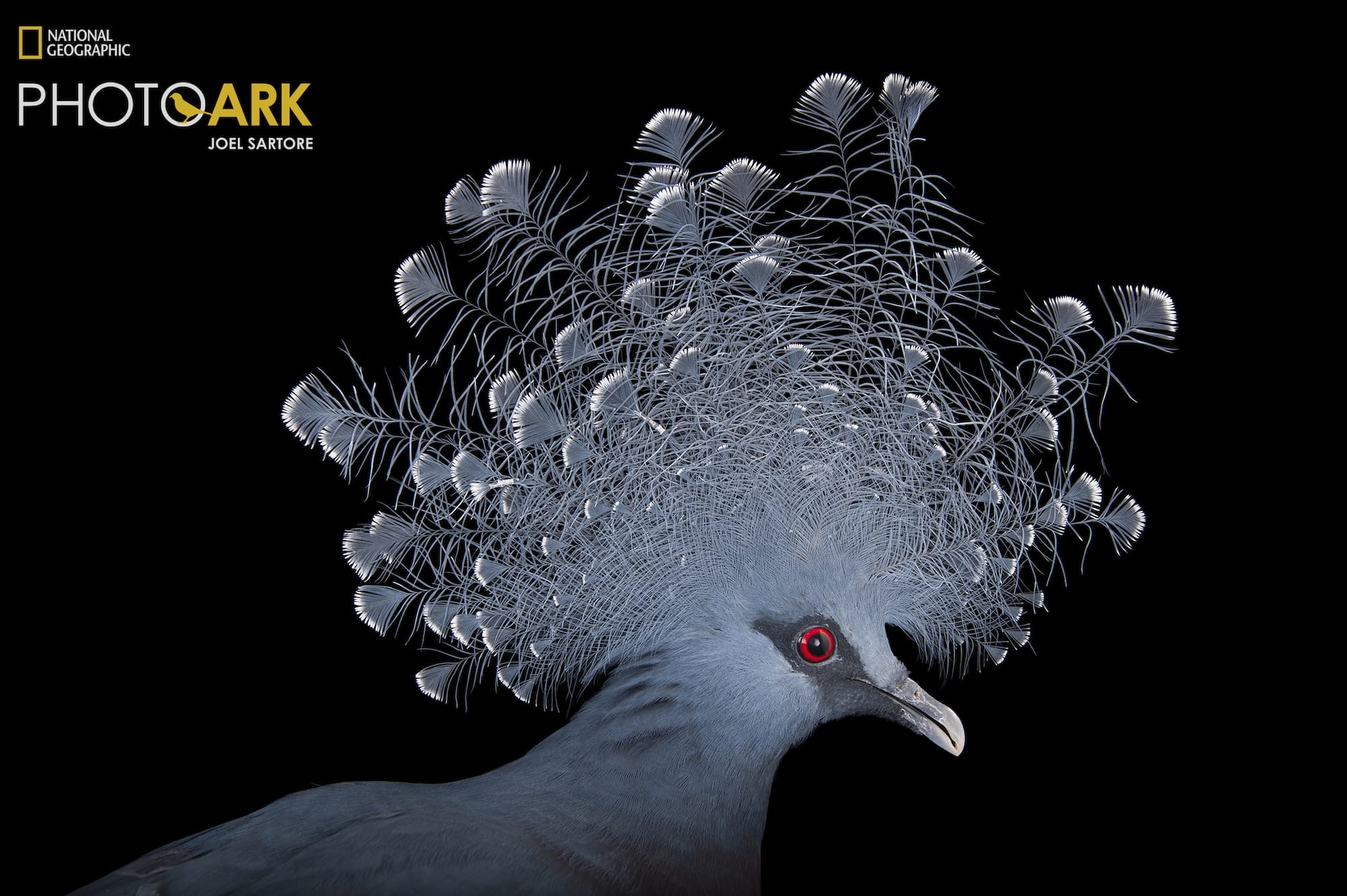
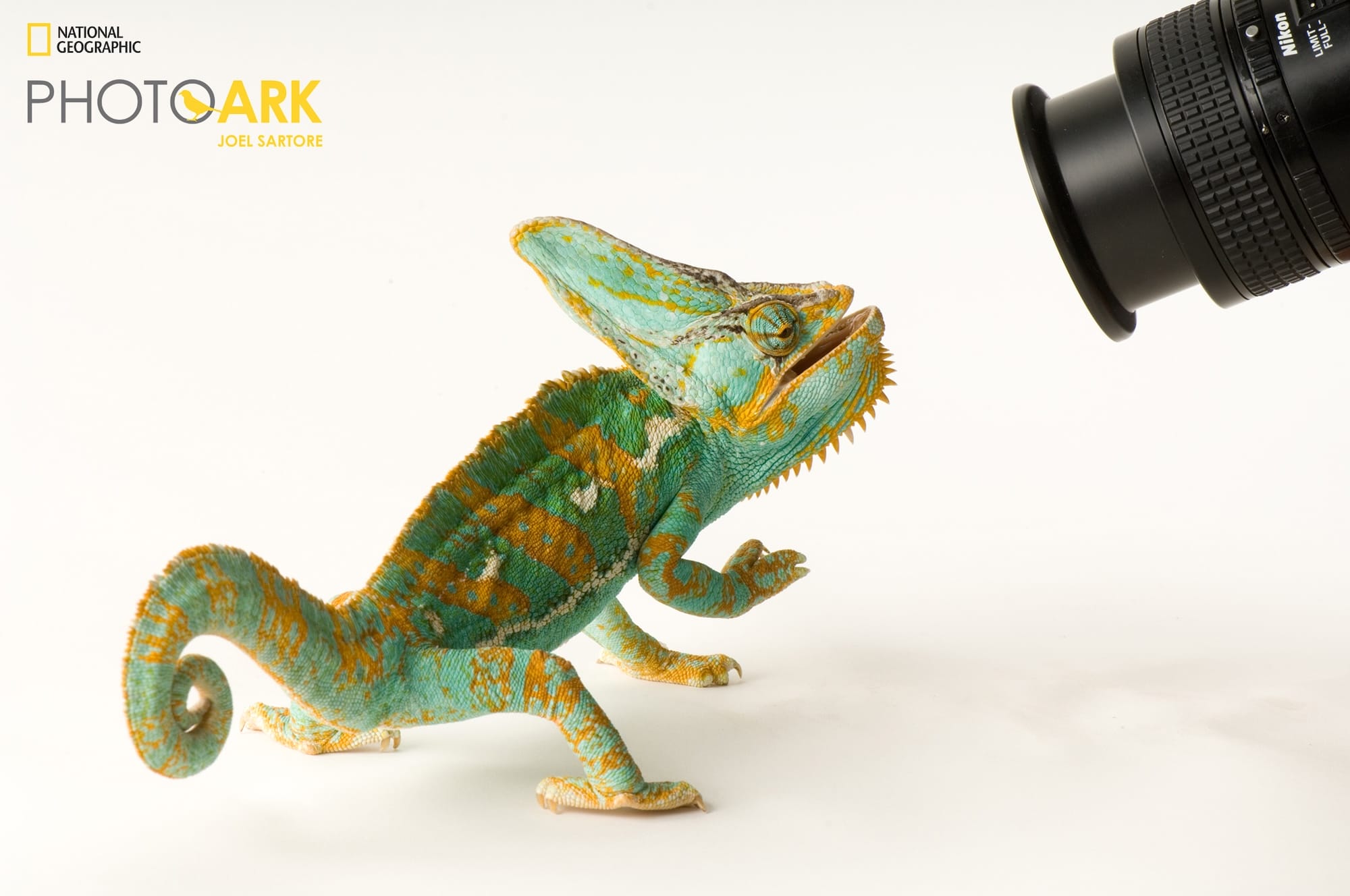
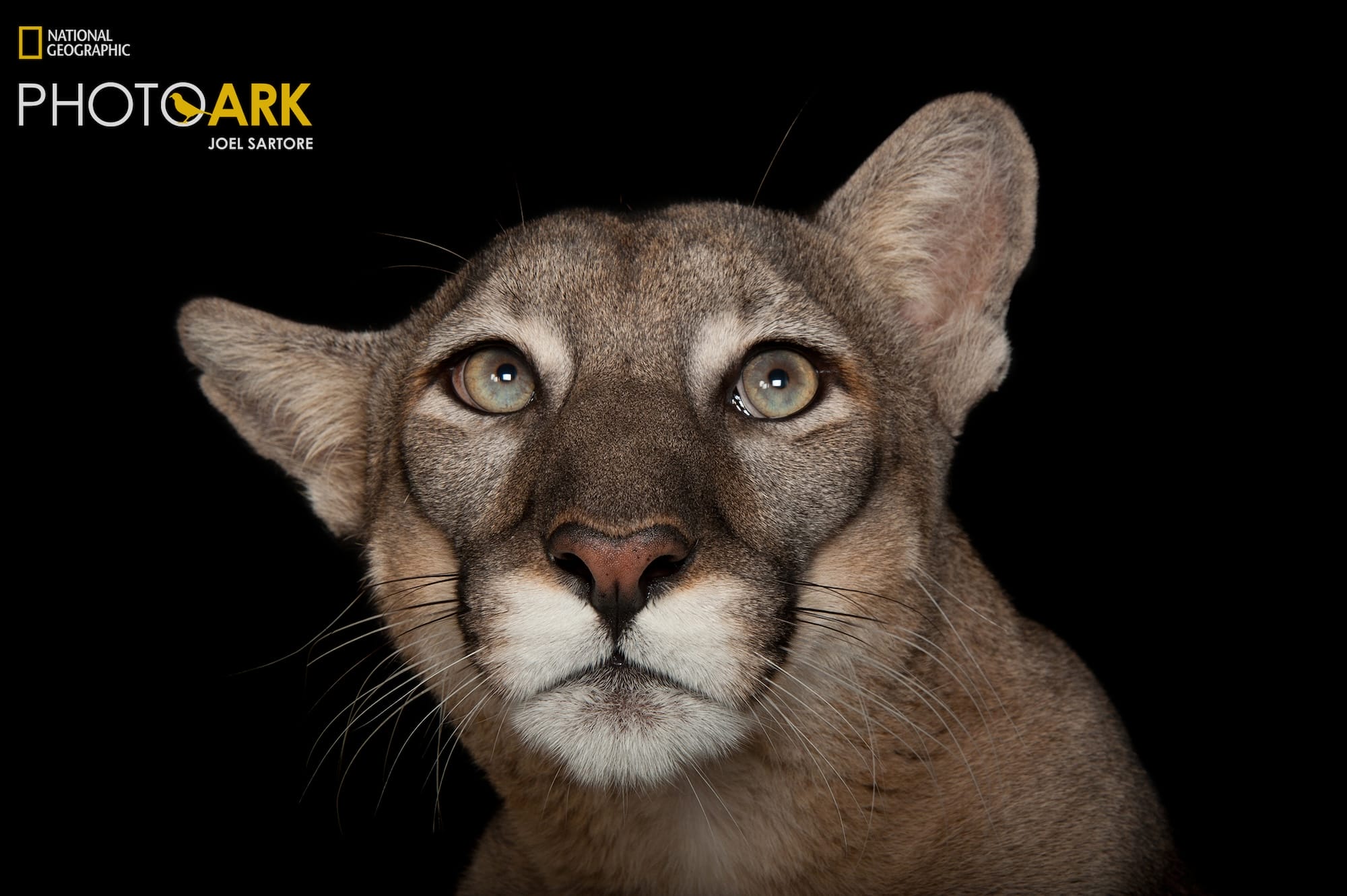
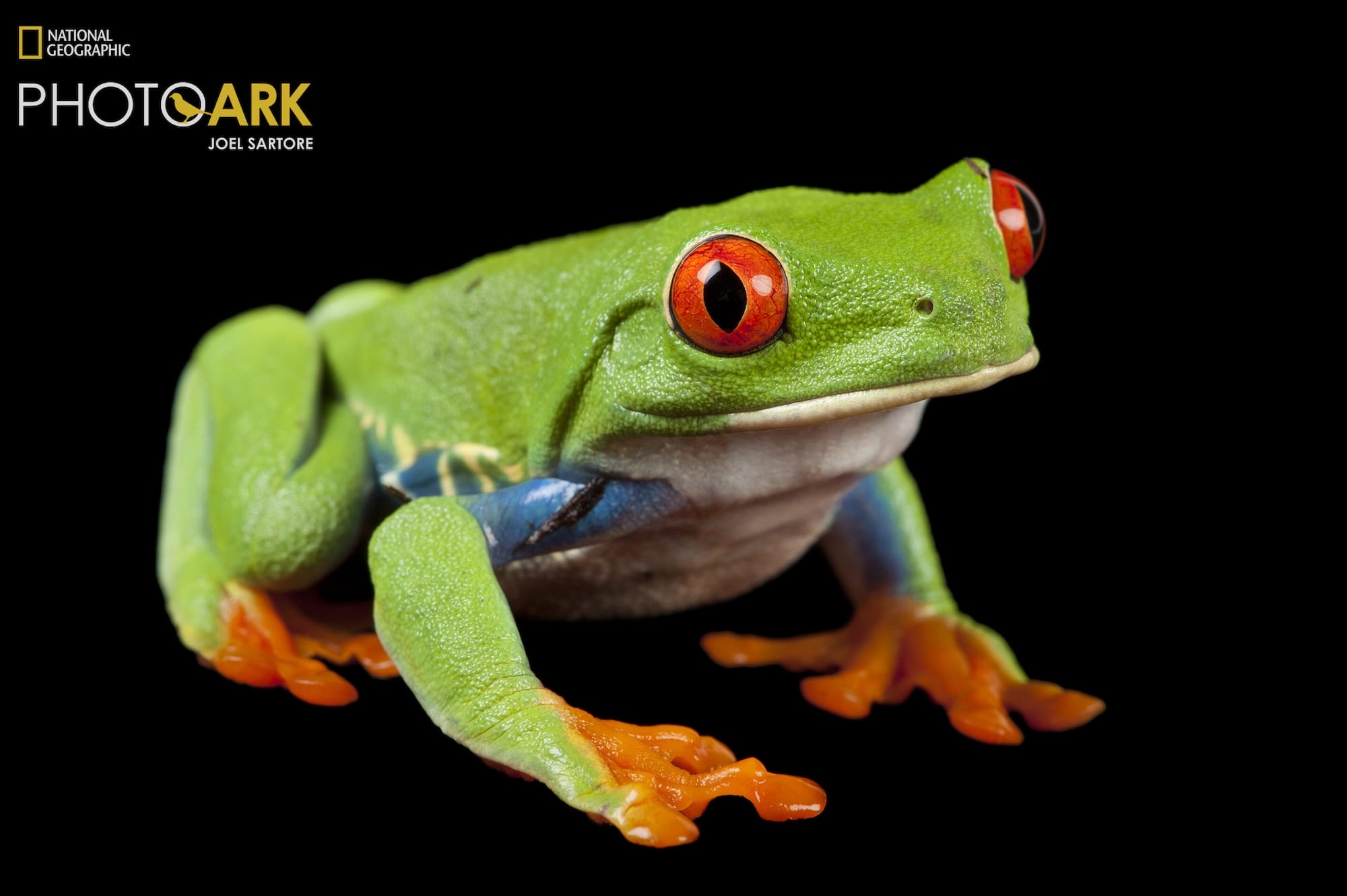
Sartore’s Photo Ark project illuminates animals against plain black or white backgrounds, highlighting their distinctive characteristics and expressions in an intimate and relatable format. “It’s the eye contact that moves people,” Sartore says. “It engages their feelings of compassion and a desire to help.”
Those feelings of care, ideally paired with the motivation to act, is what Photo Ark is all about. When Sartore began photographing animals in his hometown of Lincoln, Nebraska, in 2006, he recognized the power of bold, straightforward portraits to connect with viewers. The images not only introduce us to the incredible array of animals we coexist with, but spur efforts to protect them. Sartore says, “I want people to care, to fall in love, and to take action.”
In 2023, the Photo Ark Species Impact Initiative took things a step further by awarding conservationists grants to support their work. The project has also morphed into an all-ages educational initiative that National Geographic makes available in classrooms and through publications and broadcasts. “No matter its size, each animal is treated with the same amount of affection and respect,” National Geographic says. “The results are portraits that are not just stunningly beautiful, but also intimate and moving.”
Discover thousands of creatures on the Photo Ark site and learn how researchers are defending endangered and vulnerable species. You can also follow Sartore’s work on Instagram.