The Wildlife Photographer of the Year 2026 Winners Showcase Nature’s Power and Vulnerability
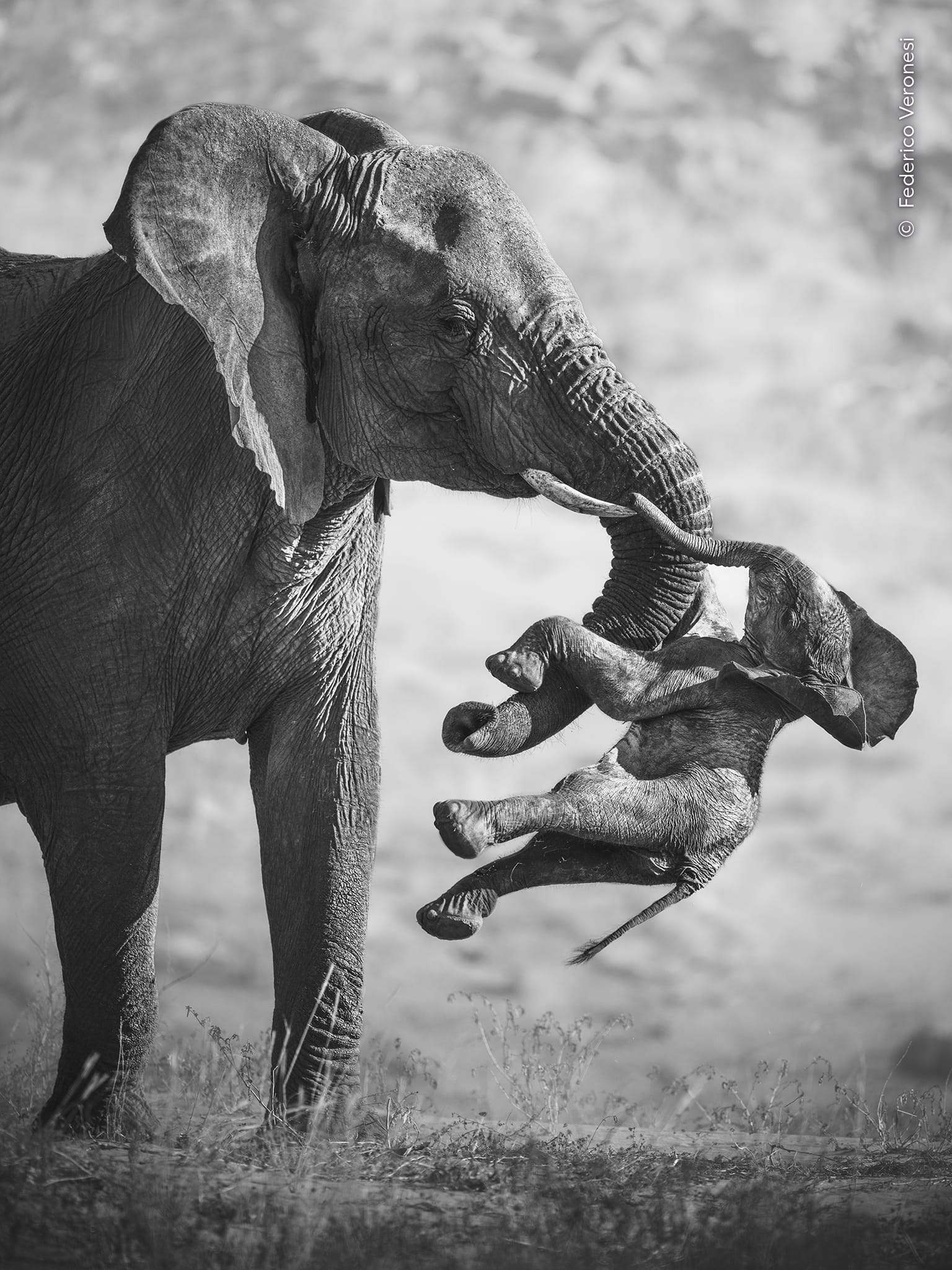
Federico Veronesi received the top honor of the 2026 Wildlife Photographer of the Year for his poignant black-and-white image of a female elephant carrying her deceased calf. The portrait represents a rare insight into animals’ habits we have yet to fully understand and demonstrates the power of timing and persistence in photography.
Veronesi had been tracking elephants in the Huab River Valley of Namibia when he encountered some unusual drag marks on the earth. He eventually caught up with the family, and the adult emerged with the calf’s leg wedged between her trunk and tusk. “Behaviours centering on death have been observed in both Asian and African elephants, including vocalisations, guarding the dead, inspecting and handling bones, and carrying the deceased,” a statement says. “Some researchers suggest these behaviours could indicate an elephant’s journey to understanding death, while others interpret these actions as possible displays of grief.”
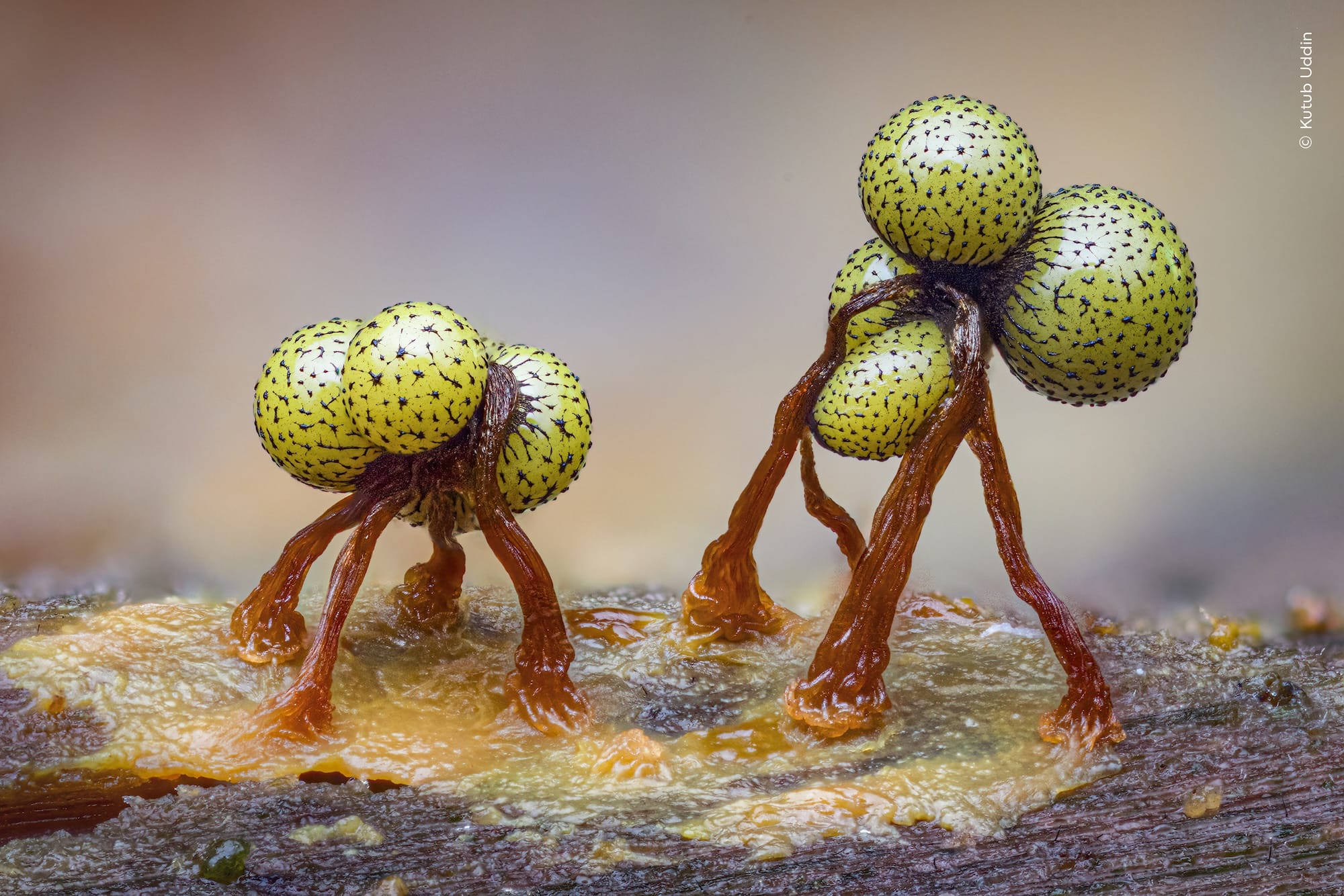
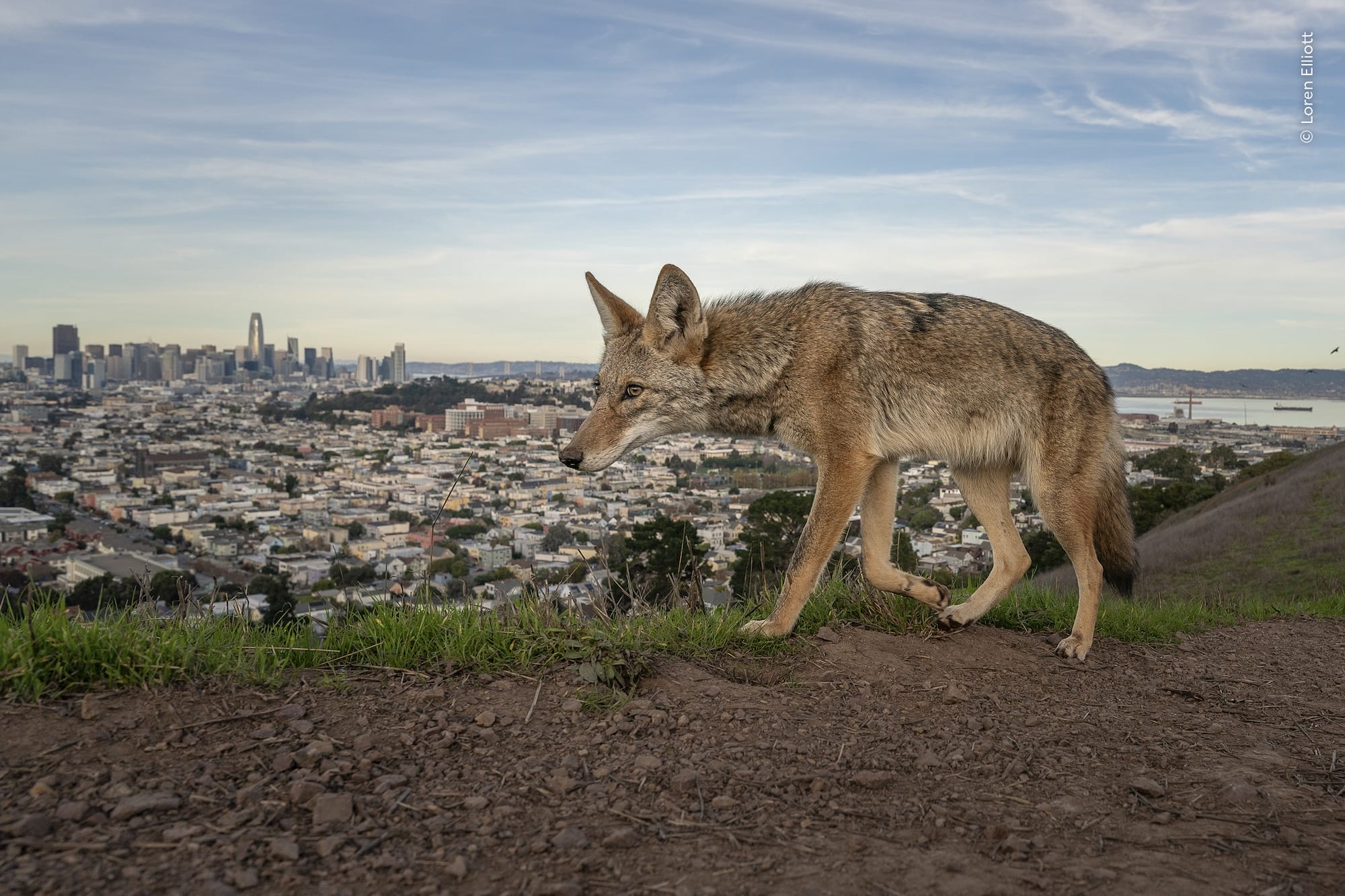
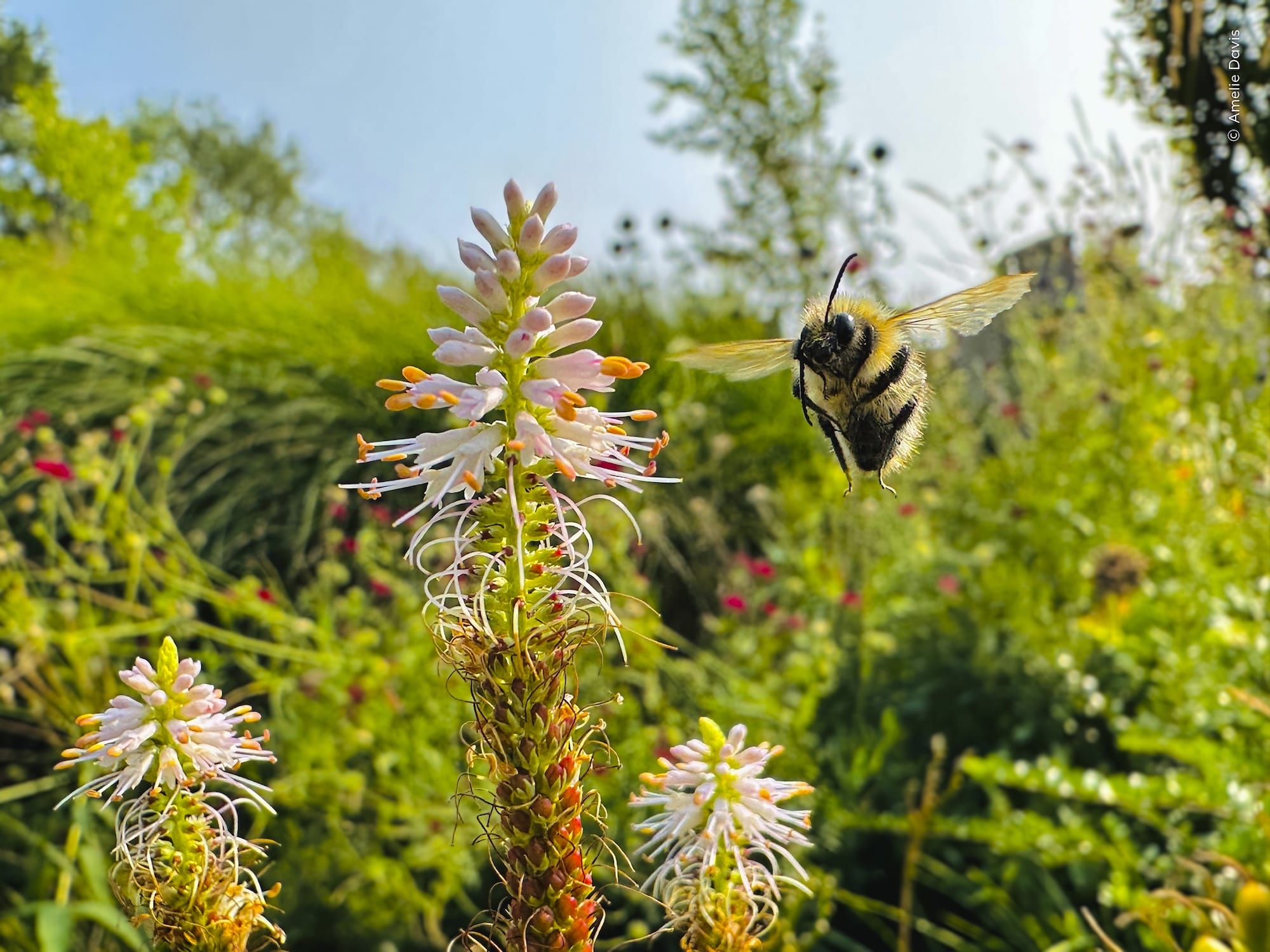
Additional winners include Kutub Uddin’s capture of elegant slime molds, Loren Elliott’s portfolio featuring the coyotes of San Francisco, and Amelie Davis’ portrait of a bee coming in for a landing on a flower in Surrey, England, in the 10 and Under category. “This year’s winning photographs demonstrate the extraordinary power of wildlife photography to help us see nature differently,” says Dr. Doug Gurr, Director of the Natural History Museum. “Together they remind us that every species plays a role in the complex web of life, and why understanding and protecting the natural world has never been more important.”
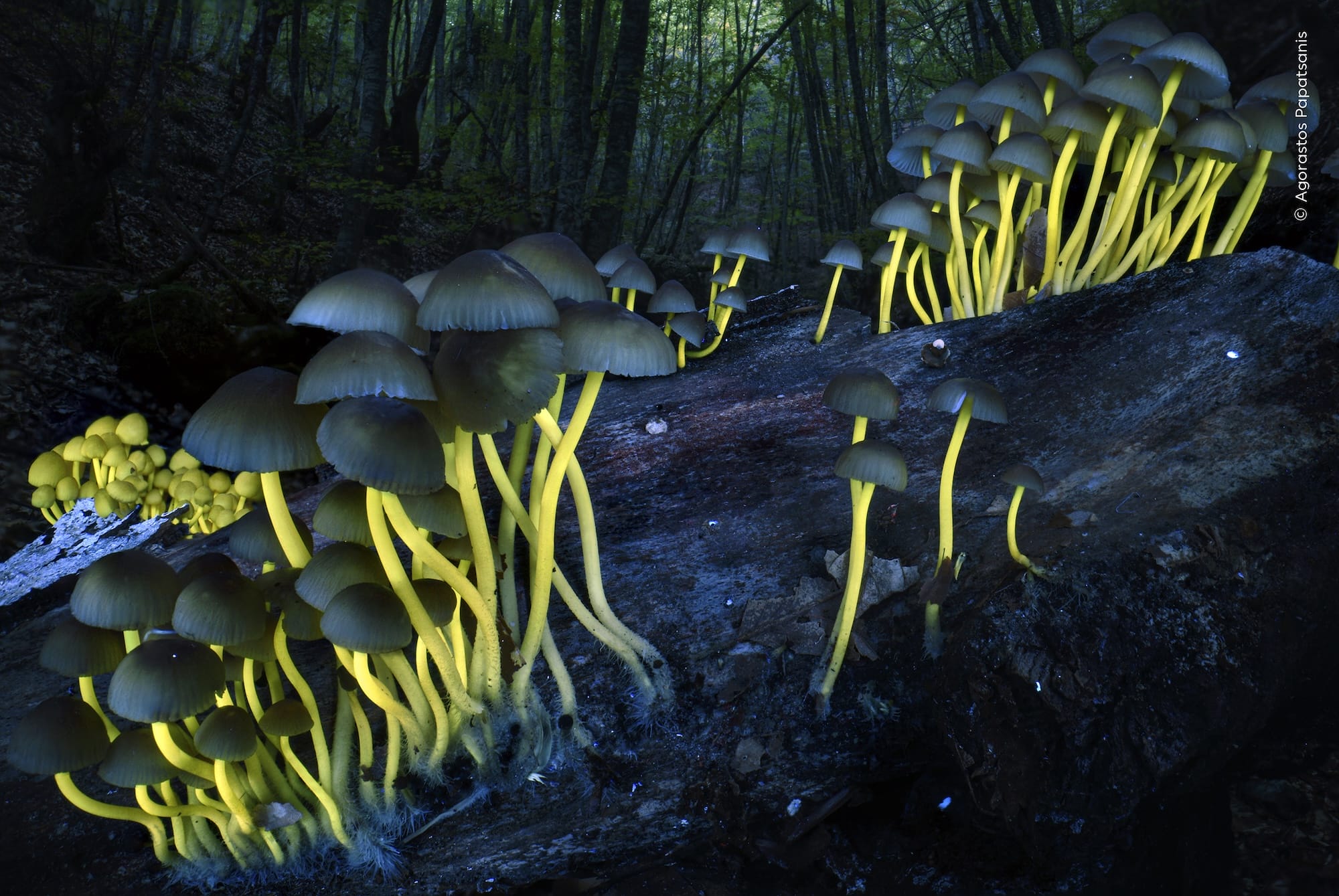
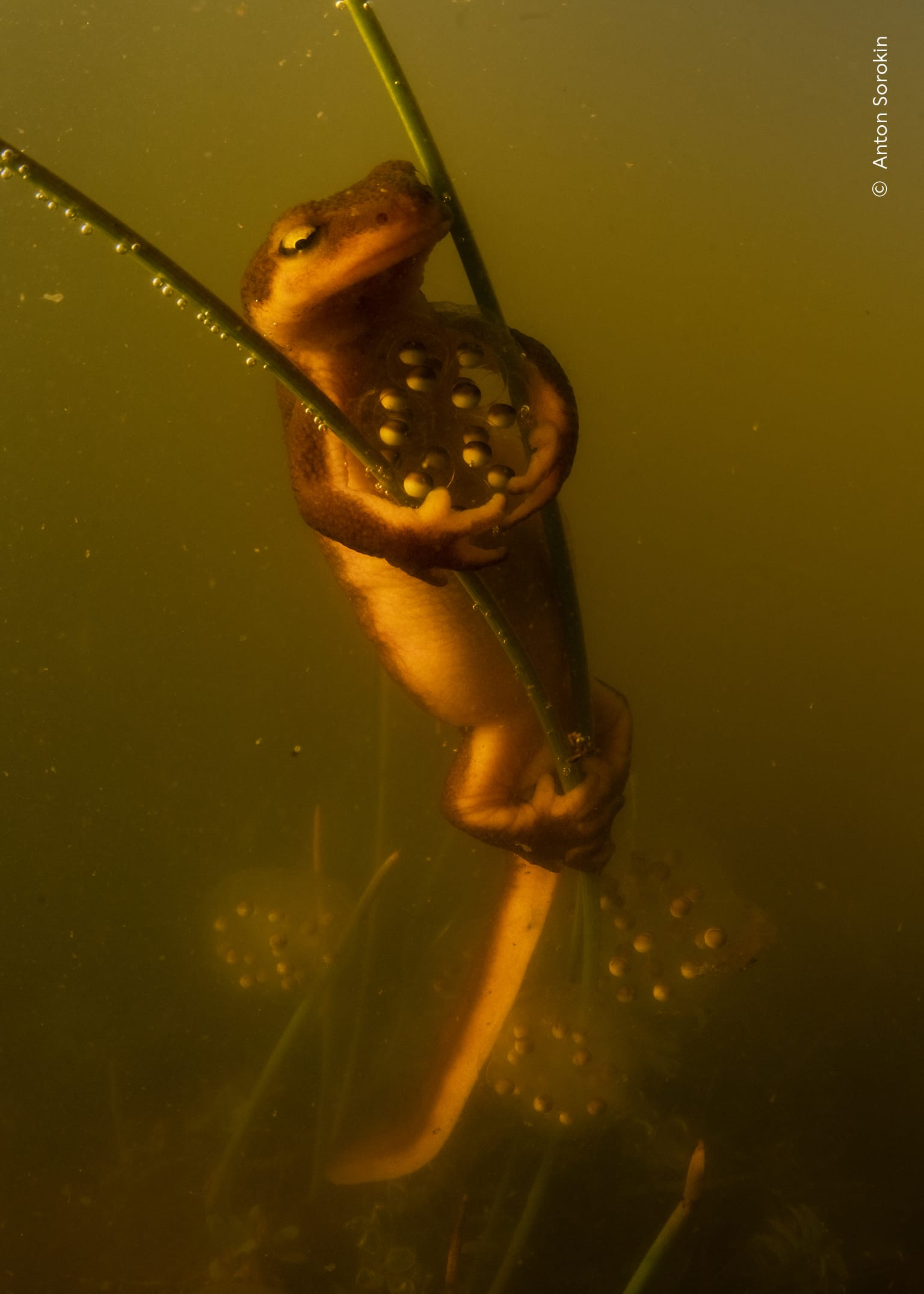
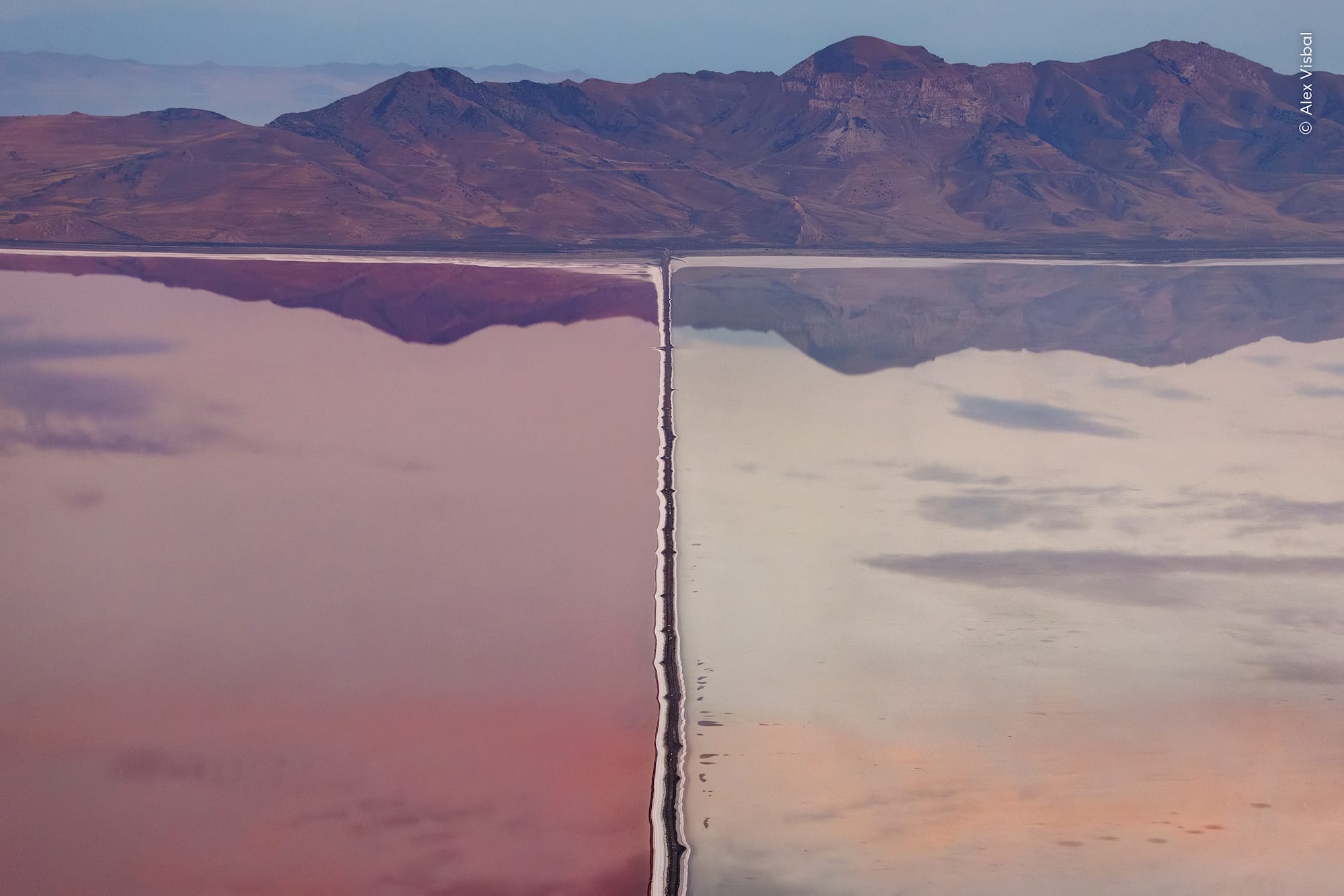
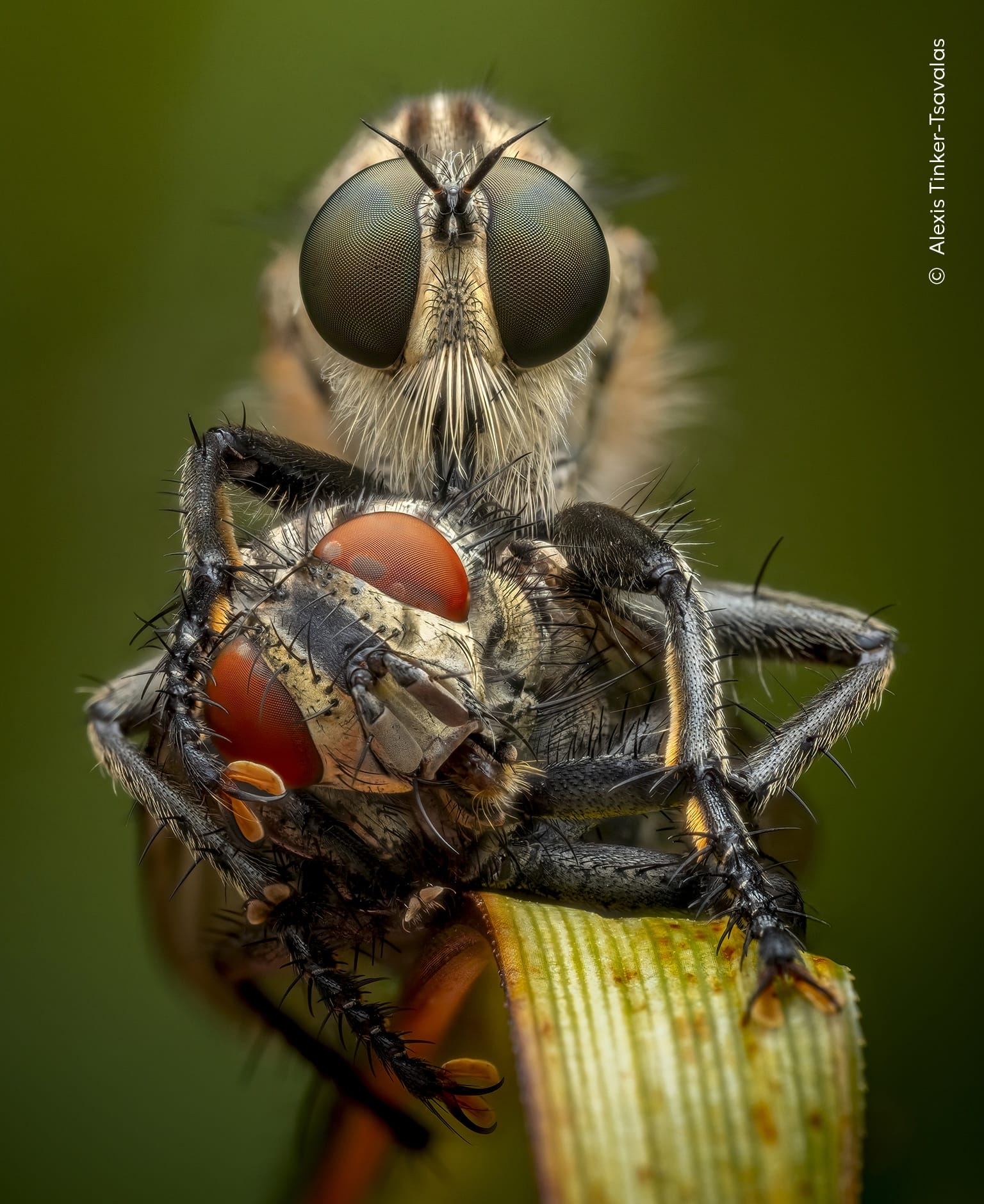
At 65,403 entries from photographers in 121 countries, this year’s competition saw the largest turnout of submissions in its 62-year history. Categories run the gamut of photojournalism, wetlands, plants and fungi, behavior, portfolios, youth categories, and more. The 100 top images from this year’s contest go on view tomorrow, October 16, at the Natural History Museum in London, where they’ll be exhibited through July 11, 2027.