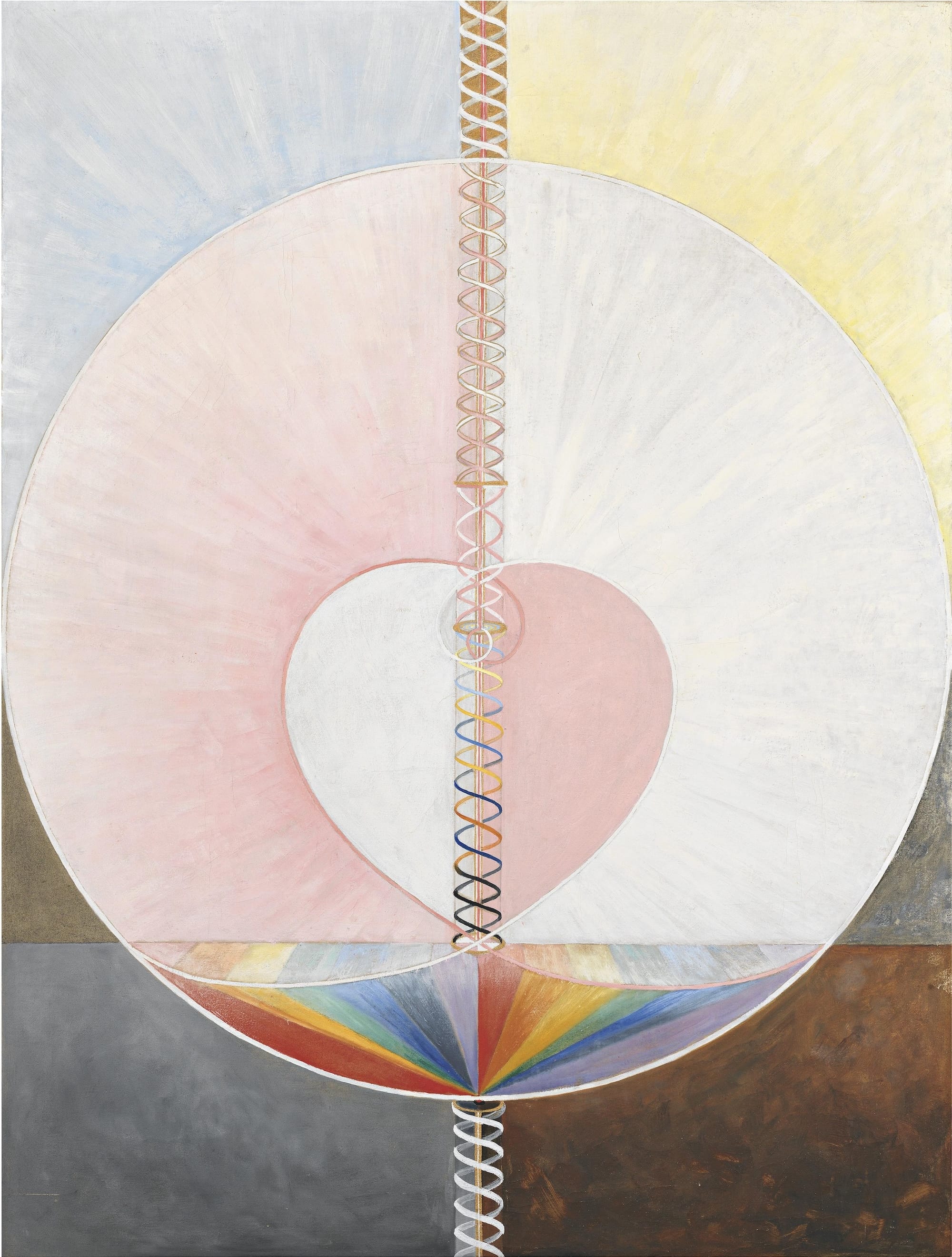
‘Arcana Borealis’ Summons the Power of Spirituality and Artist Communities
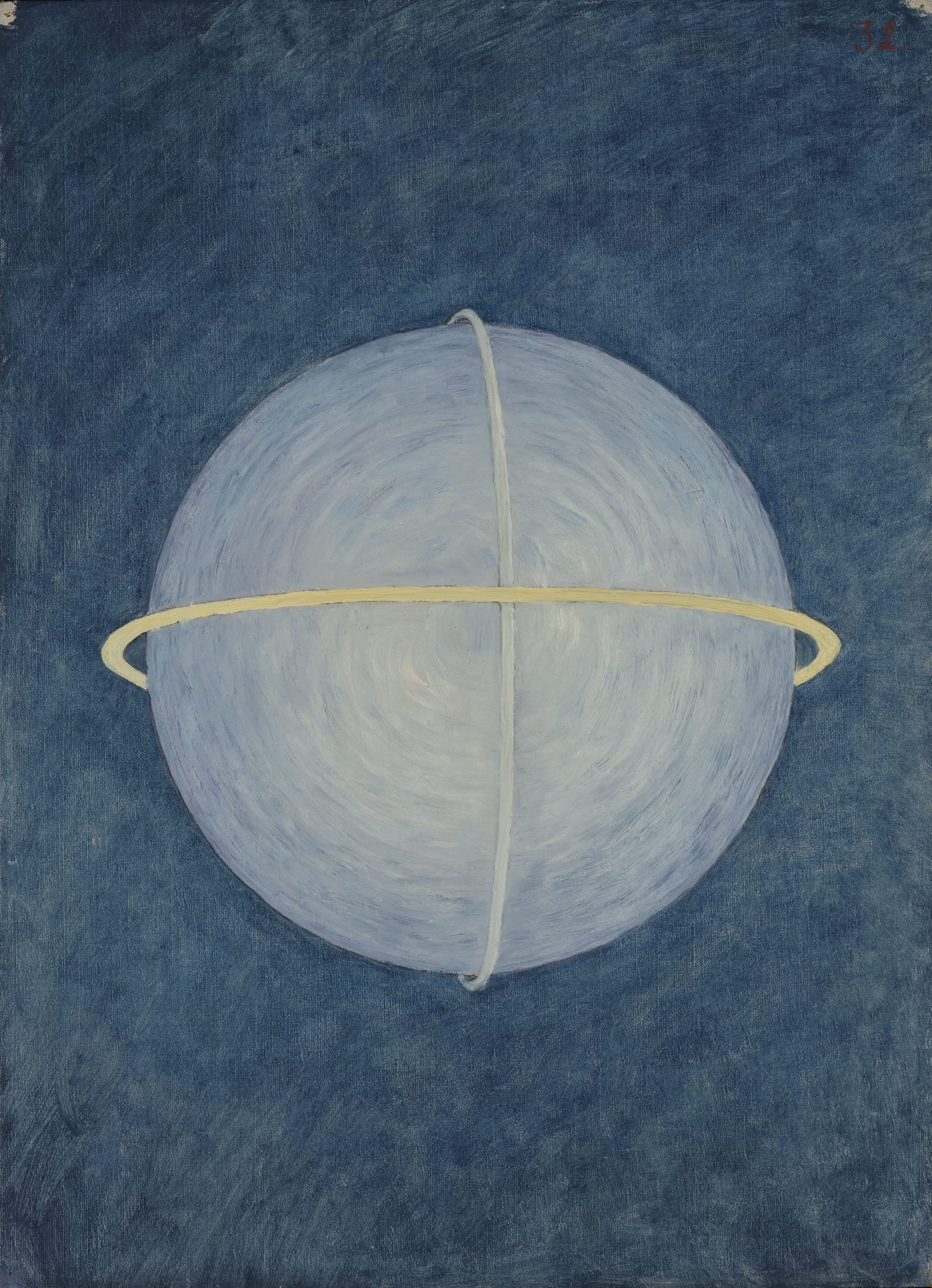
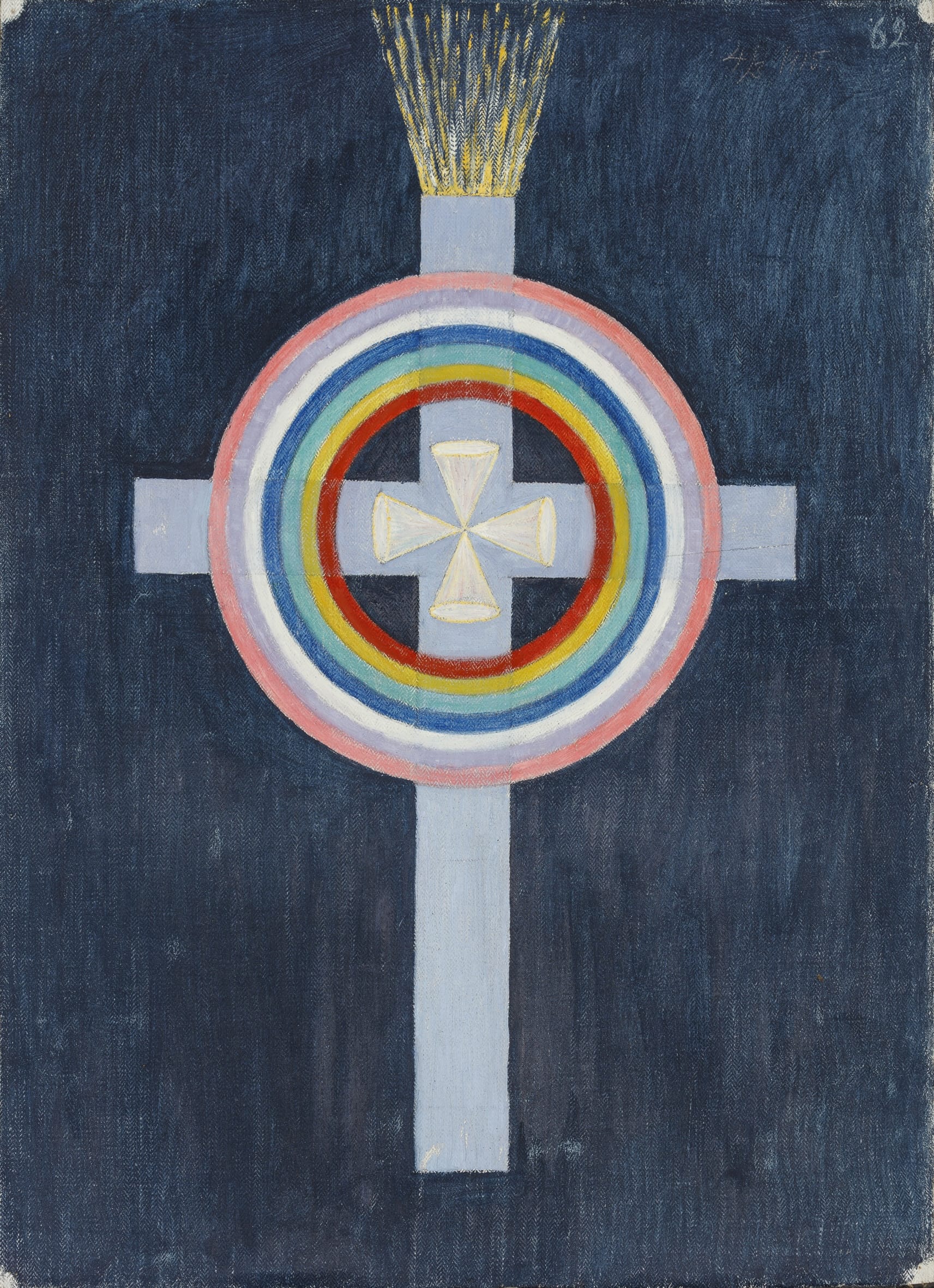
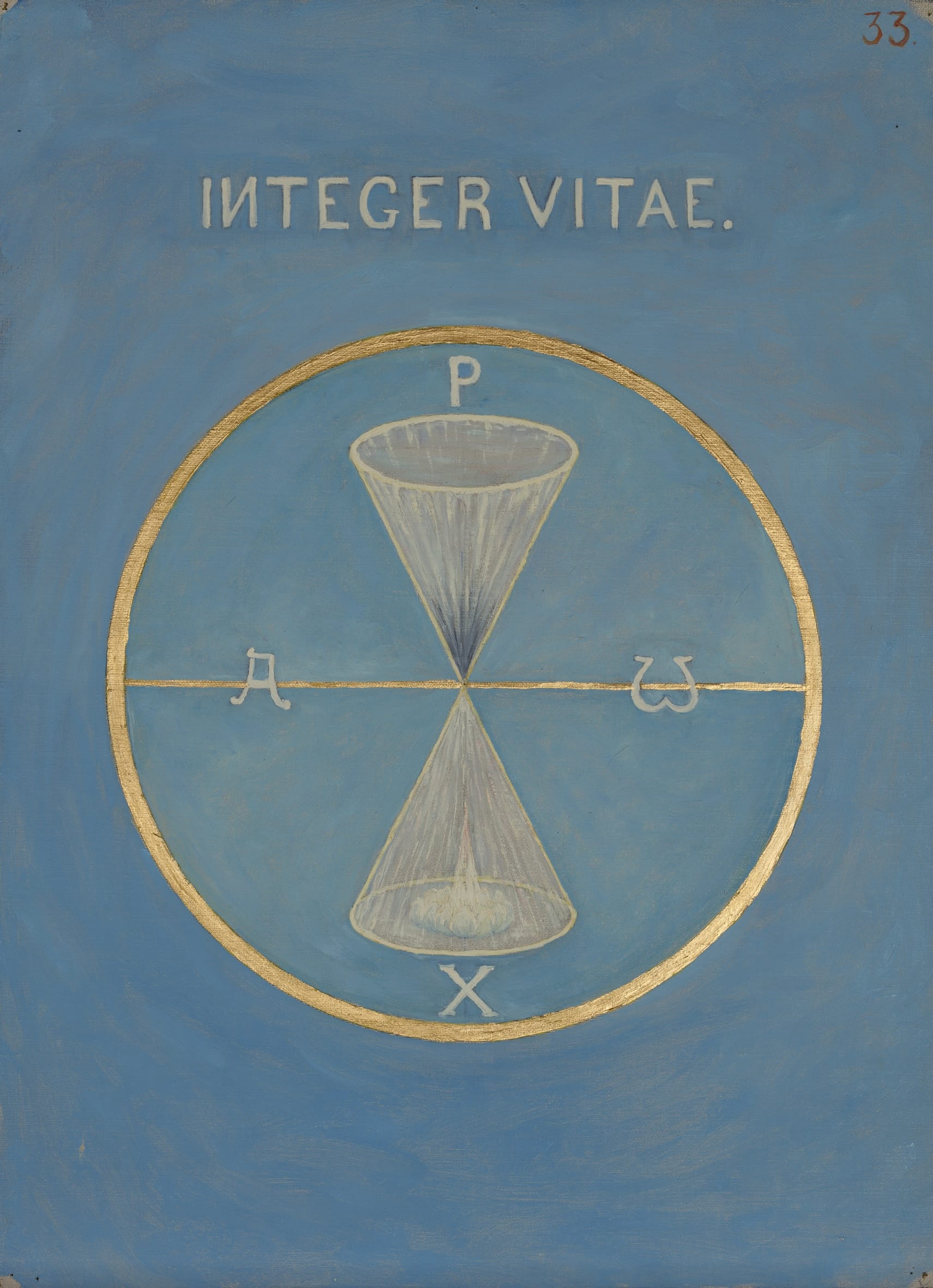
Around 1906, Hilma af Klint was living in Stockholm, where she kept a studio. Deeply engaged with Christian esotericism, she channeled her mystic visions into a series of otherworldly paintings that art historians acknowledge to be the first known abstract works in the canon, a paradigm shift in 20th-century art that had previously been credited to Wassily Kandinsky starting around 1910.
What continues to awe us today about af Klint’s works is she didn’t view her vibrant paintings strictly as artworks, but as a result of spiritual channeling. Their production also coincided with a period of incredible scientific discovery. Nikola Tesla had just developed the alternating current (AC) electricity system, plus generated the first radio transmissions, when he then used to create a remote control. And 1905 was Einstein’s “miracle year” with the publication of his seminal theory of relativity.
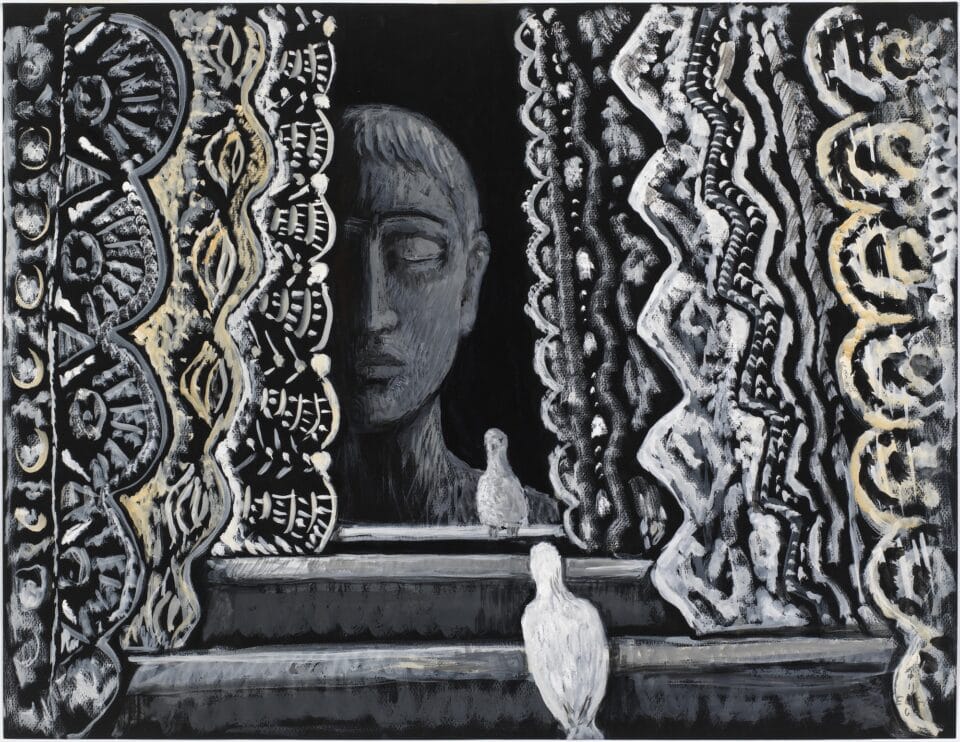
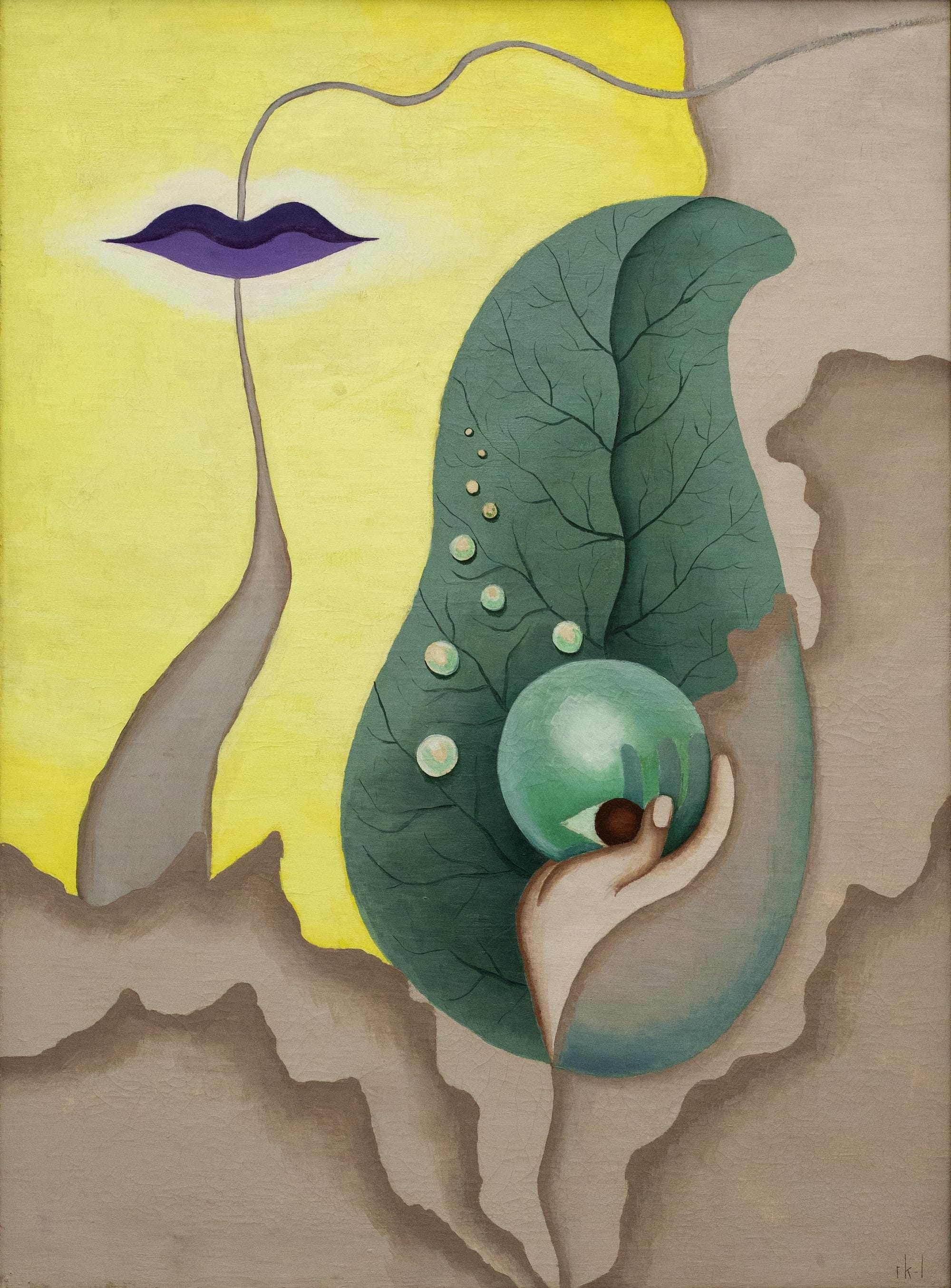
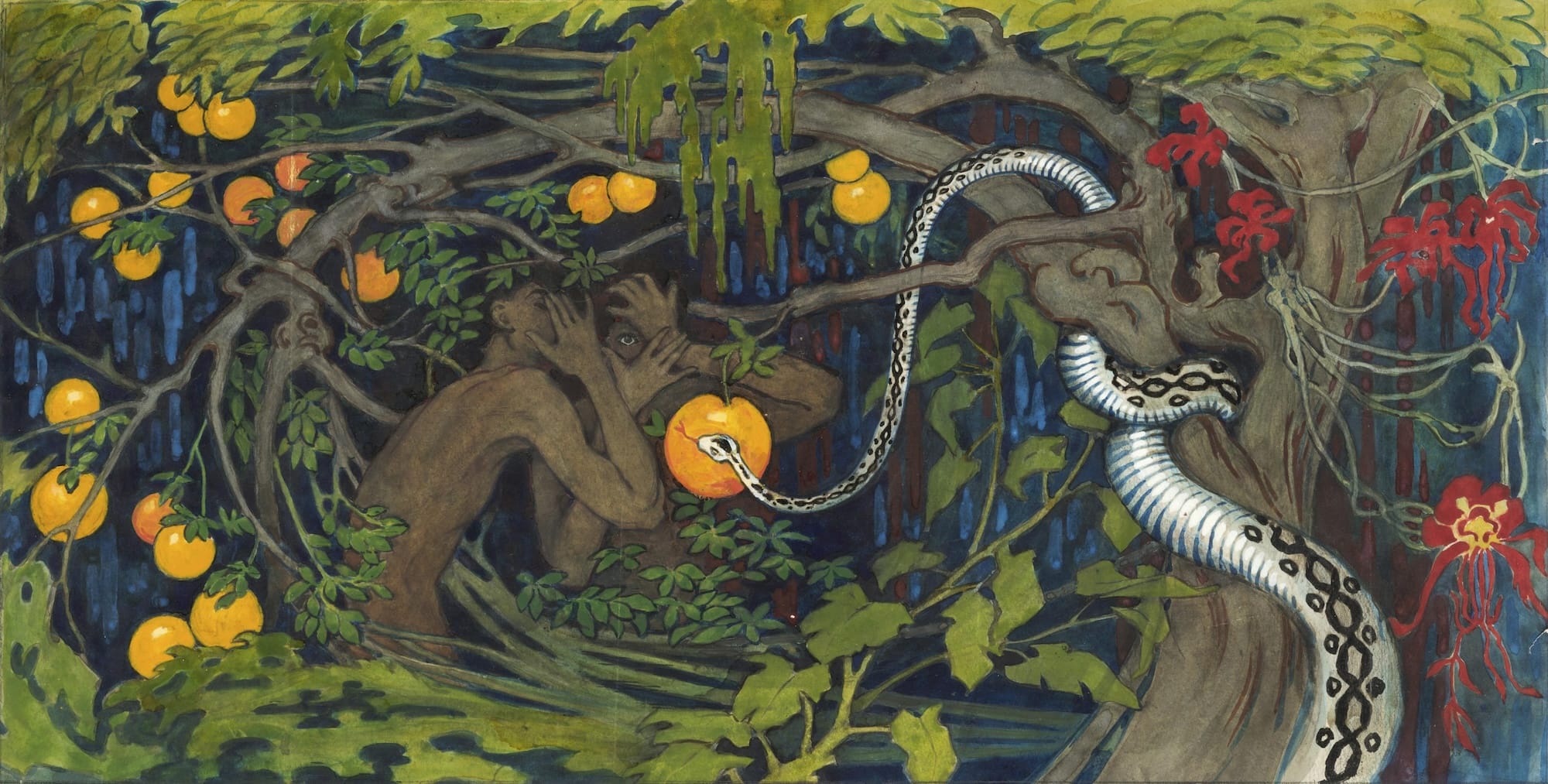
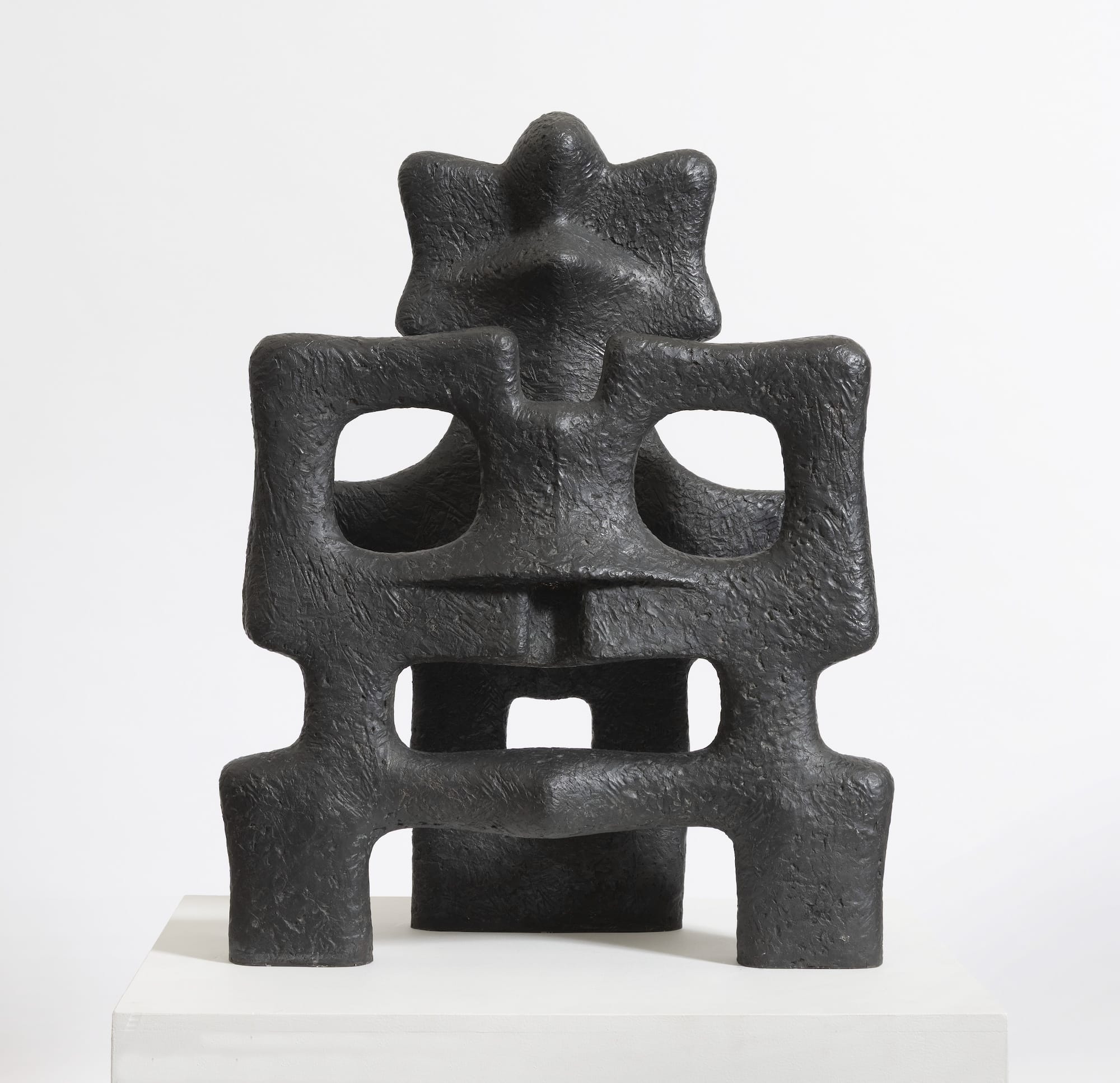
A major exhibition titled Arcana Borealis—Northern Women and Esotericism deep-dives into the history of modern art through the lens of women artists working at the intersection of spirituality and esotericism. Opening soon at the Atenium Art Museum, part of the Finnish National Gallery, the show also explores the nature of artistic networks. In all, the exhibition gathers more than 200 works by 50 artists to broaden perspectives on women’s creative practices guided by belief systems, ecology, and the imagination.
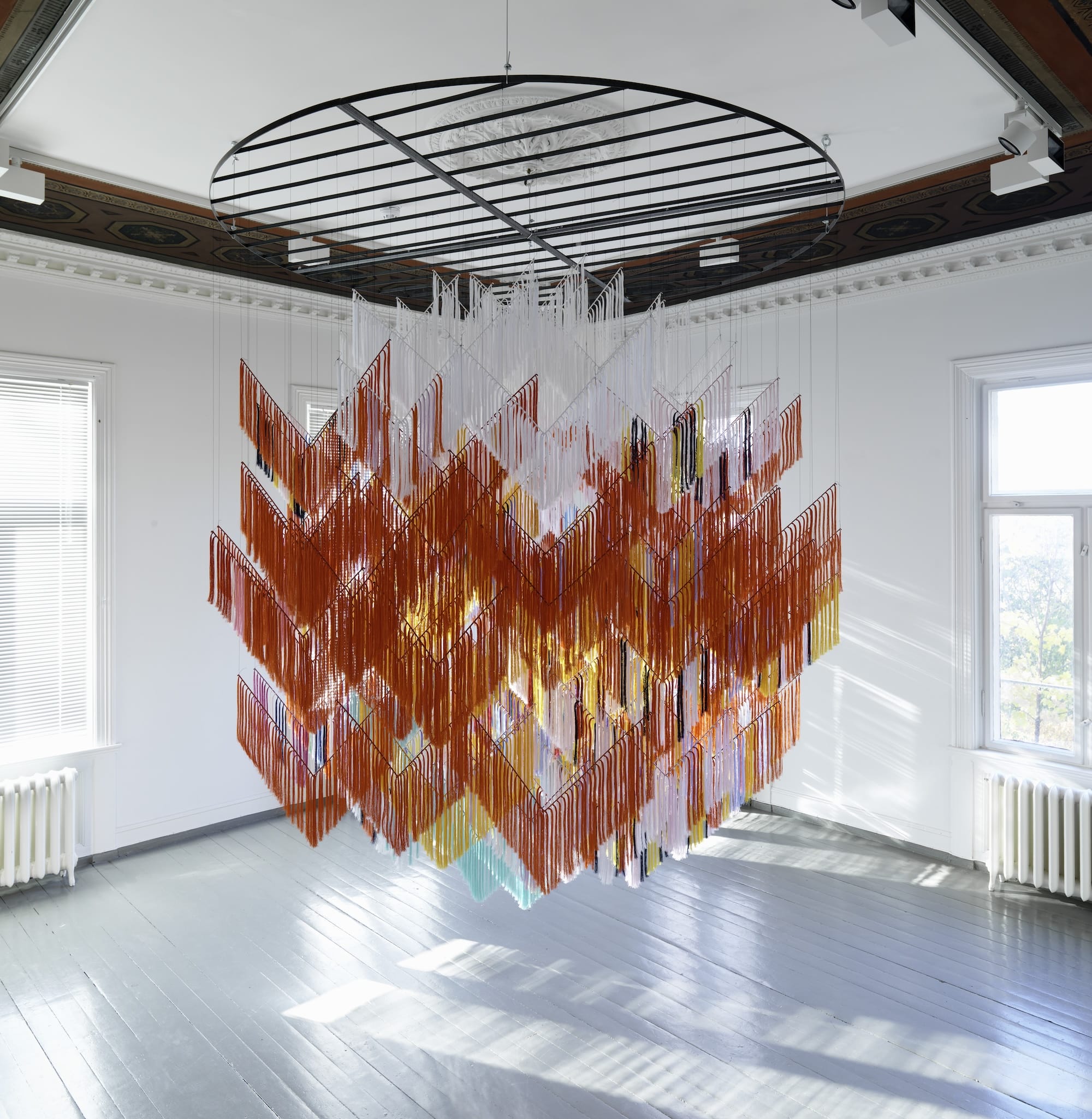
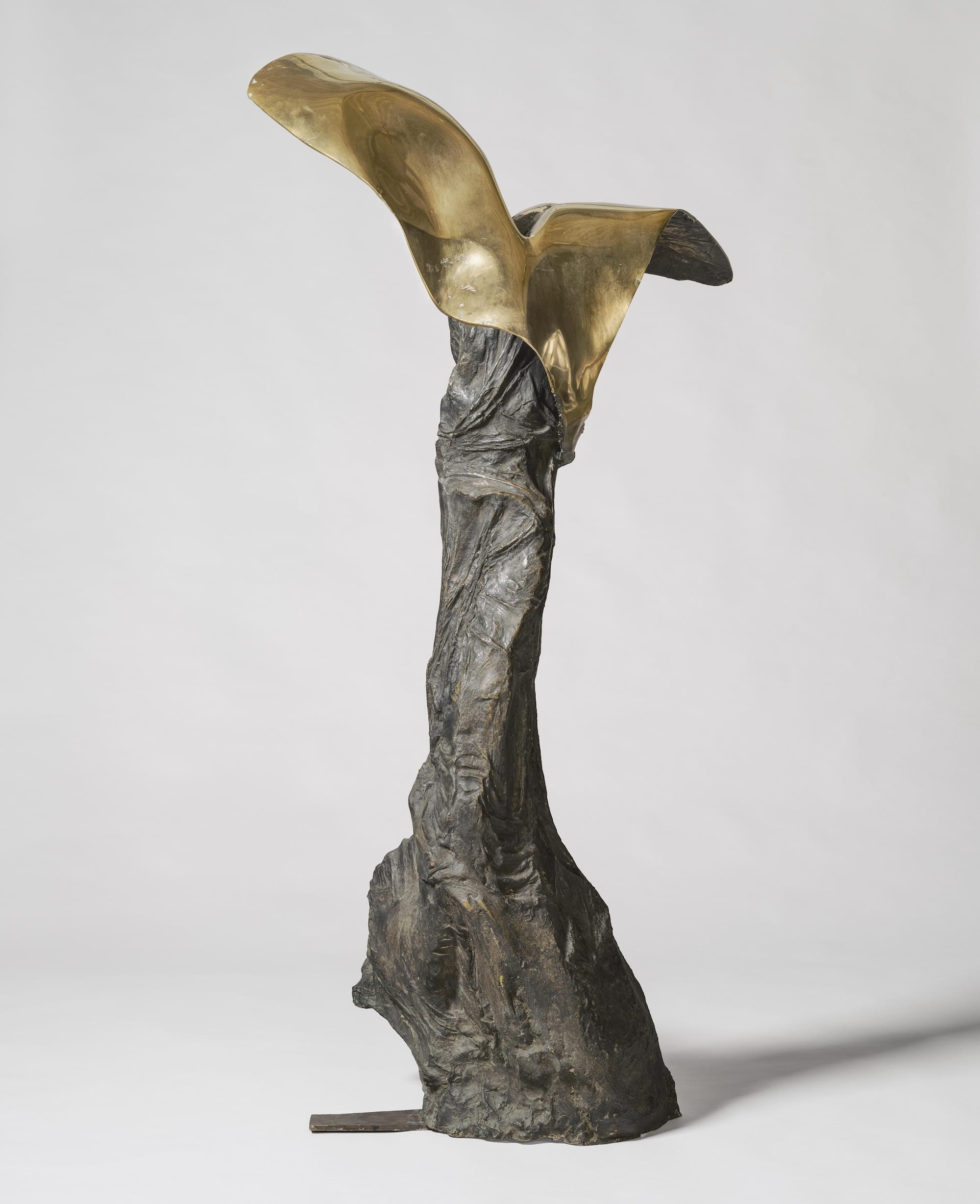
Arcana Borealis features notable pieces by early 20th-century artists like af Klint and Anna Cassel alongside Anna-Eva Bergman, Maja Fjaestad, Sonja Ferlov Mancoba, and contemporary artist Outi Pieski. Visitors will encounter paintings, sculpture, textiles, stained glass, video, and much more that curators Dr. Nina Kokkinen and Dr. Marja Lahelma conceive as a challenge to “art historical narratives that have privileged the myth of the lone artistic genius,” the museum says. Instead, Arcana Borealis highlights how collaboration and spiritual communities shape the artists’ practices.
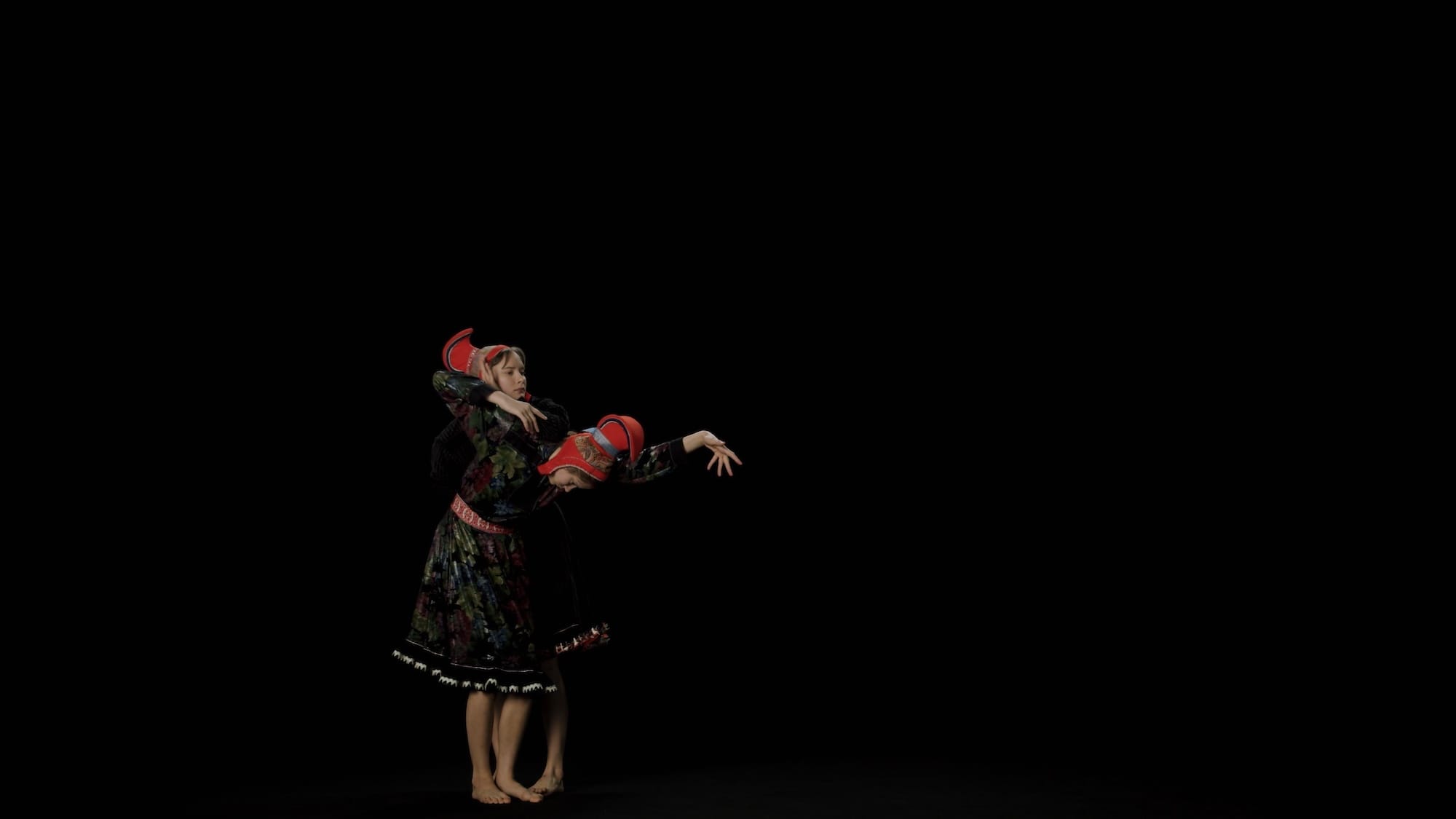
Cassel and af Klint worked together, for example, as part of what became known as The Five, a group of Stockholm-based women who explored spiritual realms through séances and meditation. Collaboration also comes to the fore in Pieski’s performance titled “Guhte gullá / Here to Hear.”
Pieski collaborated with dancers and choreographers Biret and Gáddjá Haarla Pieski, drawing on their Sámi heritage and incorporating vibrant clothing in a nod to traditional garments. The Sámi are an Indigenous people in predominantly the northern regions of Norway, Sweden, and Finland, and performance speaks to the trauma inflicted by state-sponsored assimilation programs and discrimination going back centuries.
The exhibition takes its title from the Latin arcana, meaning “hidden knowledge,” and borealis, meaning “the north.” The show “approaches ‘the North’ as a cross-border cultural and imaginative space shaped by mythology and spiritual traditions,” the museum says. “It traces how artists across Finland, Sweden, Denmark, Norway, Iceland, and Sápmi turned to esotericism, alternative cosmologies, meditation and mediumistic practices to explore questions of existence, creativity, and belonging.”
Arcana Borealis opens on October 23 and continues through February 28, 2027, in Helsinki. You might also enjoy navigating into the arcane through Taschen’s Tarot, part of the publisher’s Library of Esoterica series.