‘The Sacred Ordinary’ Shines a Light on Heritage in Birmingham’s Civil Rights District
In the second stanza of “How to Be a Poet,” Wendell Berry wrote: “There are no unsacred places; / there are only sacred places / and desecrated places.” When it comes to preserving important historical locations, such as monuments, parks, and buildings, a new interactive public art installation asks, “what happens when preservation itself is endangered?”
The Sacred Ordinary is an initiative organized by 1504, a production studio based in Birmingham that emphasizes in-depth storytelling to connect people with meaningful, human-focused services and experiences. The participatory artwork is presented in collaboration with the National Parks Conservation Association, which aims to protect U.S. national parks for future generations.
In early 2025, President Trump issued an executive order that mandated the removal of some National Park Service signage relating to slavery, the LGBTQ+ community, climate change, and more, a move that erases histories inextricable from the nation’s identity. (The current administration has also blocked millions in funding for numerous parks and disrupted services.)
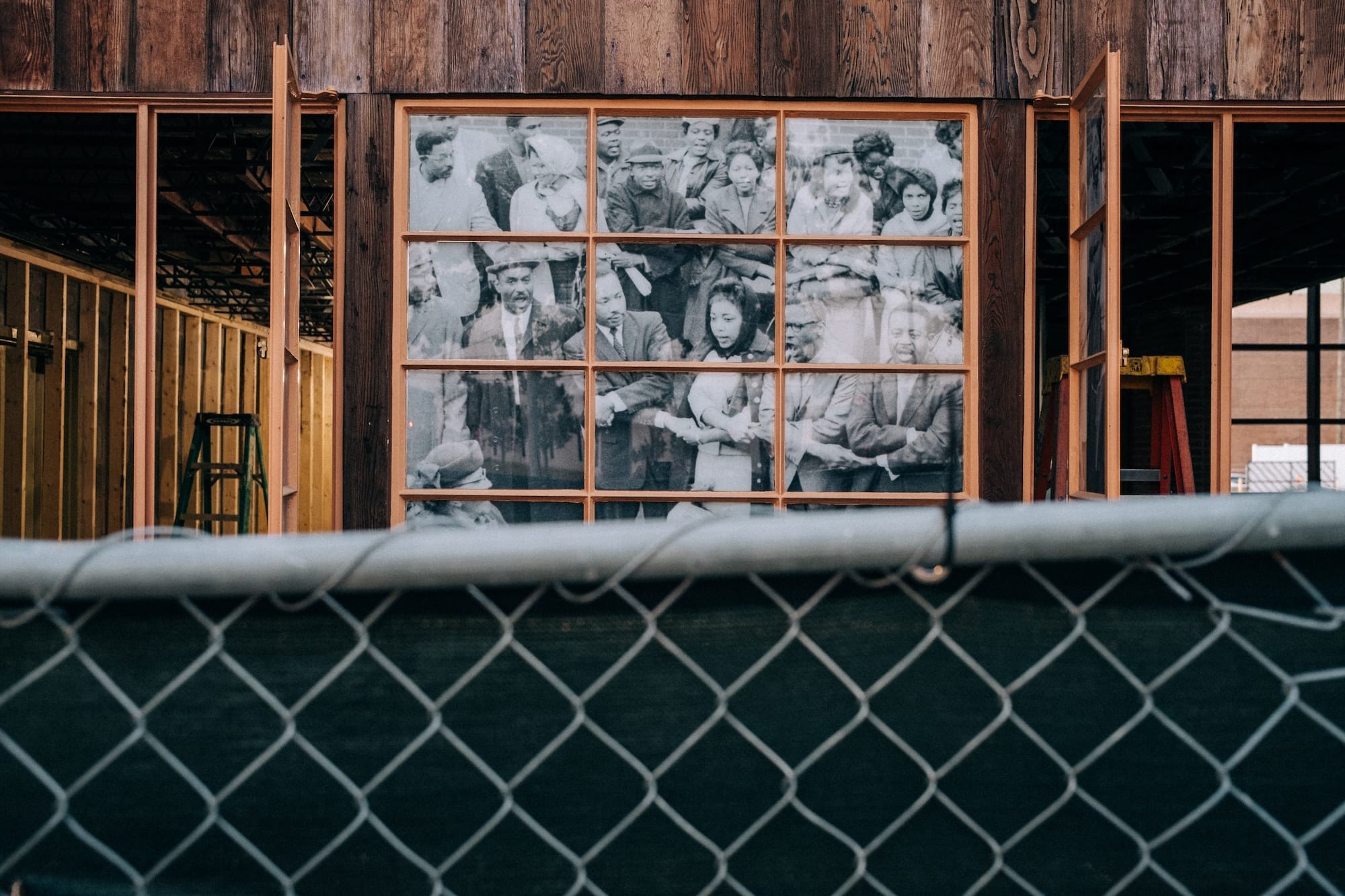
In Birmingham, the Civil Rights District is formally designated a national monument, comprising neighborhoods that Black people historically called home and where Jim Crow laws authorized segregation until the 1960s. The Civil Rights Movement reached a nexus here when activists Fred Shuttlesworth, Martin Luther King, Jr., and Ralph Abernathy, among many others, organized nonviolent marches in 1963, known today as the Birmingham Campaign. Police turned their dogs on demonstrators and used fire hoses on children. A bombing at a Baptist church killed four young Black girls.
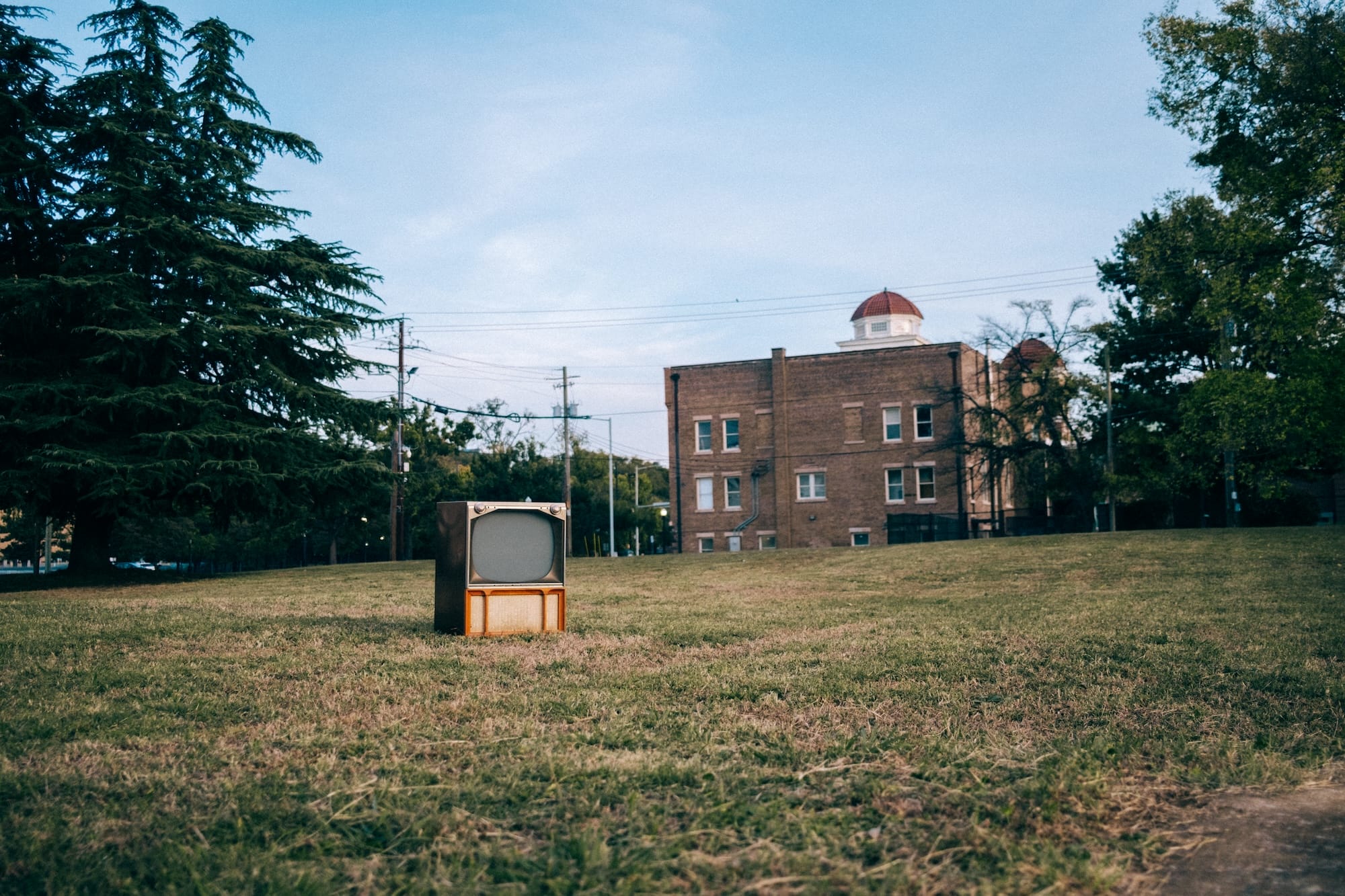
The Sacred Ordinary venerates access to things most of us take for granted: the ability to shop at any store, attend the nearest school, walk around any neighborhood, and sit at the front of the bus. The exhibition is installed around-the-clock, but by day, elements of the installation comprise vintage yet mundane objects that one typically walks by without giving a second thought.
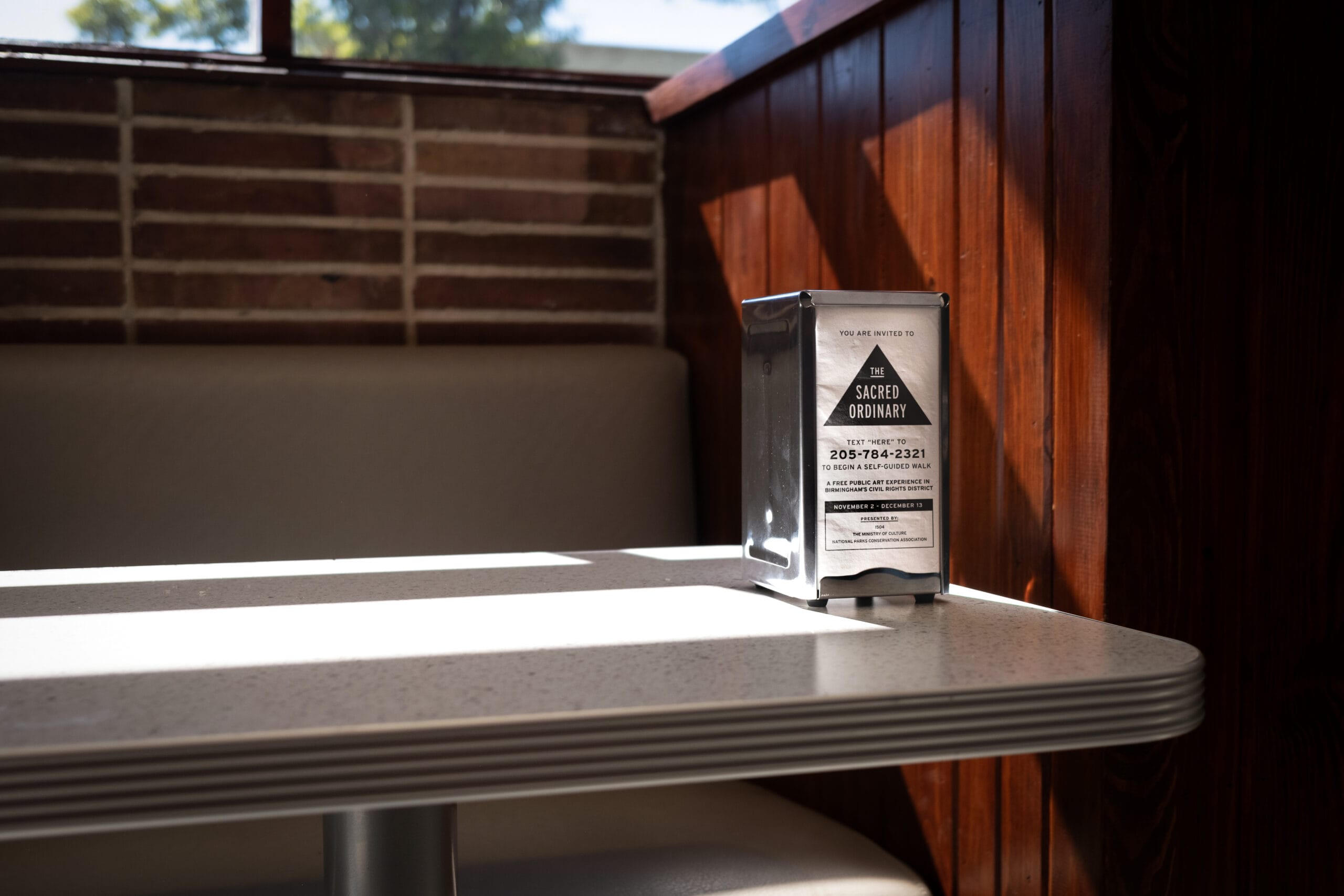
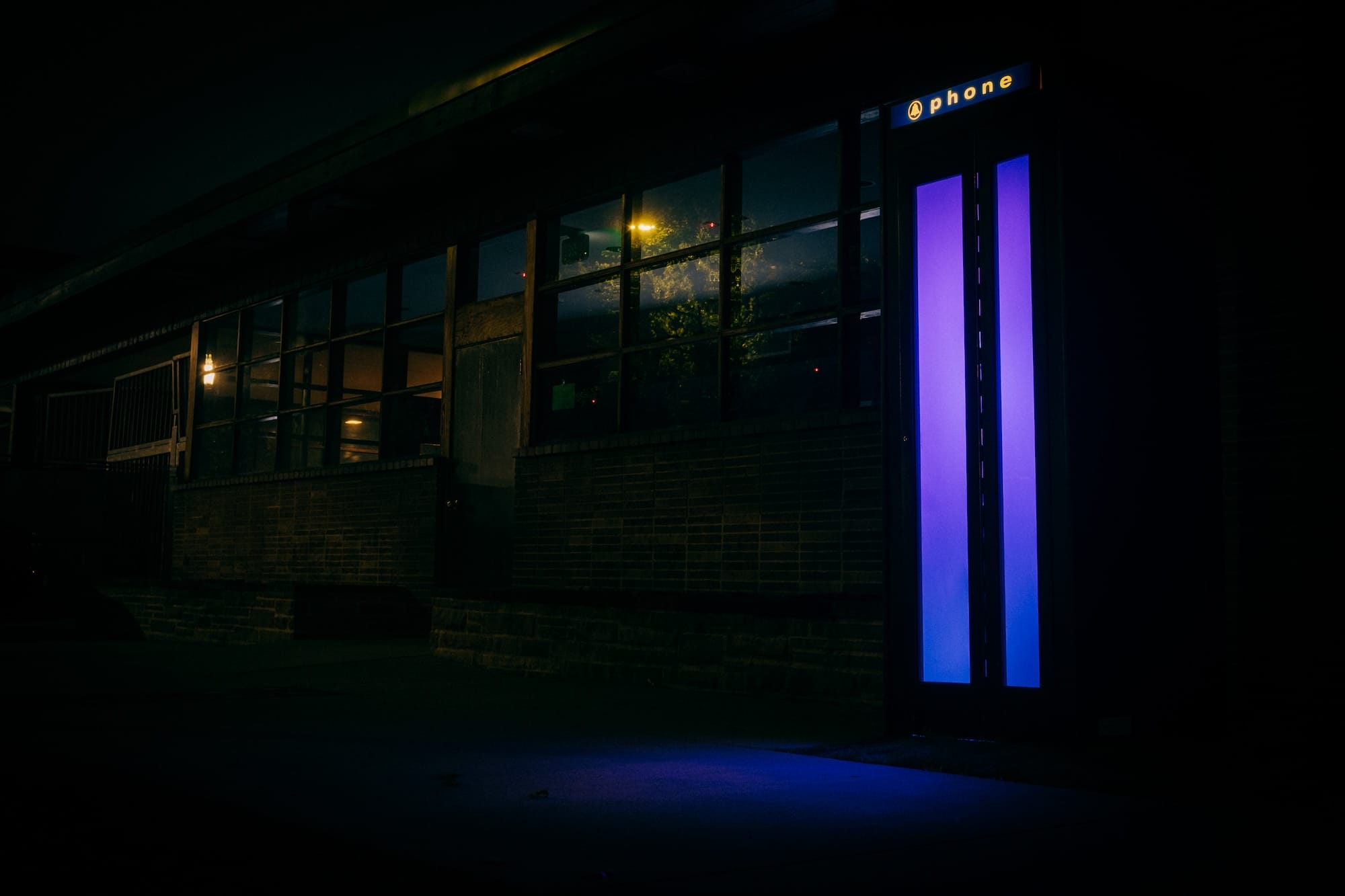
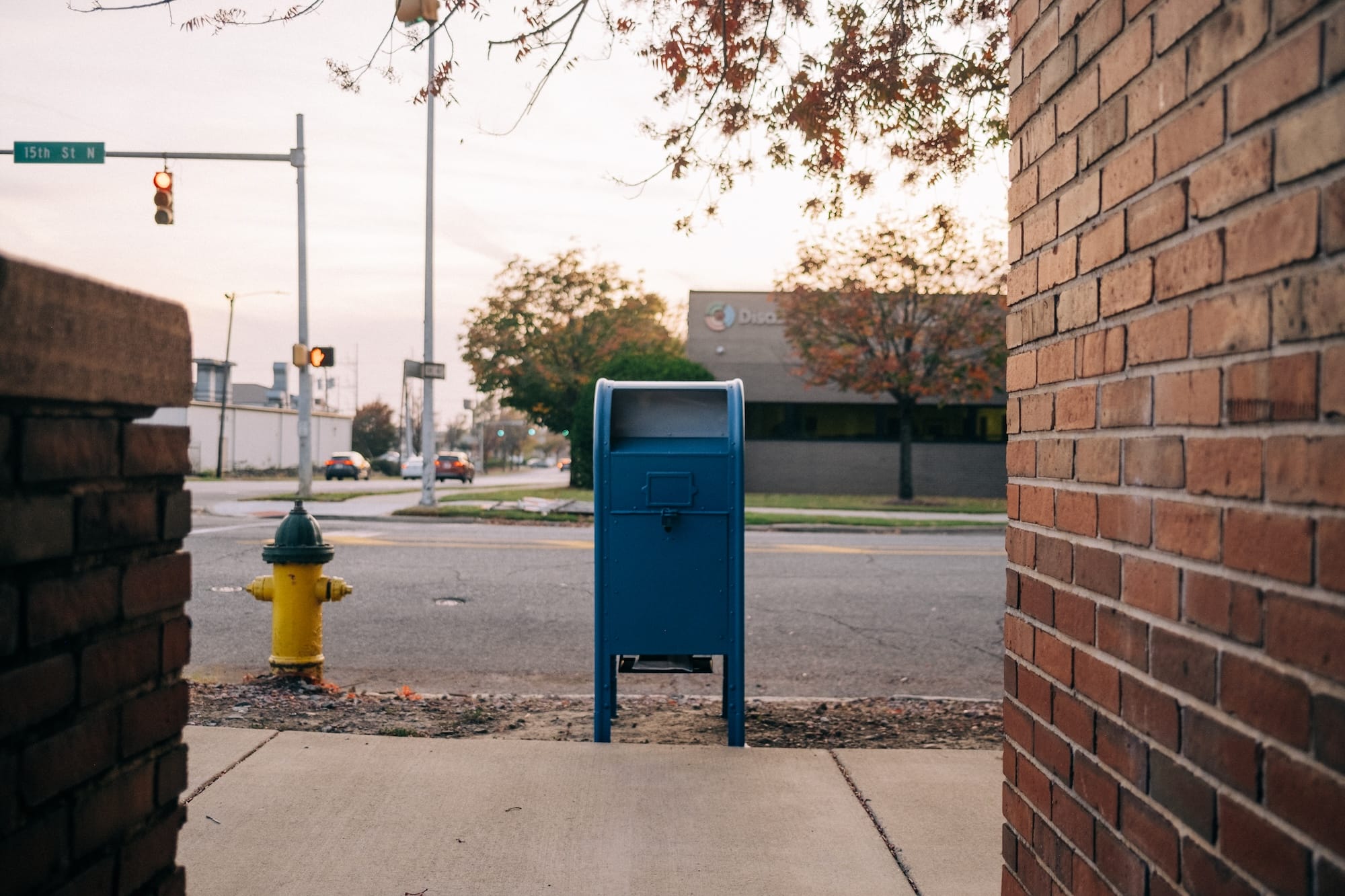
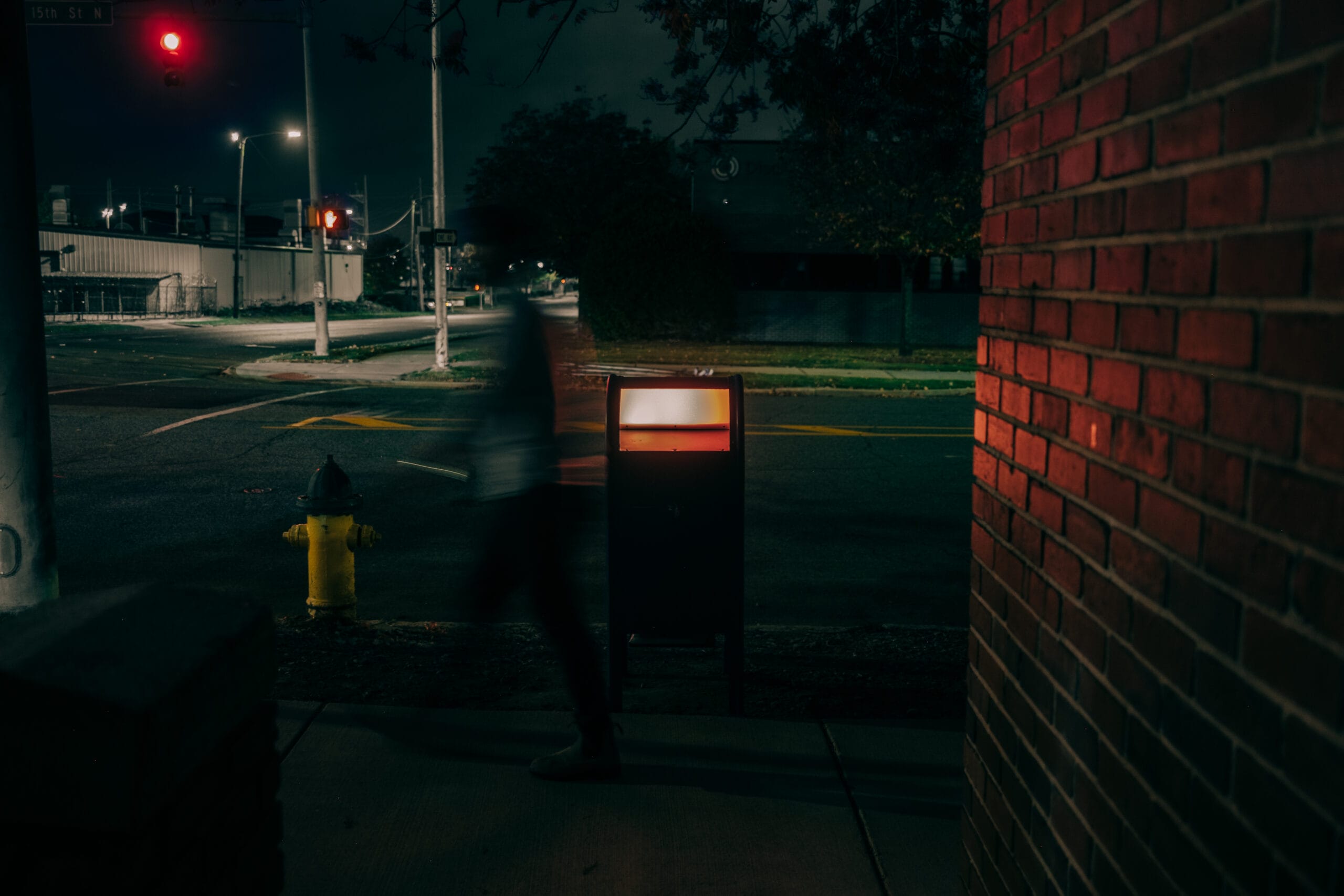
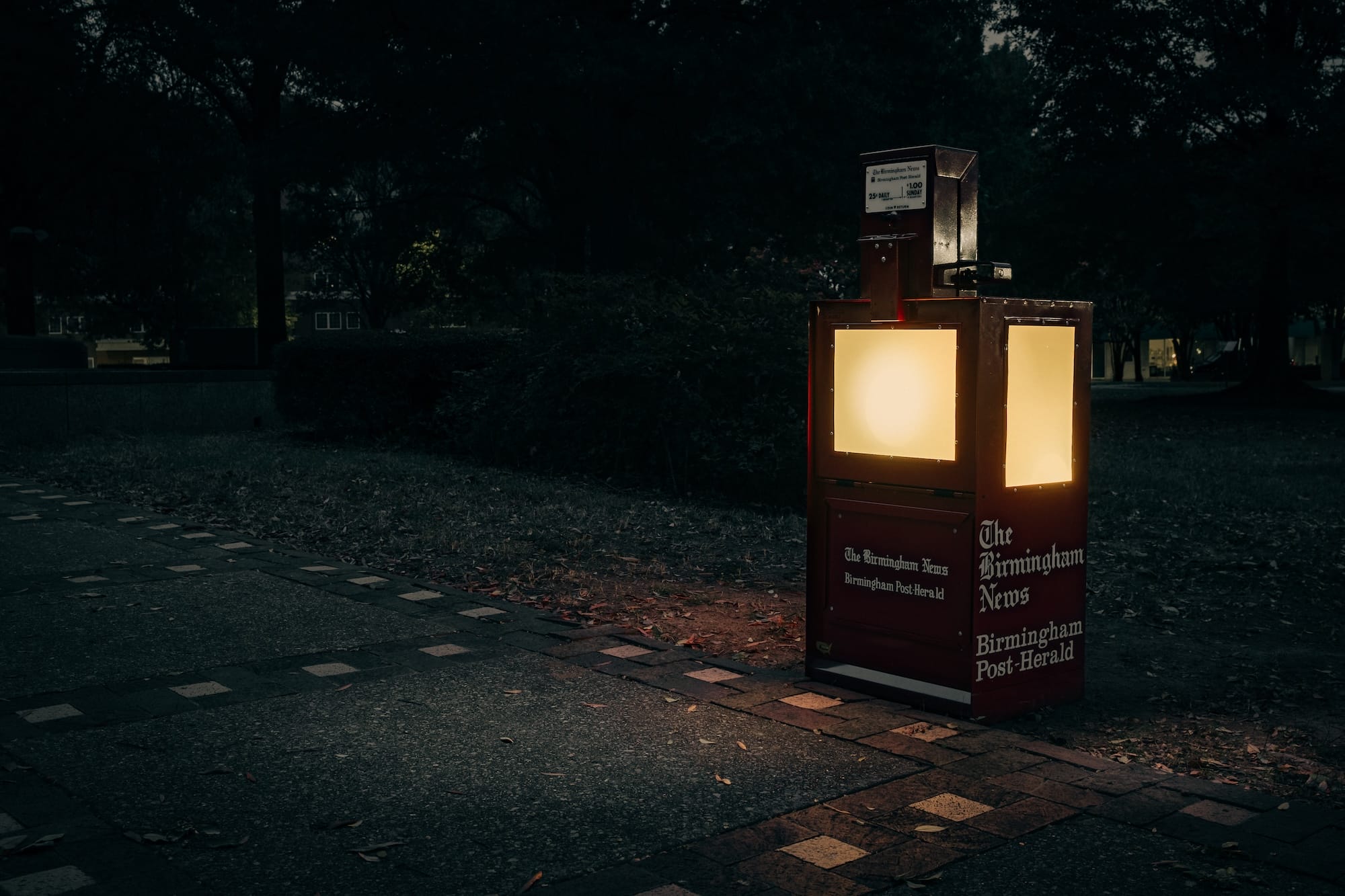
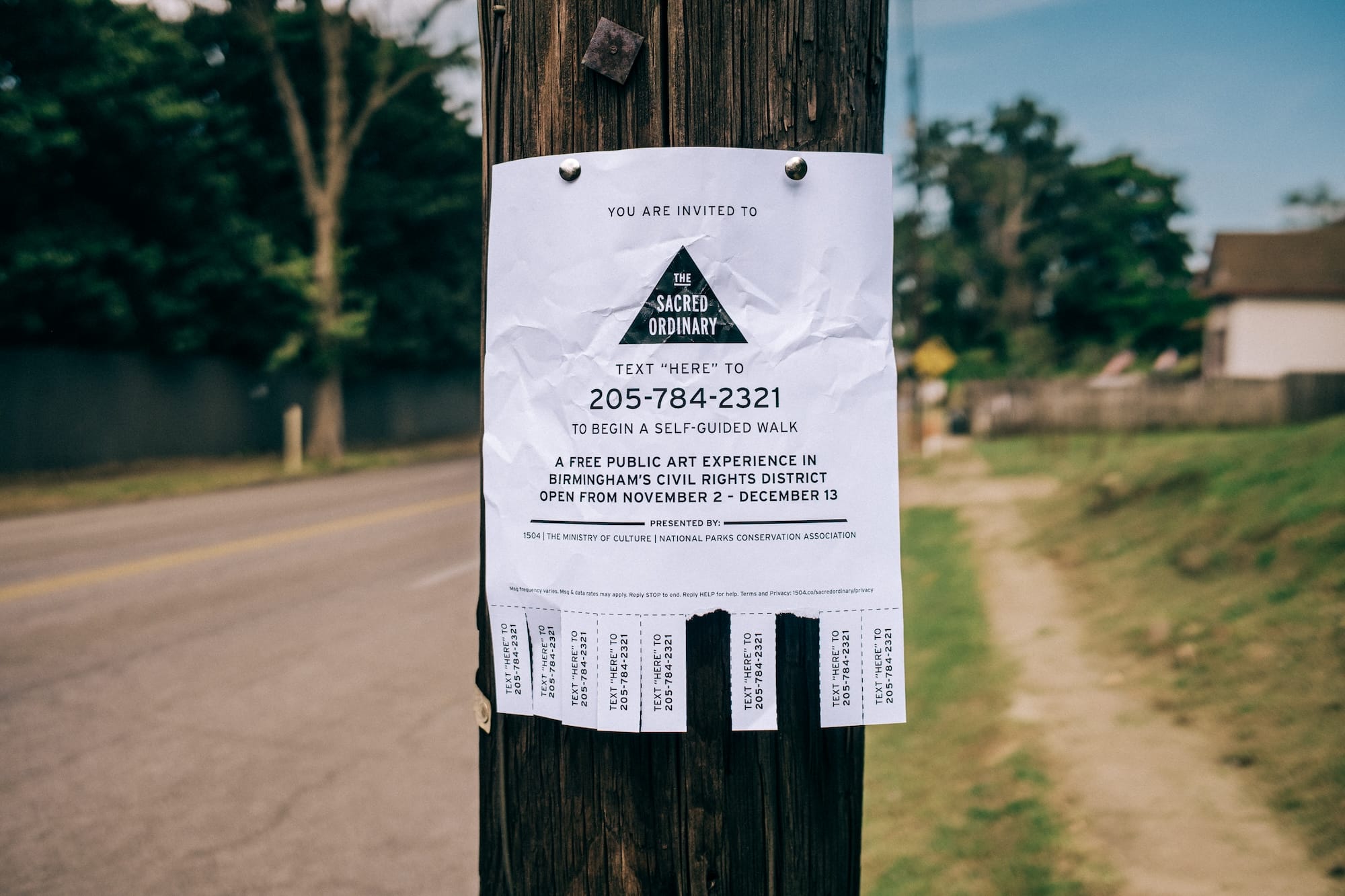
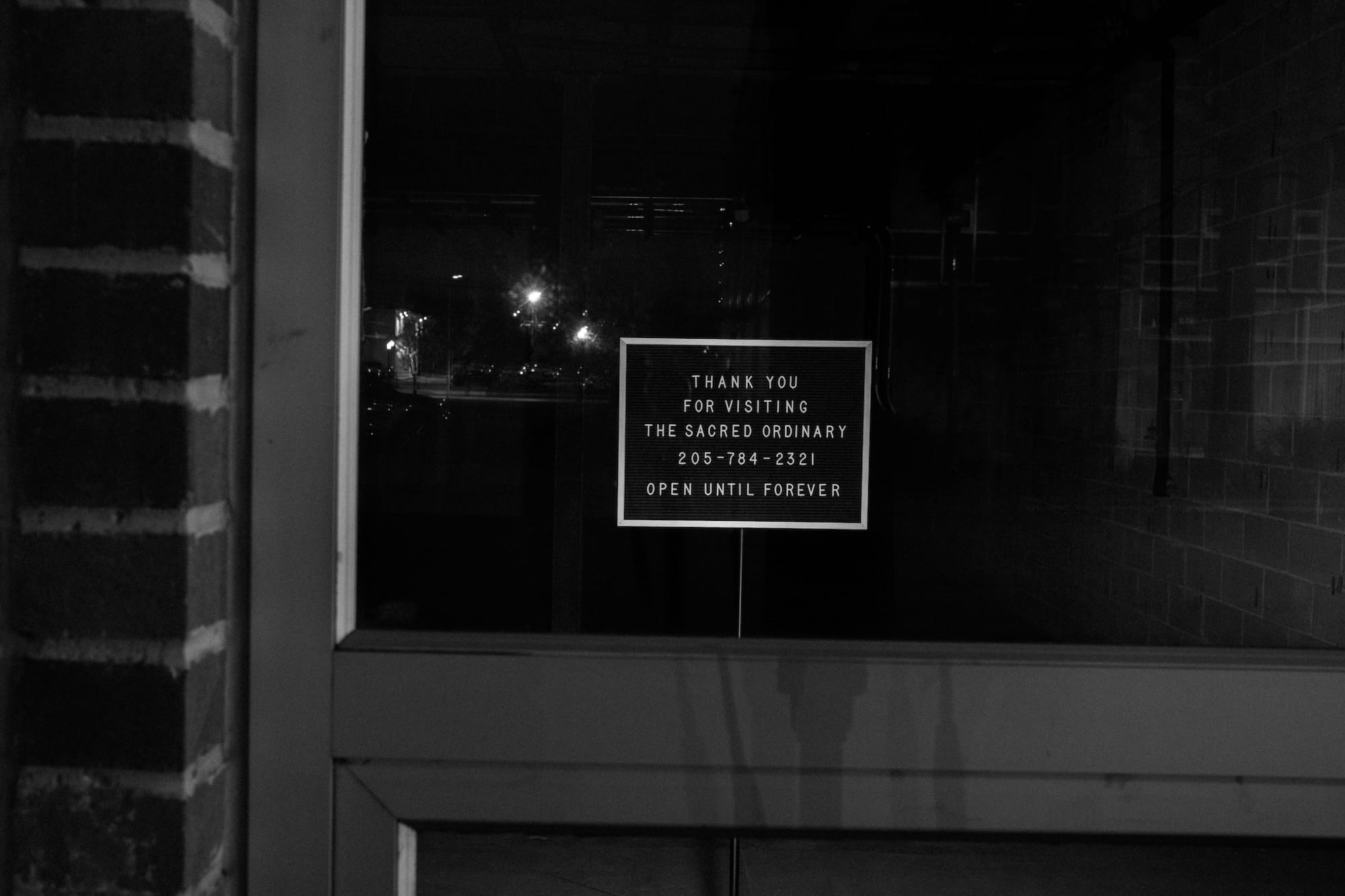
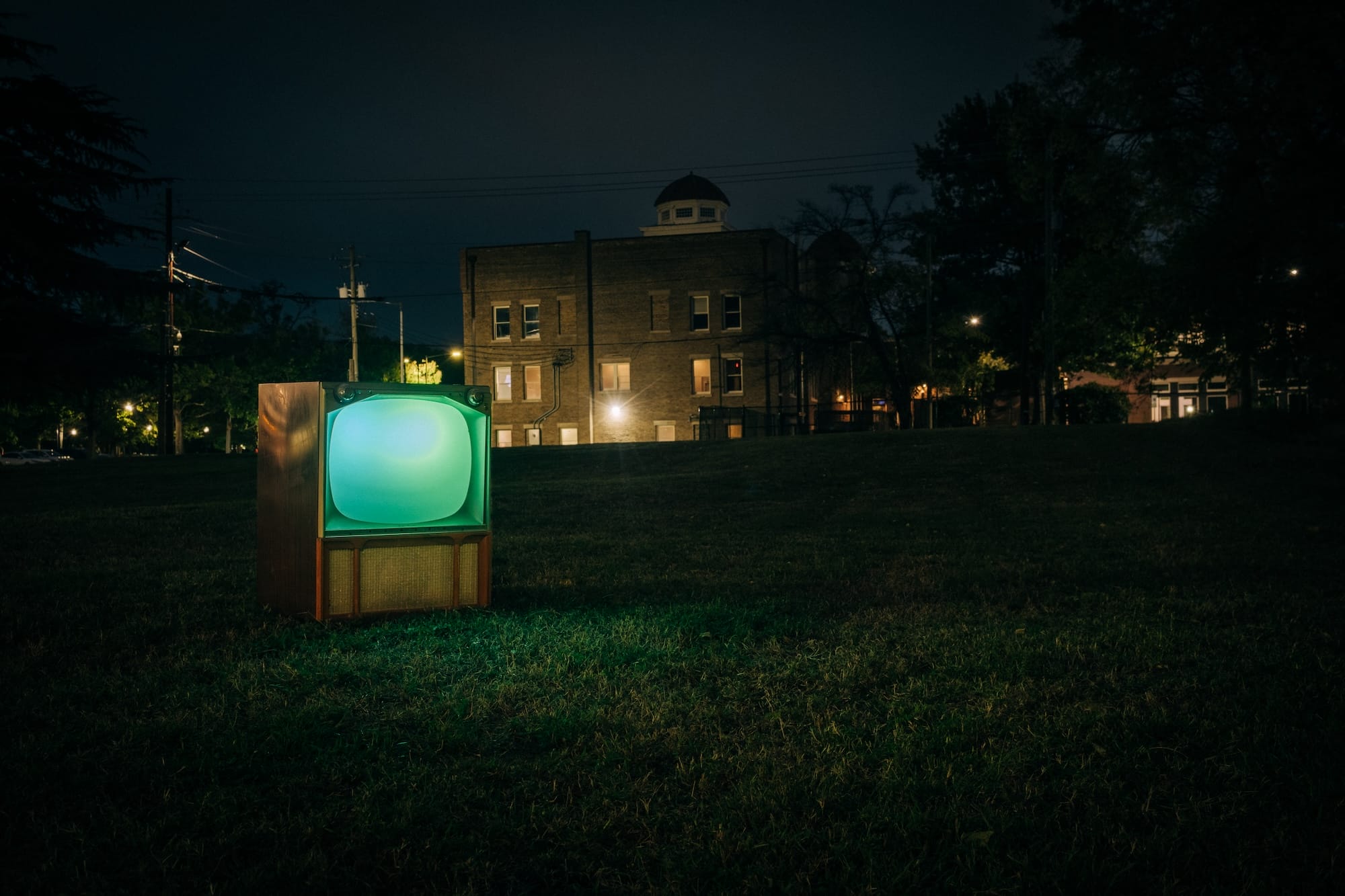
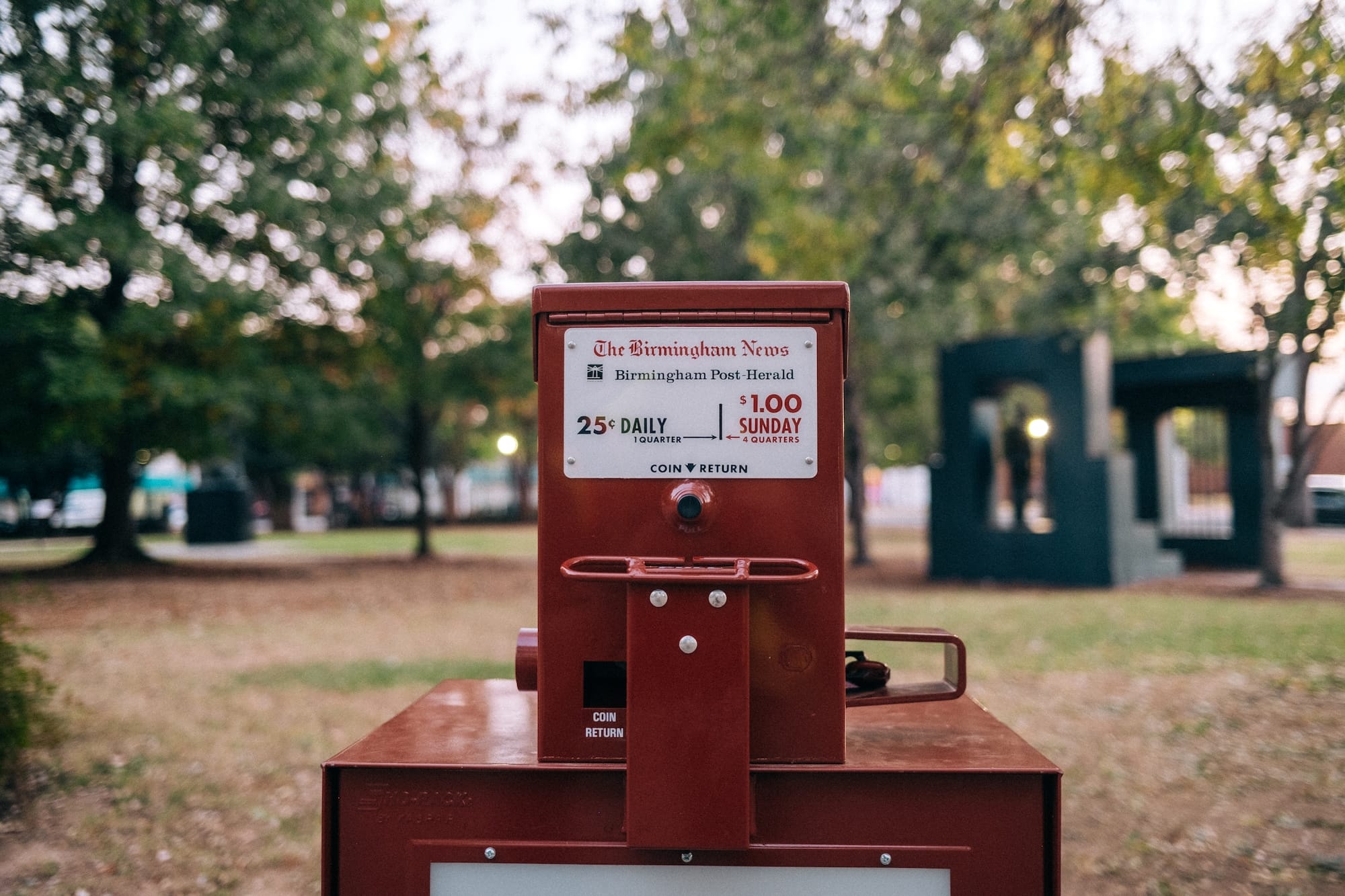
A huge midcentury television rests on an open lawn, and a red newspaper vending box for The Birmingham News, which ceased publishing in 2012, advertises 25 cents per copy. Additional sites include a characteristically blue U.S. Postal Service mailbox and a walk-in telephone booth. Sheets of paper with tear-off tabs posted around town invite participants to learn more by texting a phone number. If you text “HERE” to the number, you’ll be directed to a starting point and an otherwise nondescript yellow fire hydrant.
In scavenger-hunt style, visitors are prompted to enter the year stamped on the unit, and if it’s between 5 and 8 p.m., the sequence of texted prompts doubles as a multimedia self-guided tour of Birmingham’s Civil Rights District like you’ve never seen it: the television screen, mailbox, phone booth, and more begin to glow once the sun has set.
“Birmingham, Alabama, is known around the world for such places—sites of civil rights history that many regard as sacred and that connect us to something larger than ourselves. But today, that memory is endangered,” 1504 says in a statement. “Aging infrastructure, the passing of a generation of foot soldiers, and federal efforts to erase chapters of American history raise an urgent question: if institutions alone cannot sustain history, what role can the public play in caring for sacred sites?”
Rather than center primarily on signage, The Sacred Ordinary focuses on objects associated with civic life in the mid-20th century, evoking collective memories and providing touchpoints for younger generations for whom boxy televisions, printed newspapers, and telephone booths feel distant from today’s experiences. Emblematic of the way news and information spread before the internet and smartphones, the objects confront visitors with not only the realities of how people organized and communicated during that time but also how those memories are preserved today. Even without didactics, objects and places carry meaning that no one can simply delete.
The tour opens with a narration by actor André Holland, who played a fundamental role in preserving a historic theater in nearby Bessemer, Alabama, and 1504 has dedicated the installation to Birmingham-based artist Joe Minter. The Sacred Ordinary continues nightly through December 13, with accompanying guided walks and other programs scheduled in the meantime. Learn more on the project’s website, and explore the studio’s work on Instagram. You might also be interested in “The Praise House,” directed by 1504’s Tyler Jones.