South Tyrol’s Bunkers Shoulder WWII History in Vincenzo Pagliuca’s Portraits
Italy’s South Tyrol province, which borders Switzerland and Austria in the Alps and is home to some of Central Europe’s most dramatic mountains, lives up to its geographic position as a borderland. Italy annexed the region in 1919 following World War I, prior to which it was part of the Austro-Hungarian Empire. Many people are German-speaking, and in many ways, their cultural traditions and ancestry lean traditionally toward Austria more than Italy.
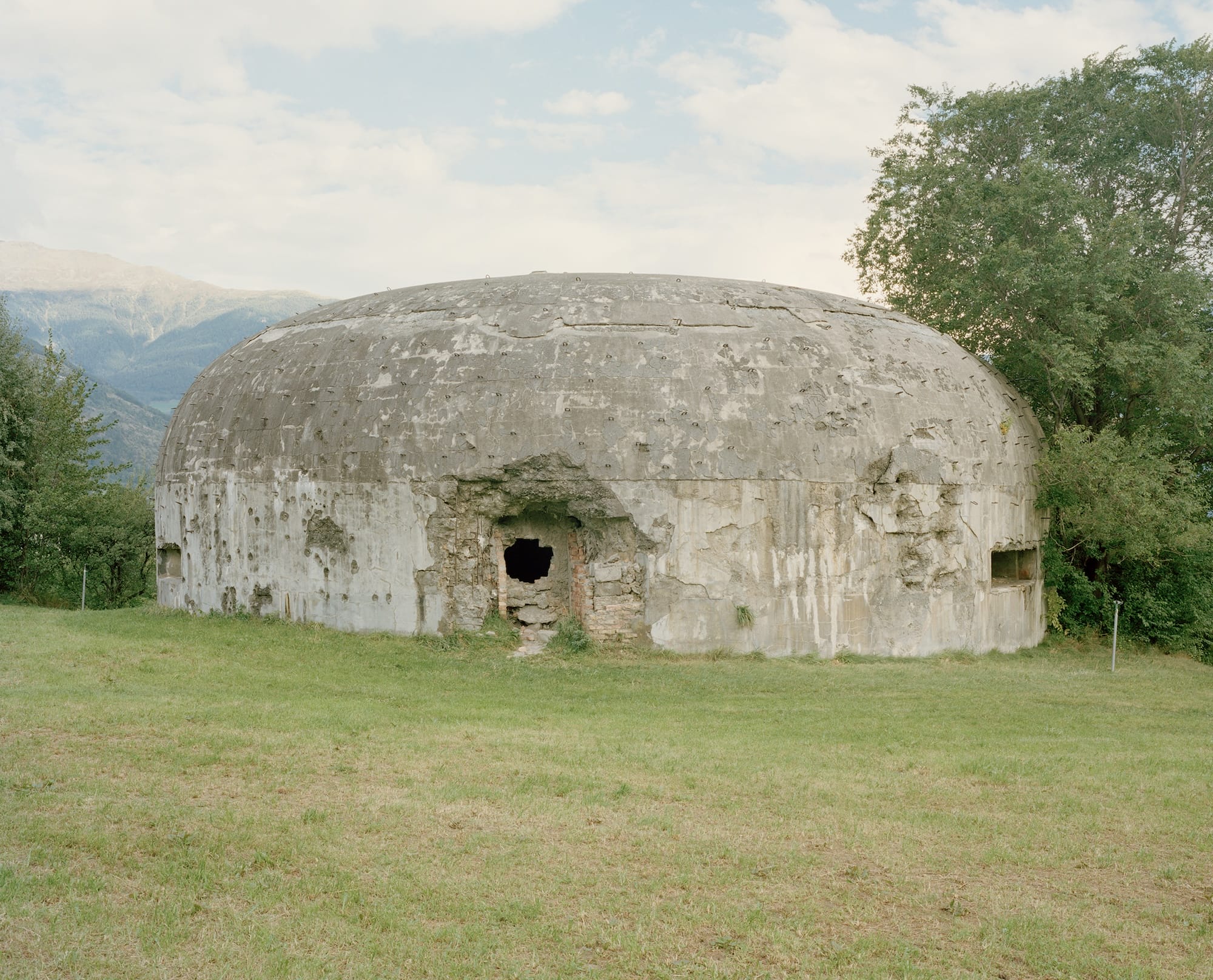
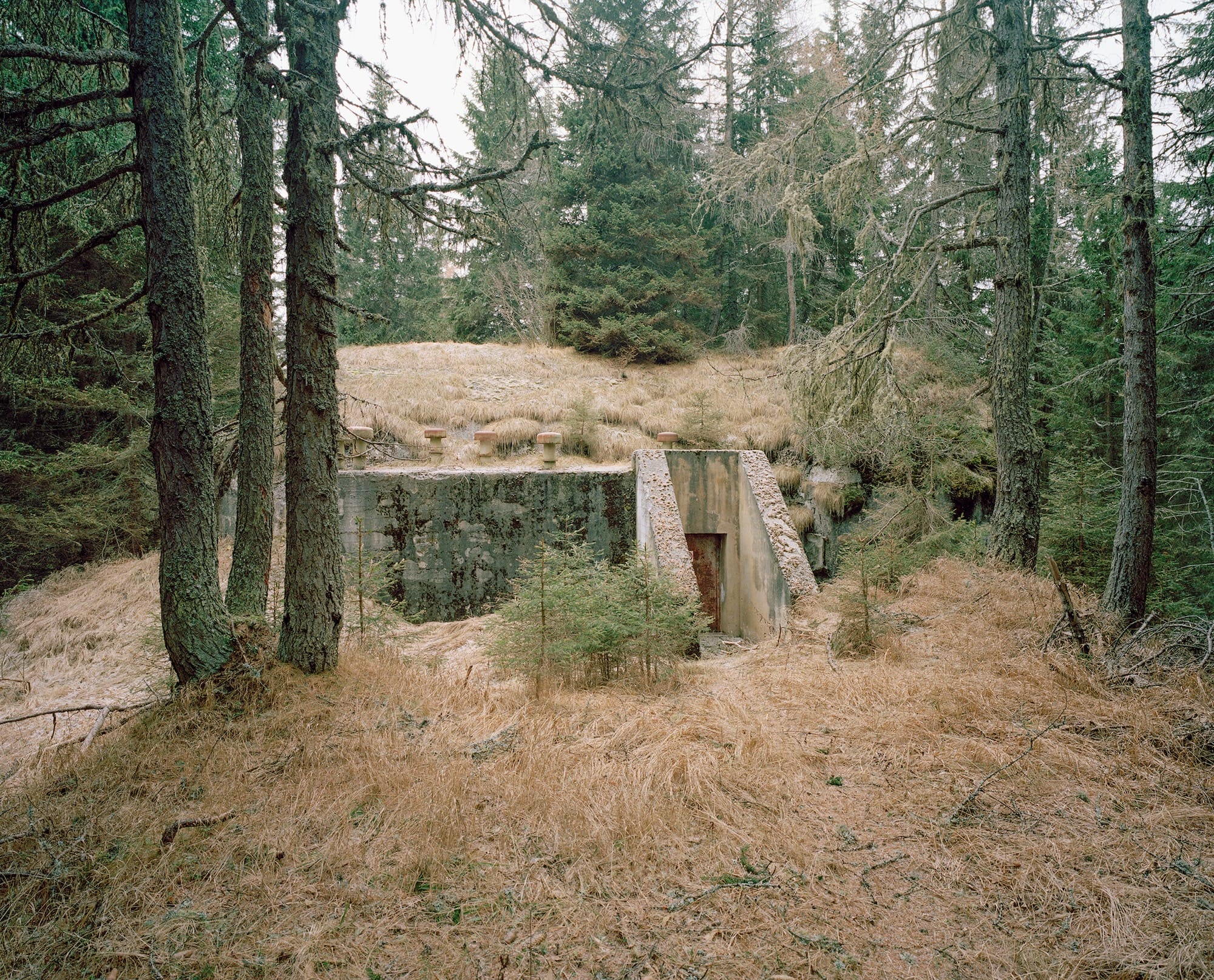
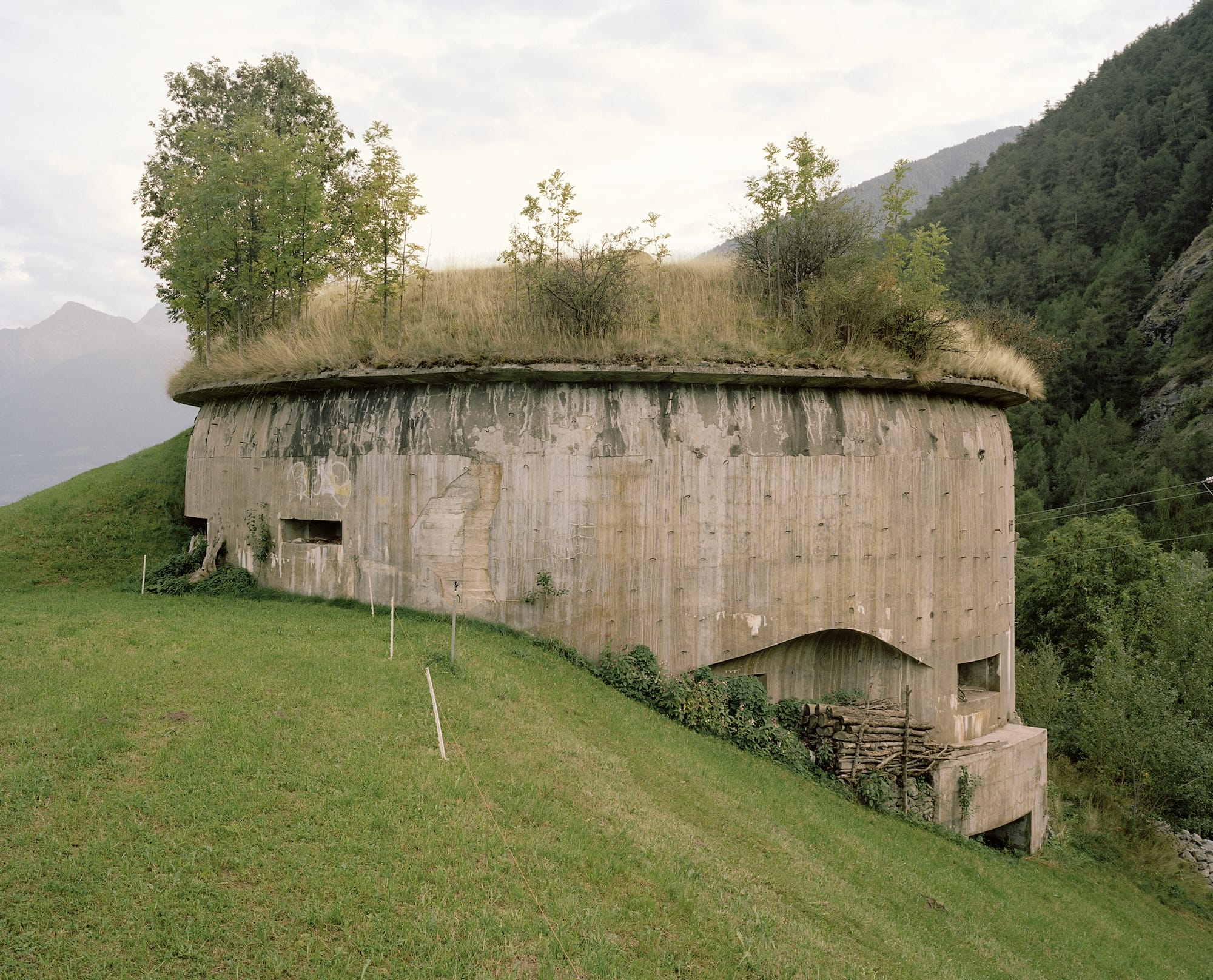
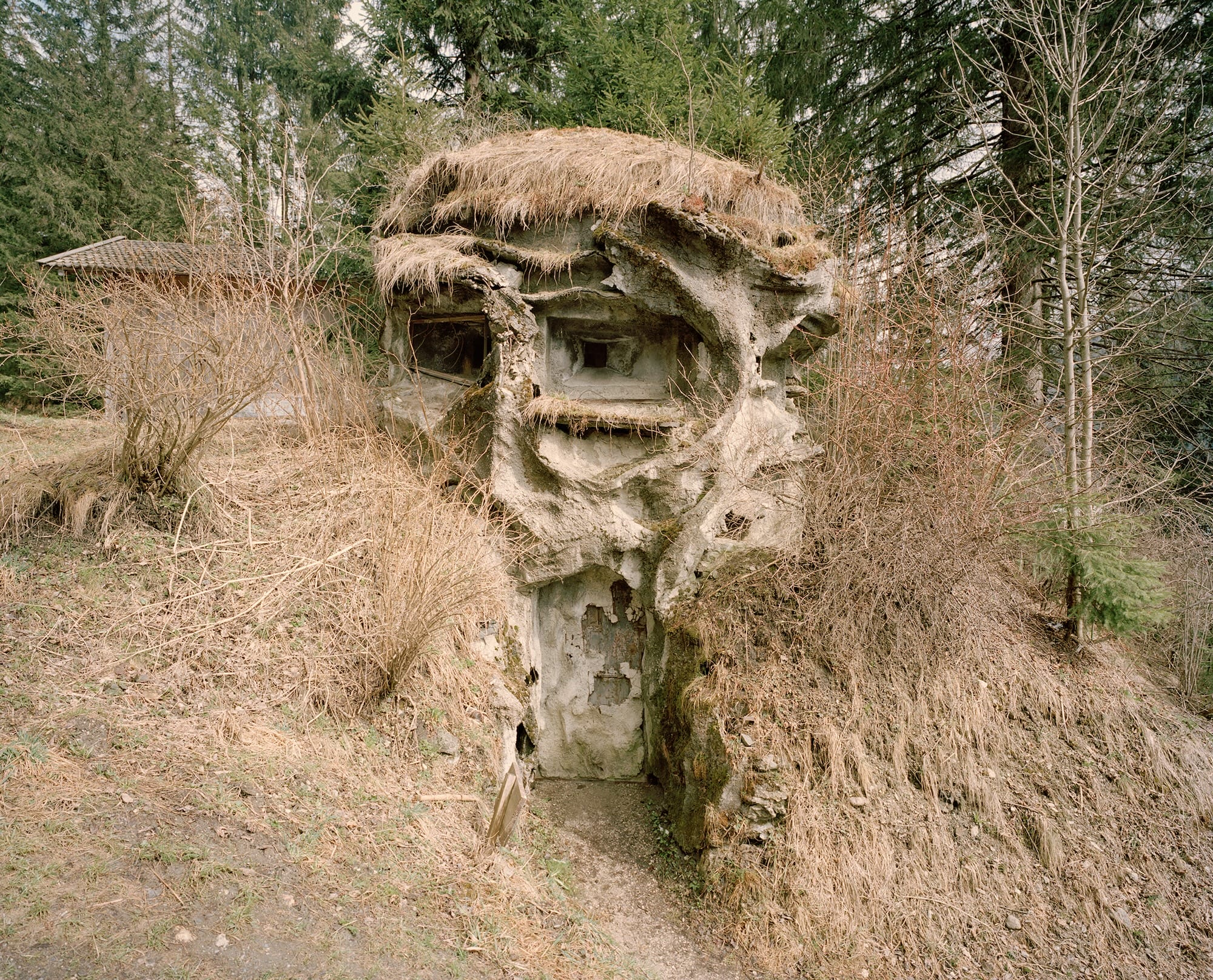
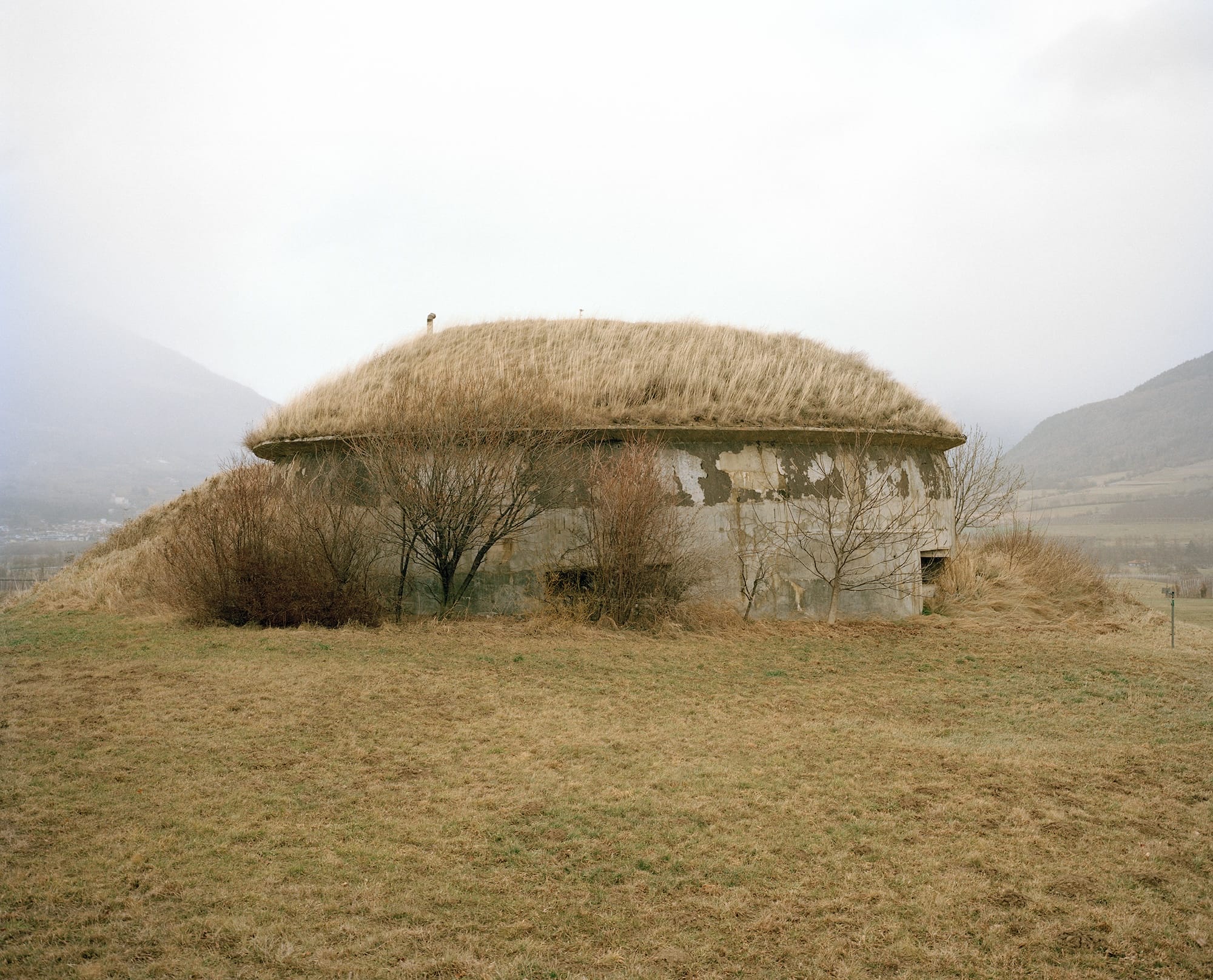
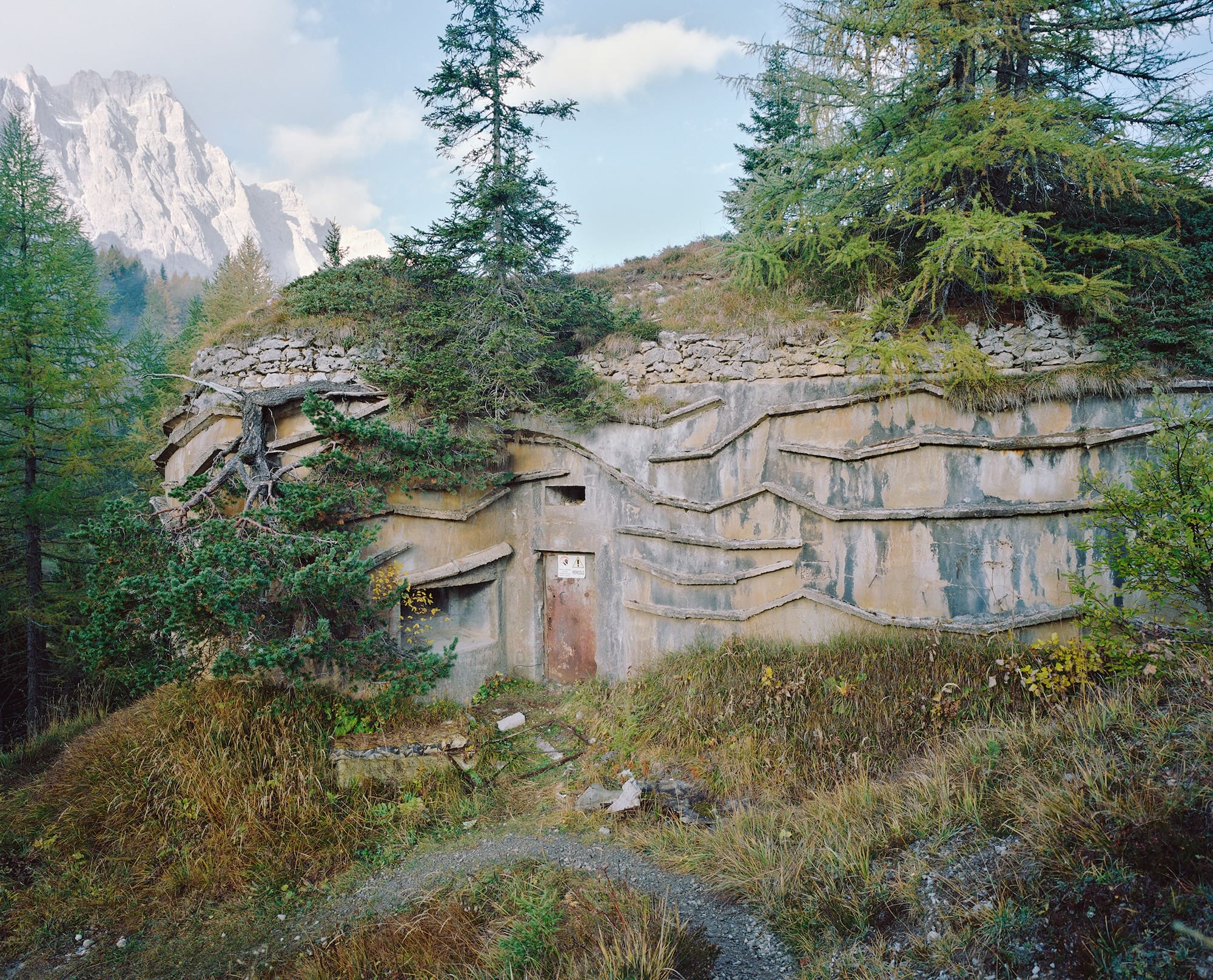
During World War II, the Fascist Italian regime constructed a series of fortifications along the country’s northernmost border, which the military controlled until 1993. For Vincenzo Pagliuca, these purpose-built structures spurred an intrepid yet pensive body of work called Bunker, published in hardcover by Hartmann Books.
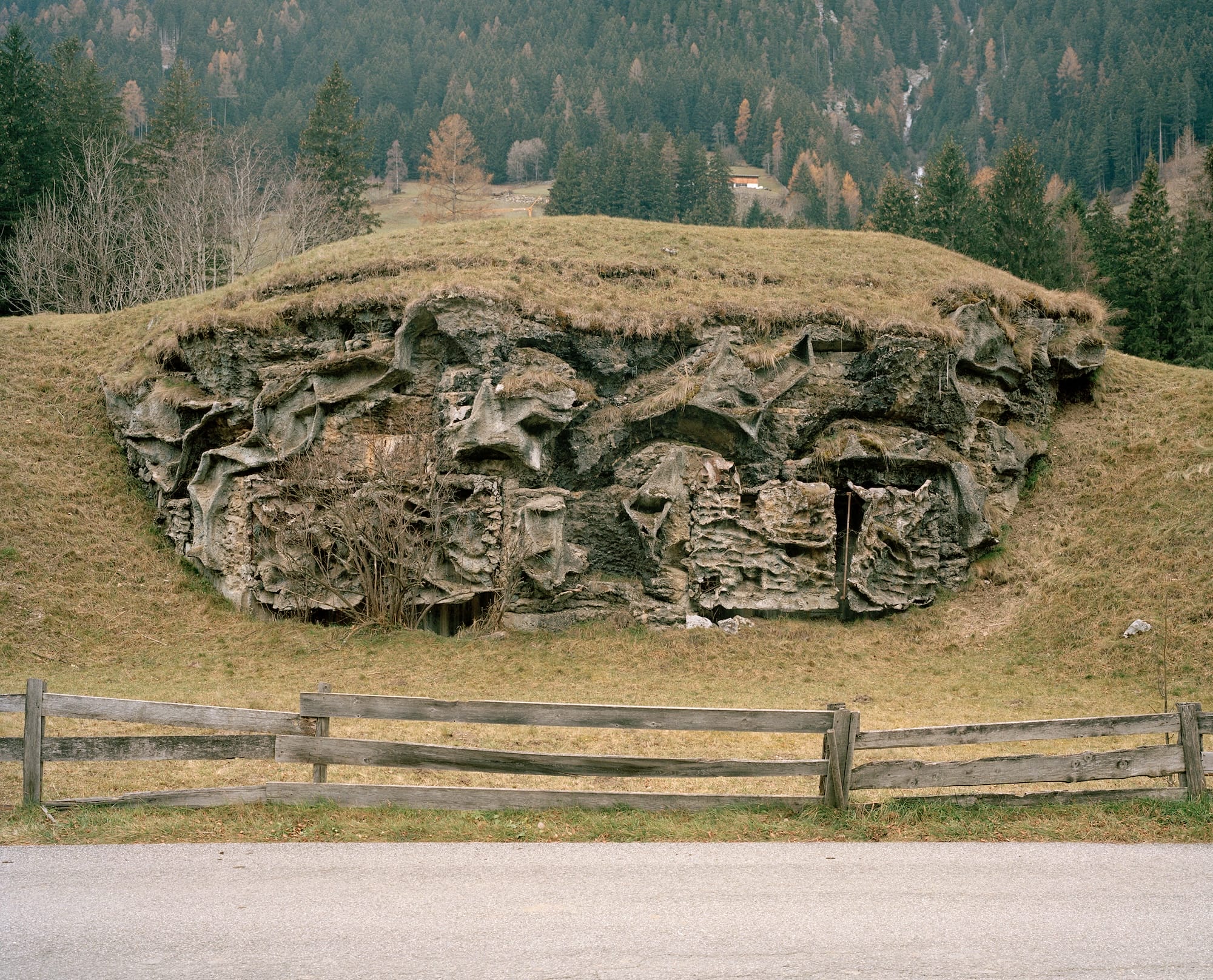
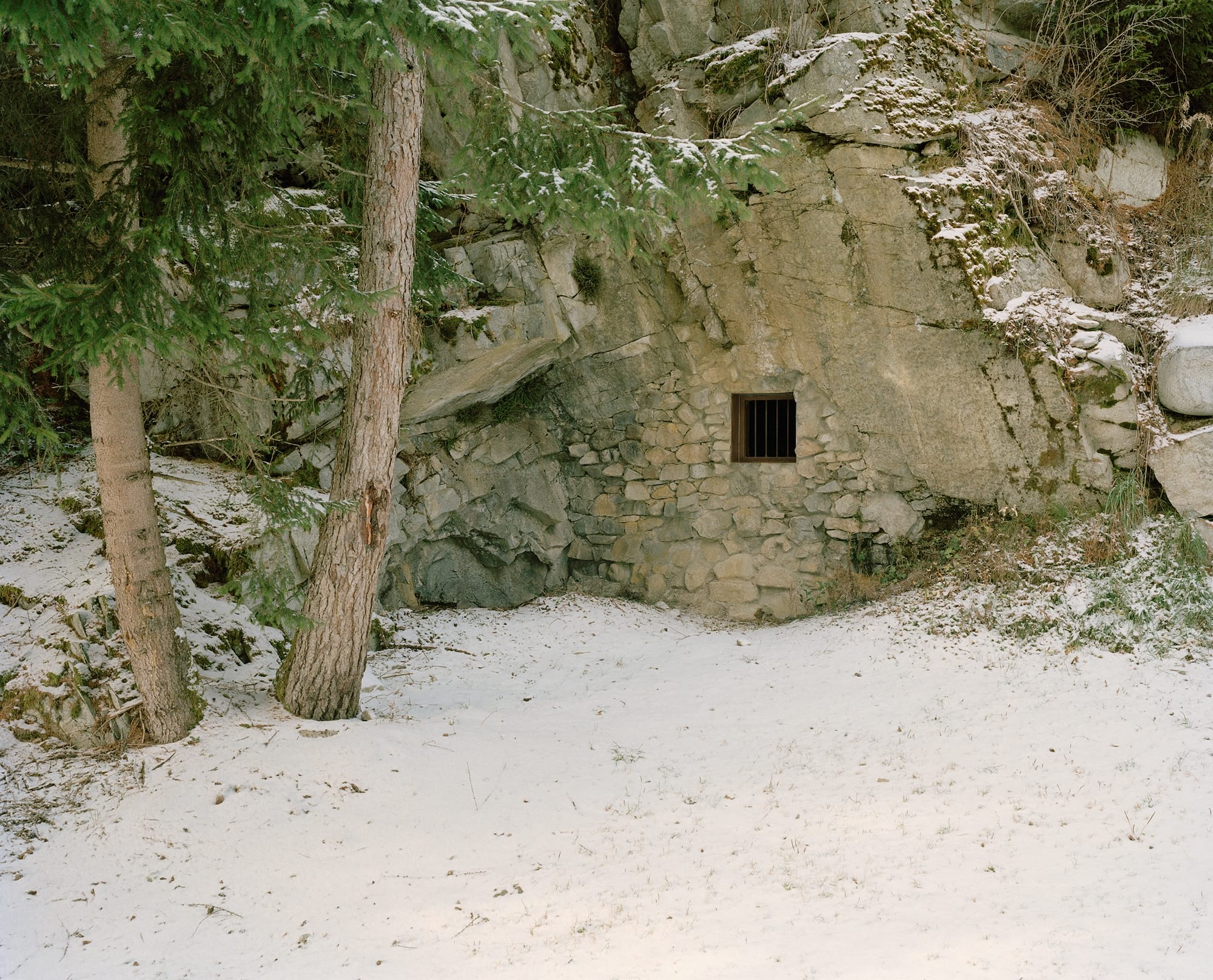
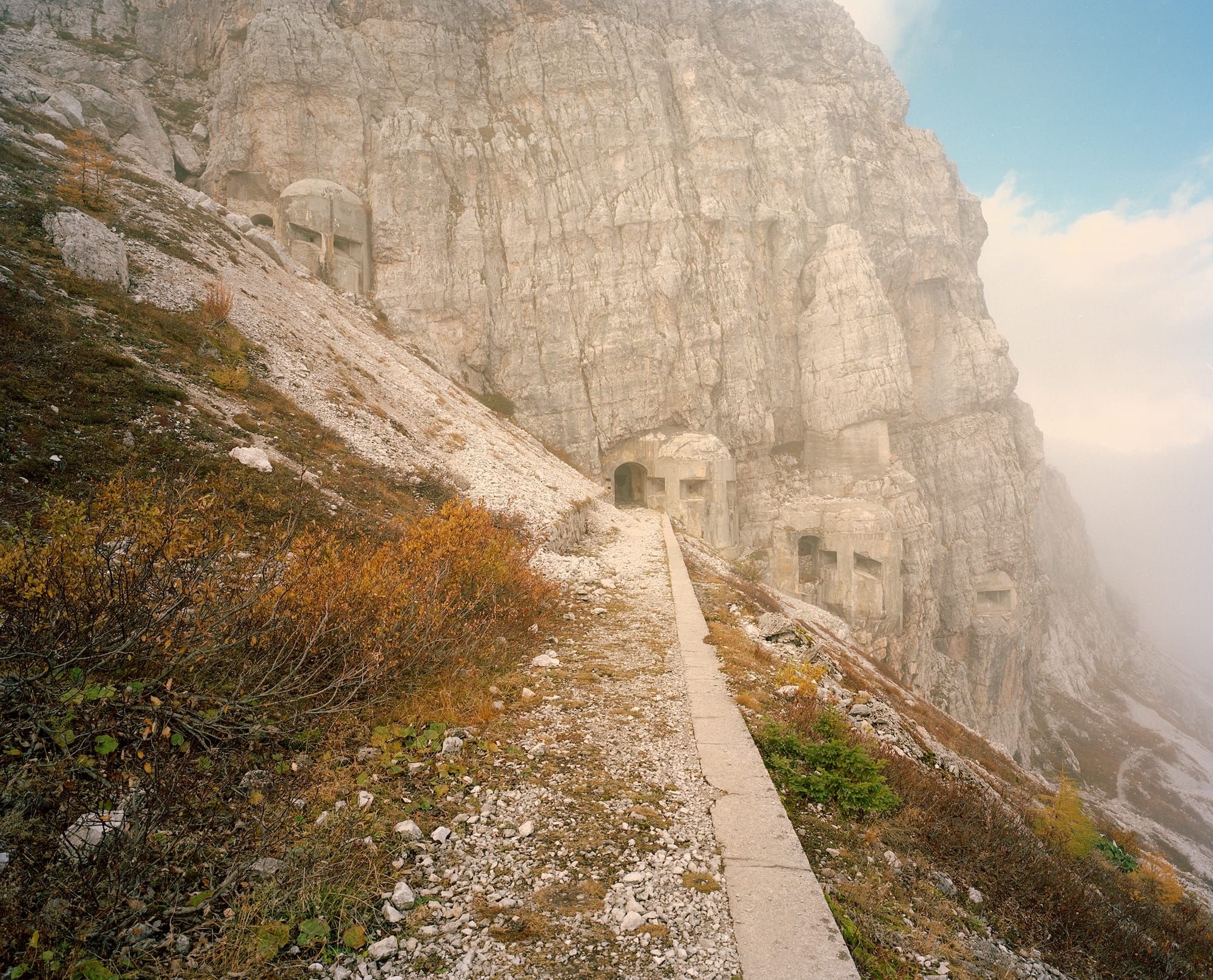
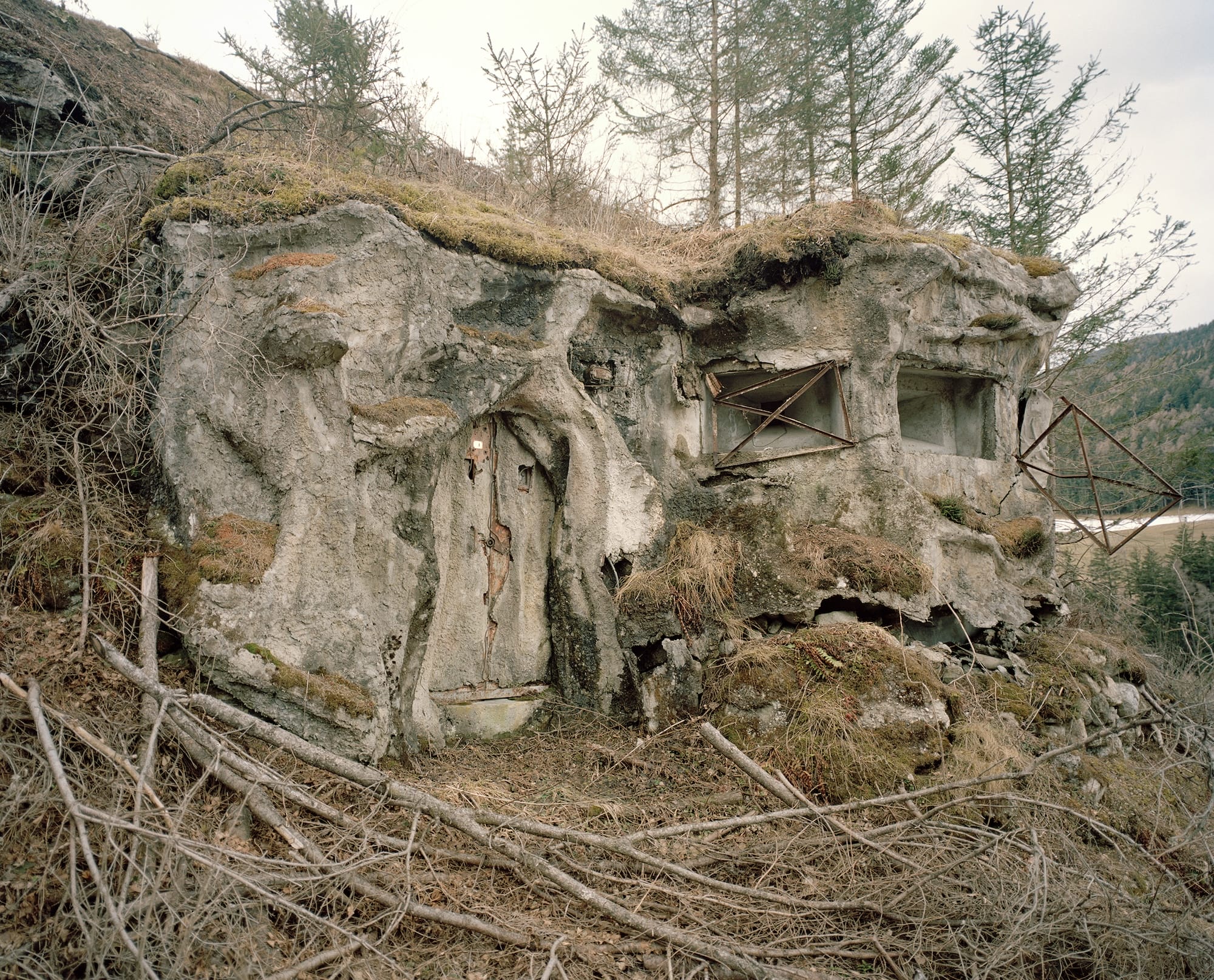
Many of the bunkers are freestanding concrete masses with distinctive domed shapes and thick walls. Others take advantage of the ancient pre-existing stone, sometimes carving directly into mountainsides and augmenting with extra barriers. Over the years, grasses have colonized the roofs, shrubs have grown close, and some of the exteriors, which were designed to camouflage against the slopes like exposed rock, have a surreal, almost Gaudí-esque character.
Pagliuca has long been fascinated by the architecture of northern Italy, such as in his project Mónos, which highlights the often quirky vernacular of diminutive Apennine homes. For Bunker, he was interested in the relationship of these specific structures to their rarefied and remote locations, their solidity and often hulking presence at odds with the surrounding Alpine meadows and soaring, snow-capped peaks.
These human interventions, depicted without the presence of people, are a permanent reminder of the drastic measures that political and military forces will go in the name of nationalism. “The bunkers represent a difficult legacy, recalling a dramatic historical period in Central Europe marked by nationalist ideology and the inability to resolve conflicts through peaceful means—an era we thought had long since passed,” says a statement from the publisher.
Grab a copy of your own from the publisher’s shop. See more on the artist’s Instagram.