The Largest Roman Mosaic Ever Excavated Opens to the Public in Rome
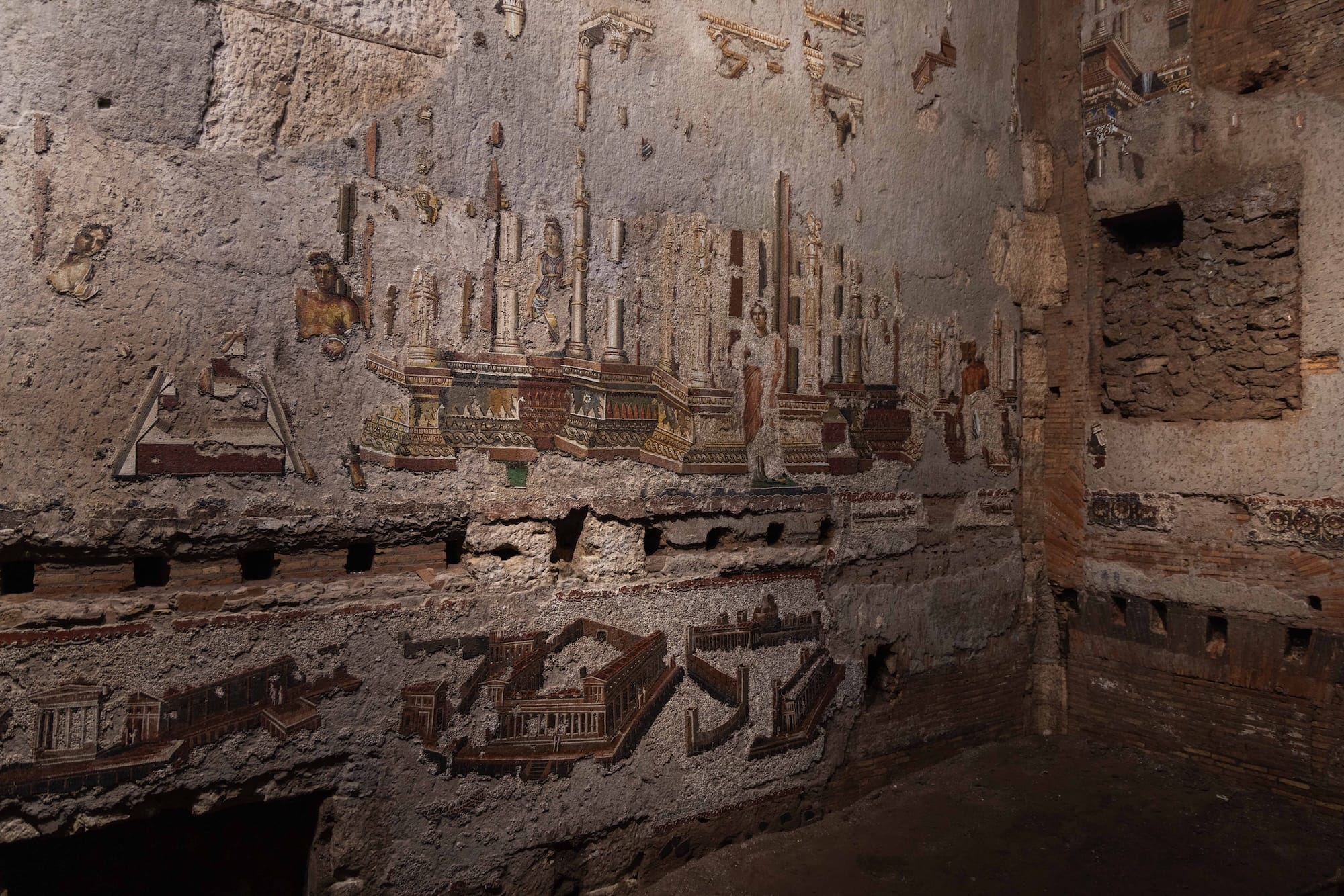
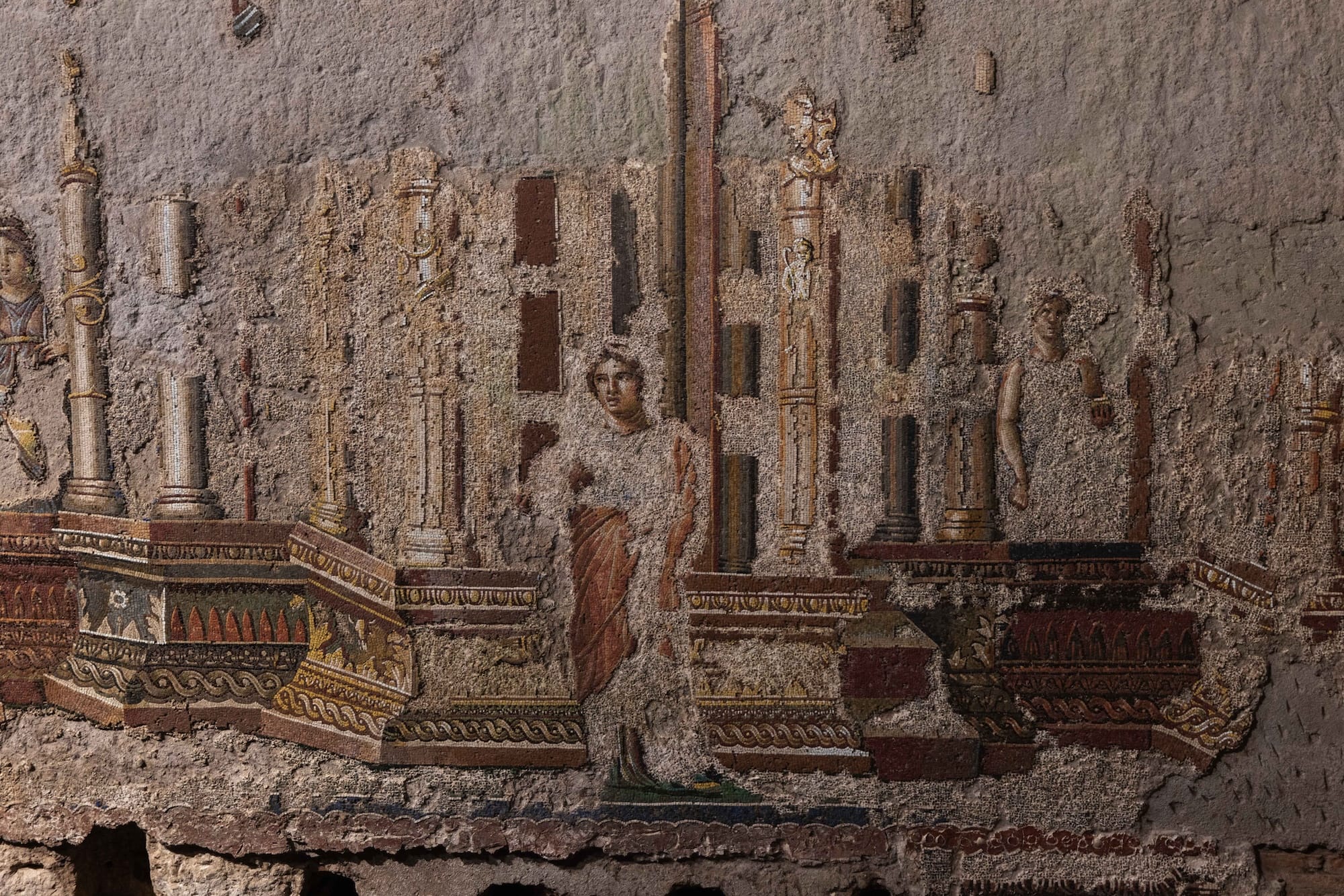
At 33 feet wide and 52.5 feet high, an ancient mosaic recently unveiled to the public may be the largest in the entire Roman world. It sits within the recently opened Museum of the Baths of Trajan in central Rome, which preserves a monumental, early 2nd-century bath complex built by Emperor Trajan covering about 15 acres.
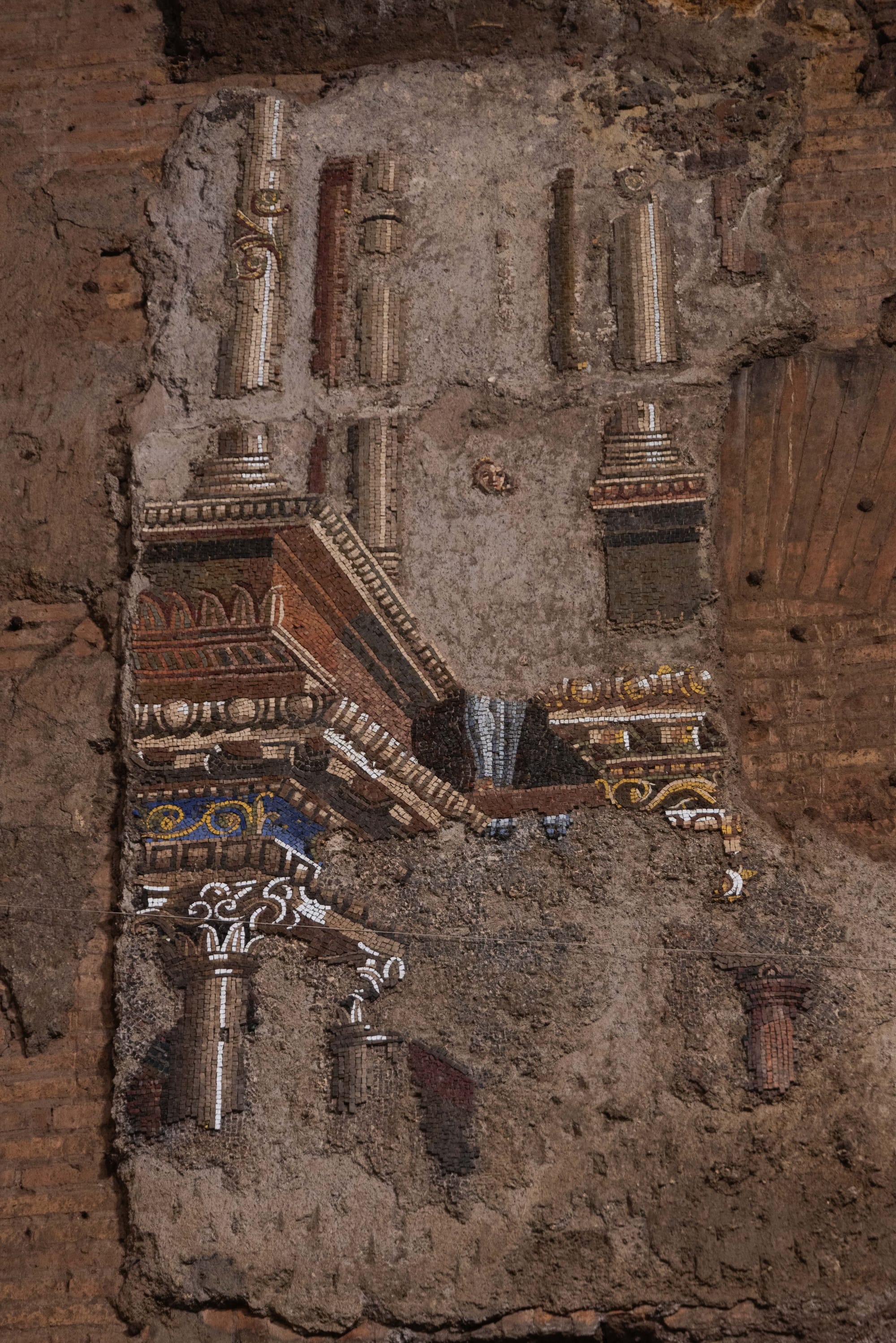
To construct the baths on the Oppian Hill, builders repurposed elements of a previous structure, Emperor Nero’s Domus Aurea, or “Golden House,” originally erected between 64 and 68 C.E. It’s unclear if the mosaic originated in that building; archaeologists think it could have also been part of a lavish dwelling that was later incorporated into the compound. But many of the monumental composition’s tesserae are missing and may have been used in the construction of the baths.
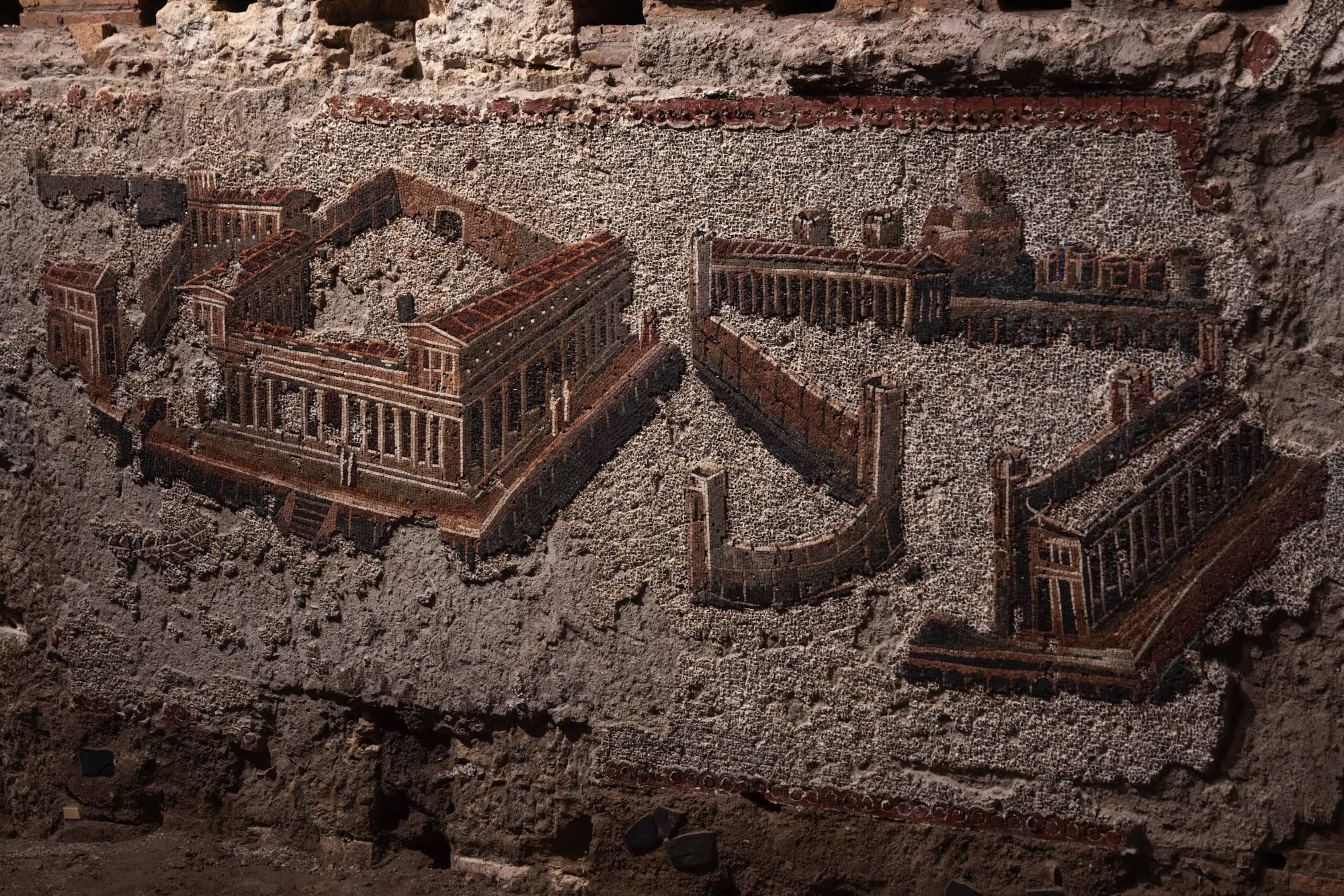
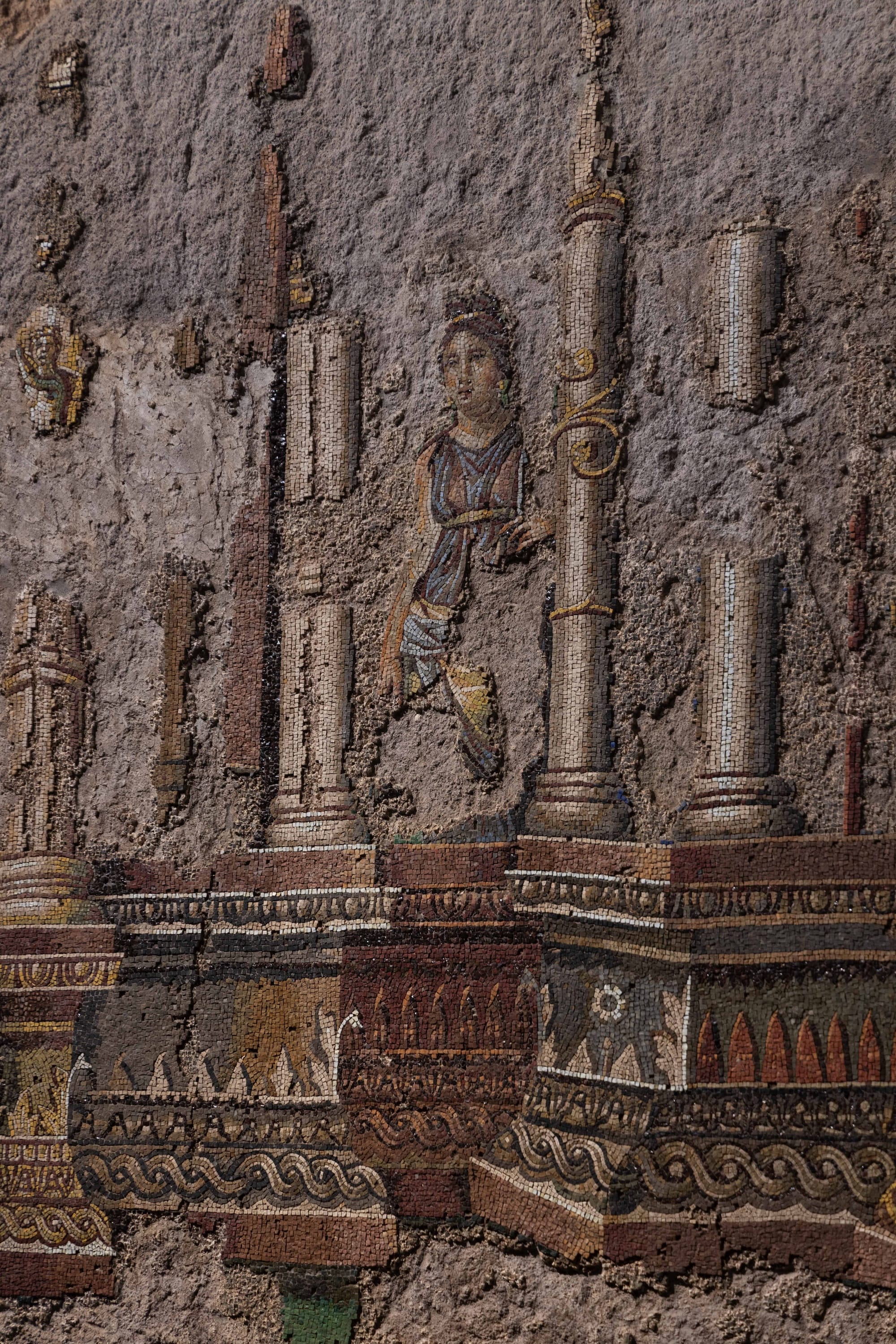
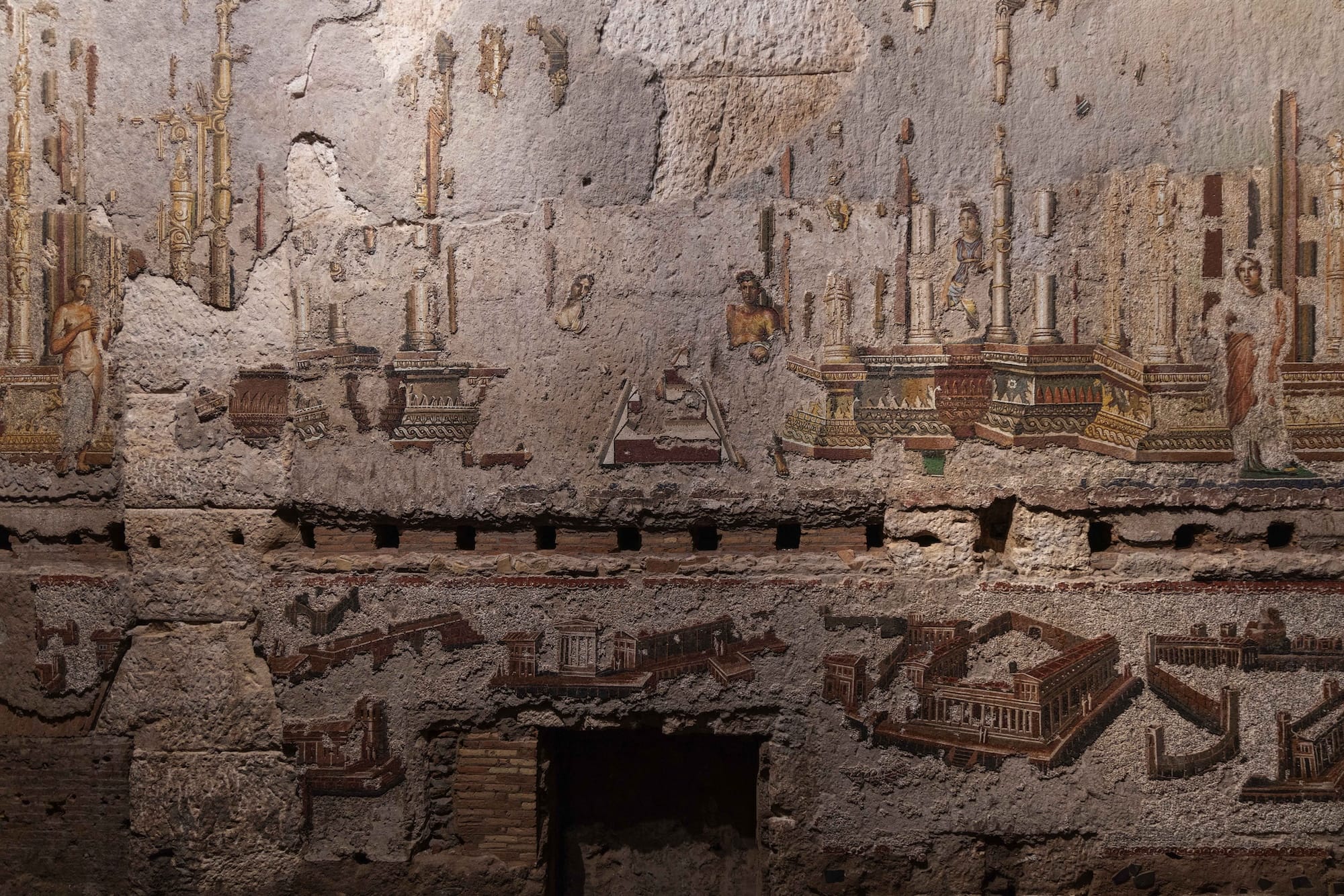
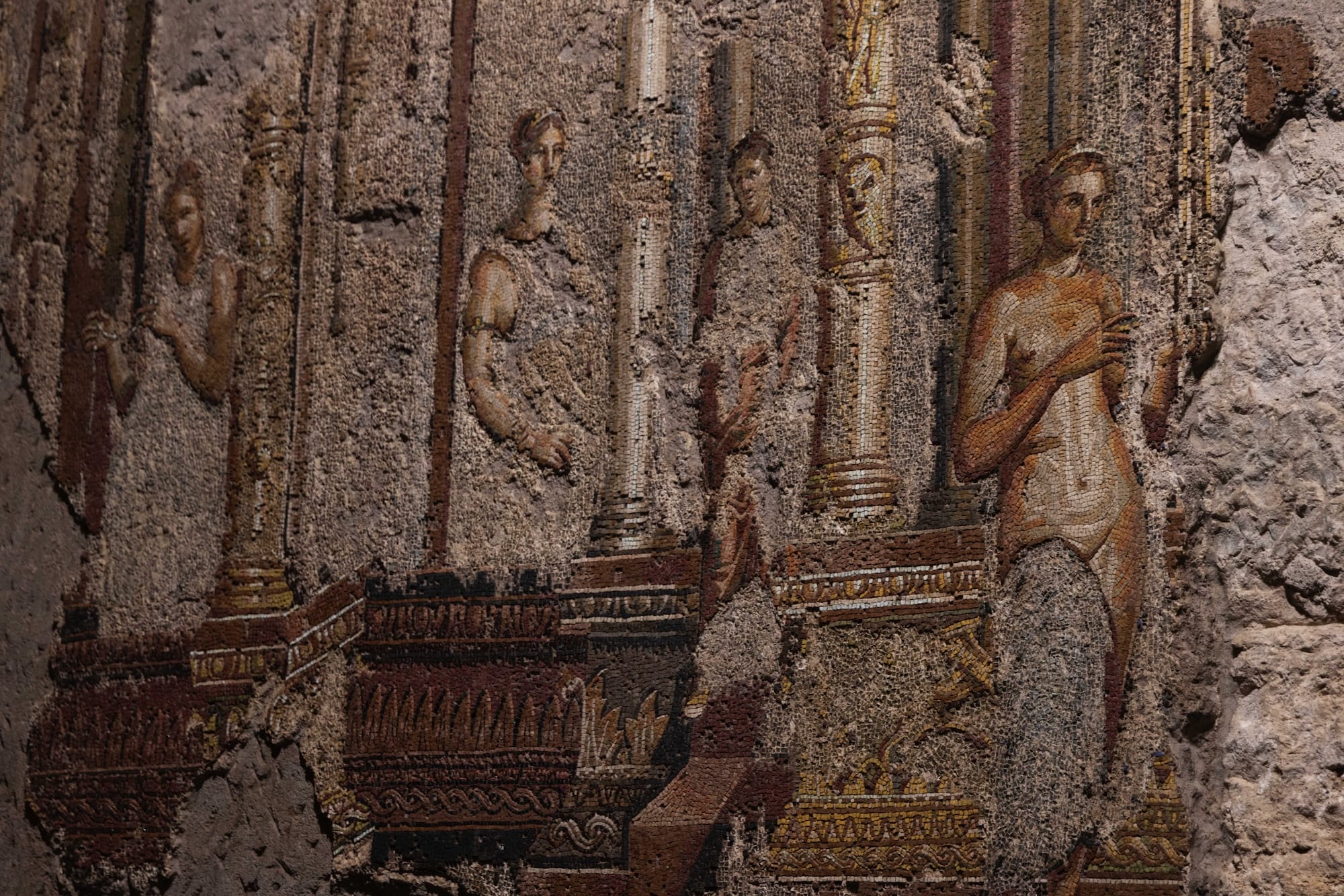
Dubbed the “Great Mosaic,” the work was discovered in 2011, and archaeologists have been meticulously revealing and conserving it since. The in situ artwork depicts architectural features that may represent a dual-level theatrical set, known as a scaenae frons, plus statues of the Muses and other figures and patterns that mimic the appearance of marble.
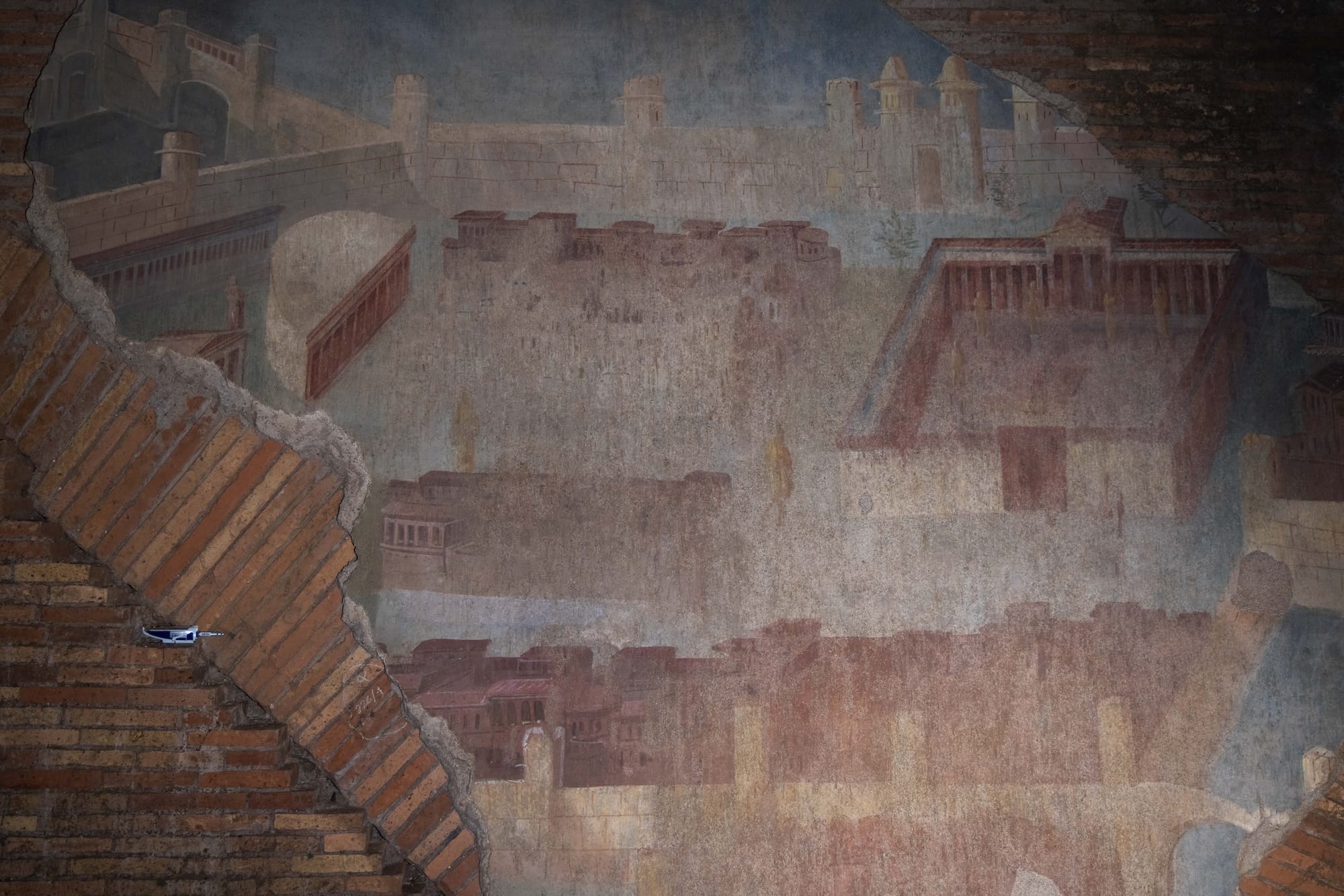
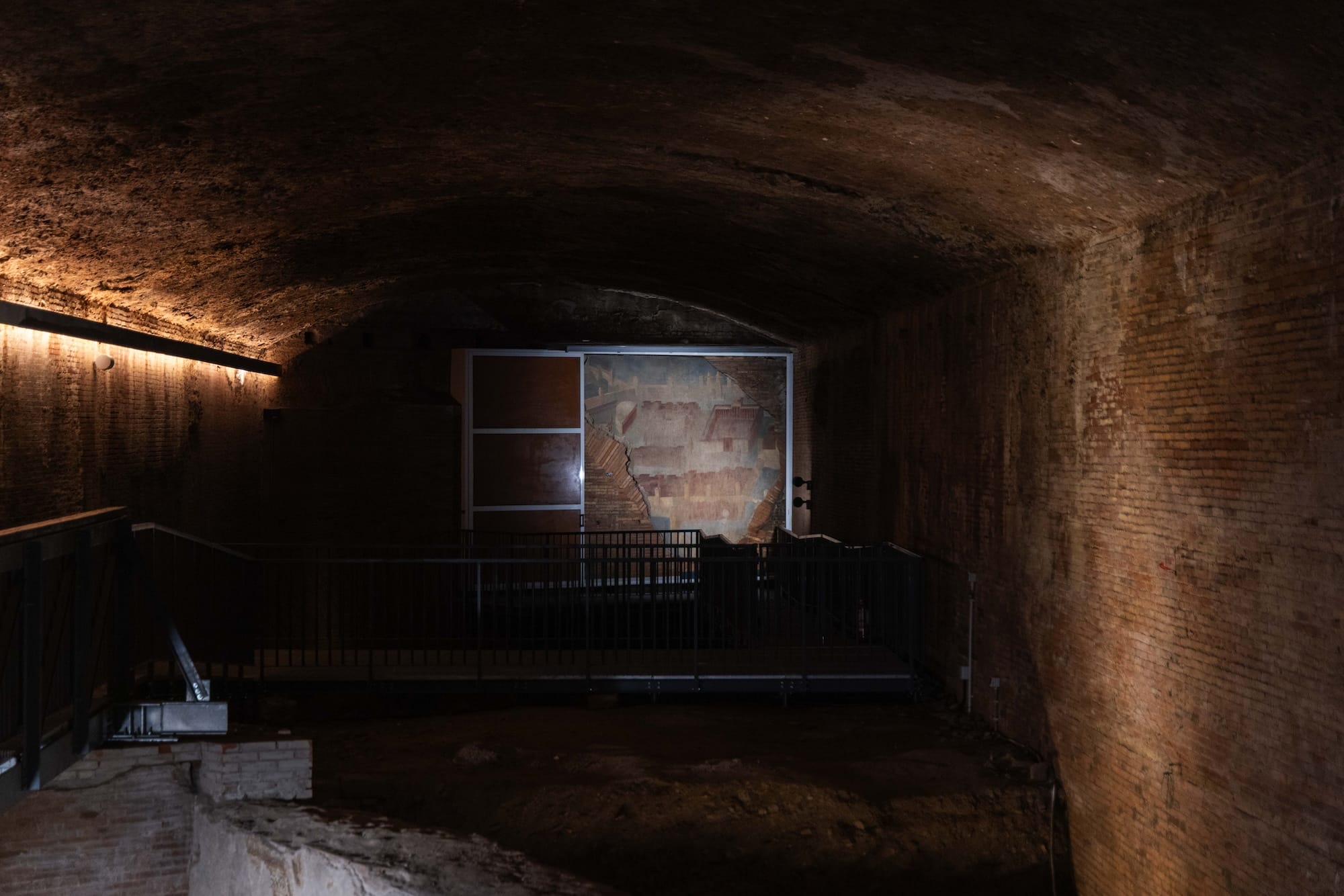
Within the same complex, a remarkable architectural fresco uncovered in the 1990s also goes on view for the first time. Known as the “Painted City,” it’s unclear whether the scenic backdrop for bathers depicts an actual port city or an imaginary place. According to CNN, the aerial perspective portrays some unusual details such as public squares and towers that weren’t a common feature of municipal design in the 1st century.
Archaeologists continue to excavate the “Great Mosaic,” particularly an area focusing on wine-making and grapes. Much of it can now be seen by visitors from an elevated walkway.