What Else Could It Mean? A Book Surveys the Playful, Iconoclastic Works of James Wines
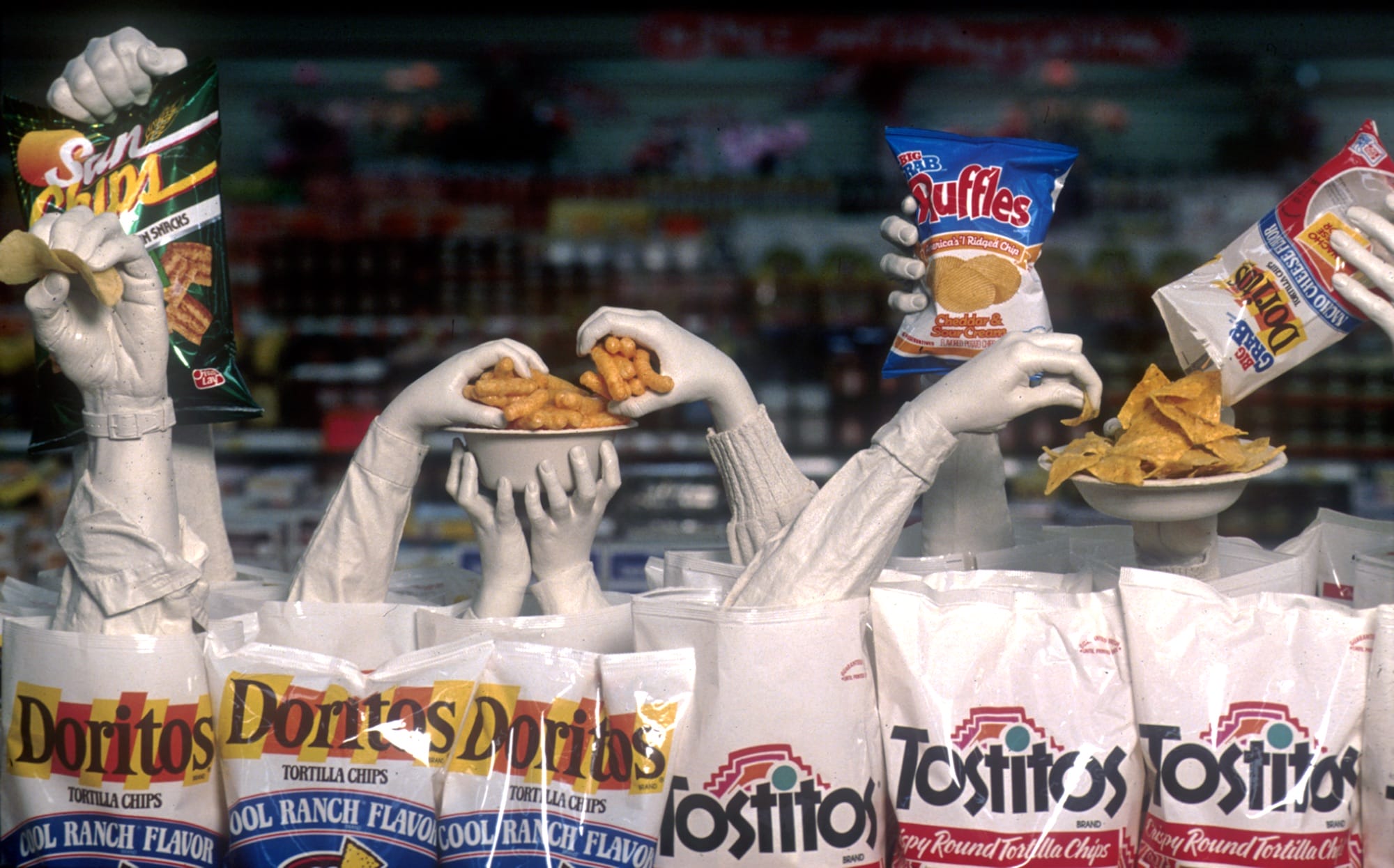
It’s not uncommon for artists and architects to espouse a desire for breaking conventions and pushing boundaries, but so few have embodied such a mandate as James Wines. An unparalleled devotee of wit and play, Wines is behind SITE (Sculpture in the Environment), a New York-based studio founded in 1970 with a portfolio that spans commercial construction, urban infrastructure, public art, and more. No matter the project, SITE’s approach is rooted in questioning the division between art and architecture and defying expectations.
In the preface to the new book, What Else Could It Mean?, Wines describes how he spent months in Rome after college soaking in the religious designs and civically unified architecture, which inspired what became his signature mode of working. When he returned to the U.S. to continue teaching at New York University, he asked his students to create with the opposite approach, one that tapped into a fractured and diverse contemporary landscape. “What else could it mean?” became a driving ethos that centered around “architecture as a critique of itself, as an inversion of design expectations, as humorous insights and the absorption of context as a motivating source of ideas,” he writes.
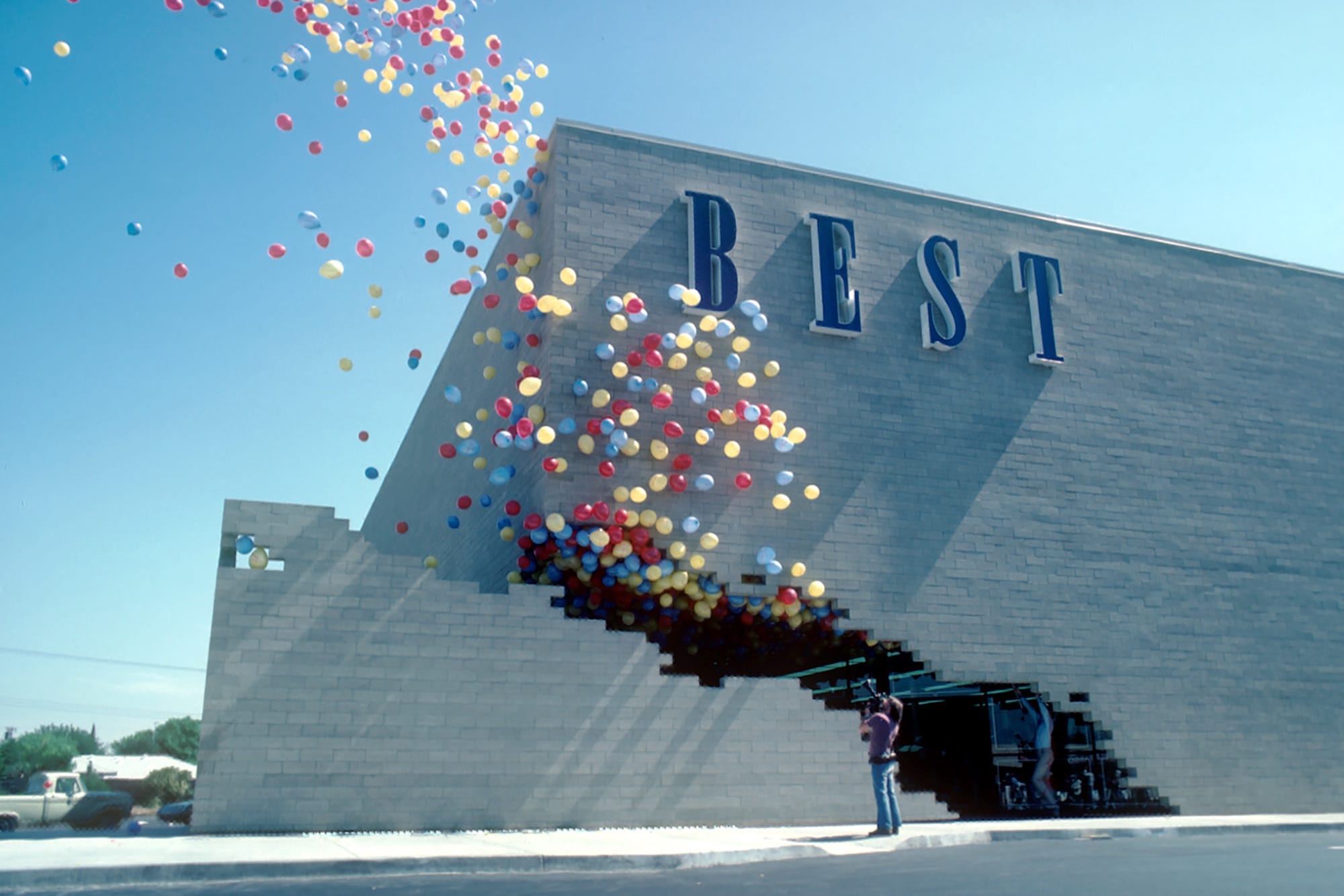
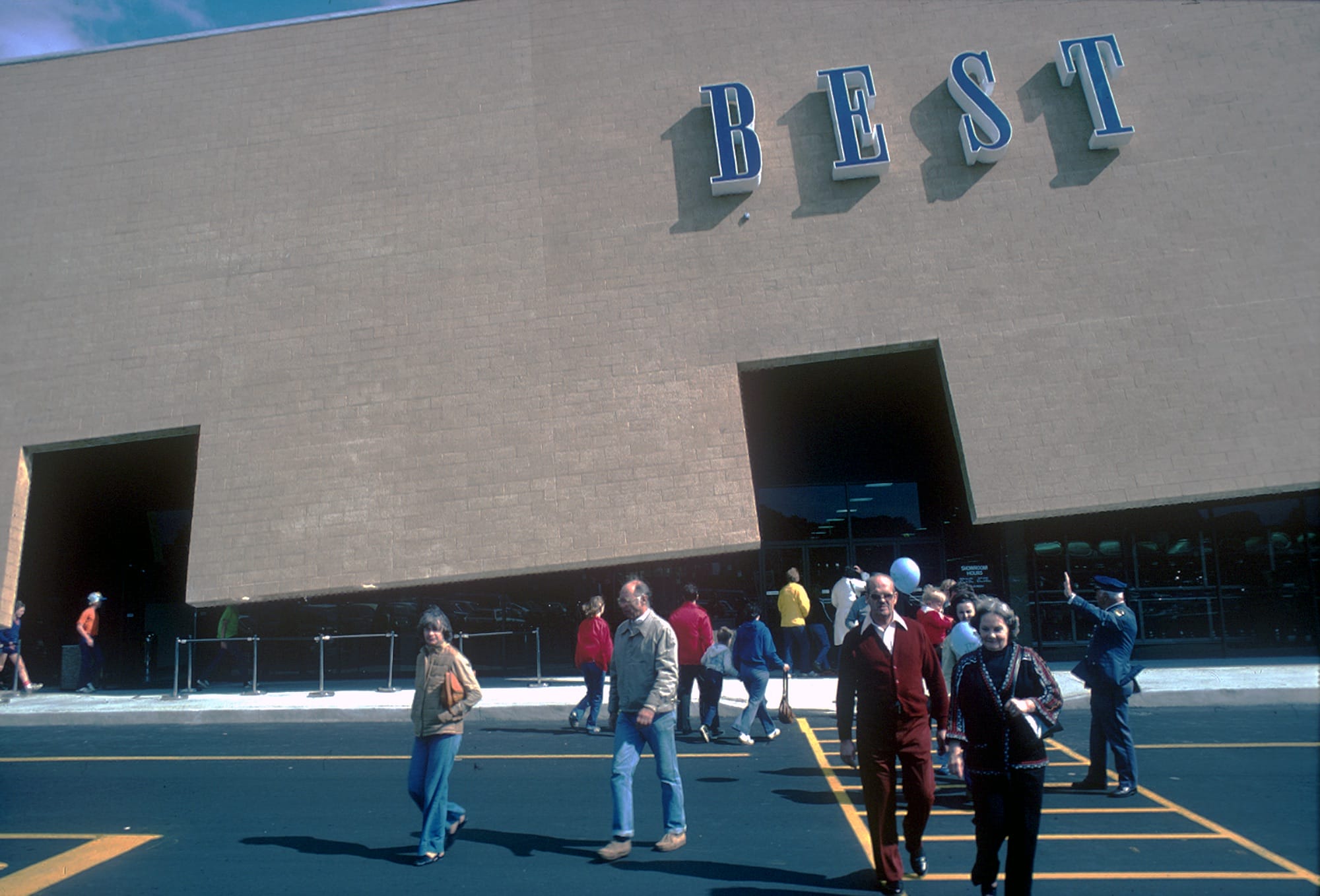
Published by Skira, What Else Could It Mean? showcases dozens of projects from the SITE oeuvre. The most iconic of the studio’s works are designs for BEST Products Company, a big box store that operated for four decades. Owners Sydney and Frances Lewis tapped Wines to create unconventional structures for their showrooms, which included a building that appeared to sink into the ground at an angle and another that split open as the base fractured from the rest of the facade.
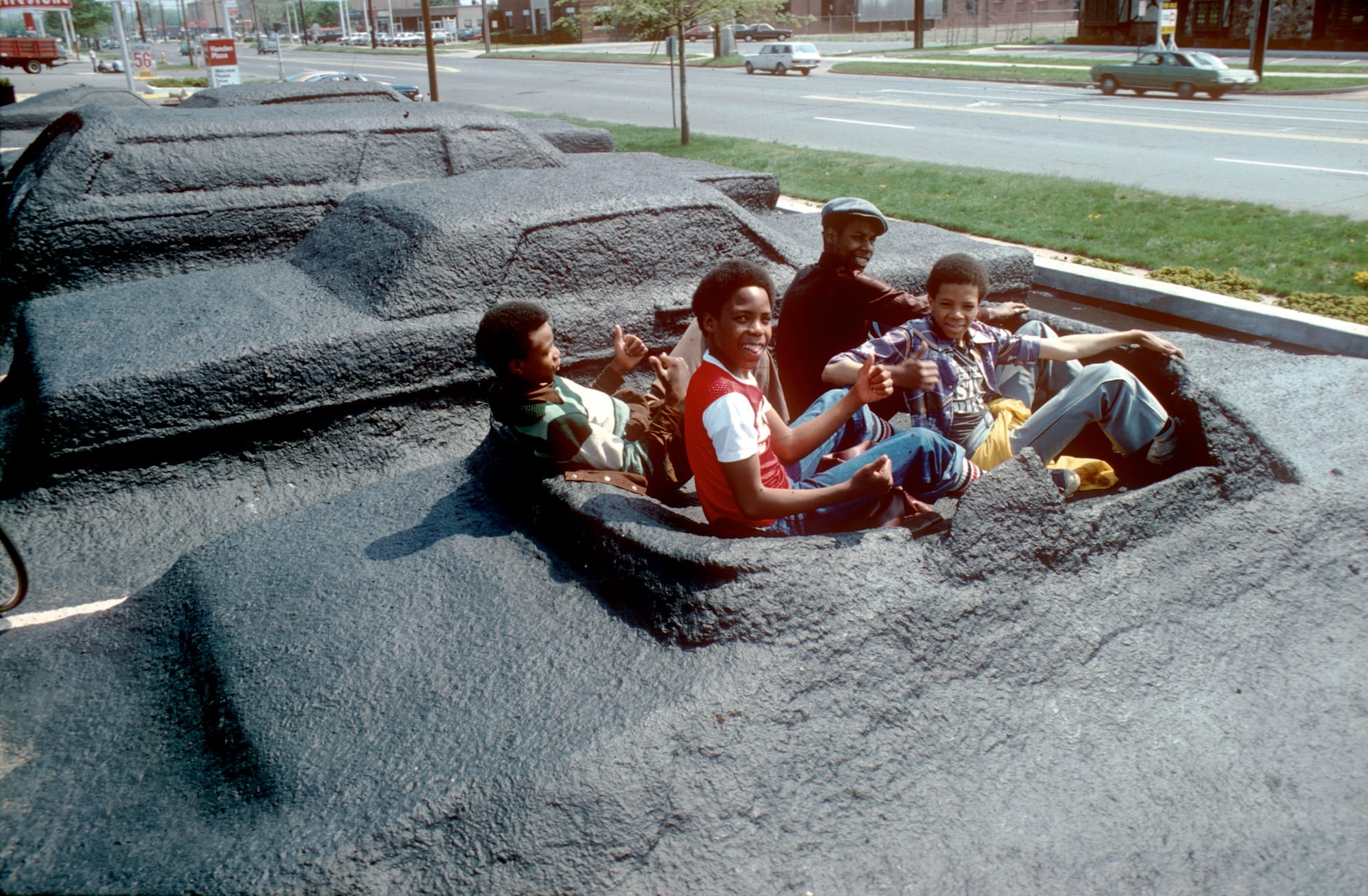
The BEST designs are just a piece of SITE’s broader commentary on commercialization. There’s also “Ghost Parking Lot,” an enormous, immovable public art project in Hamden, Connecticut, that buried twenty cars beneath asphalt. Forever halted outside the shopping mall, the immobile vehicles became ghostly signals of endless consumption and urban sprawl.
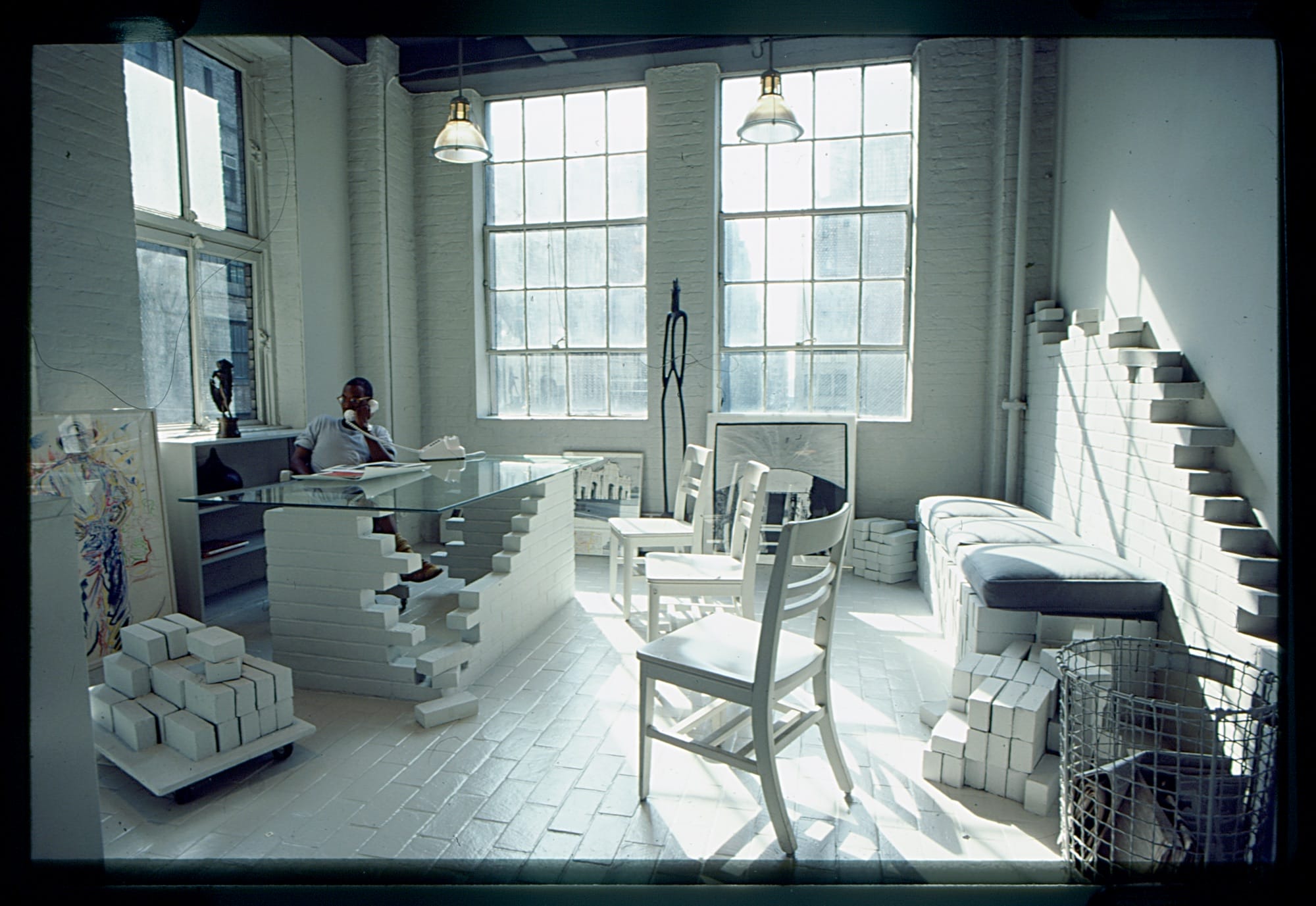
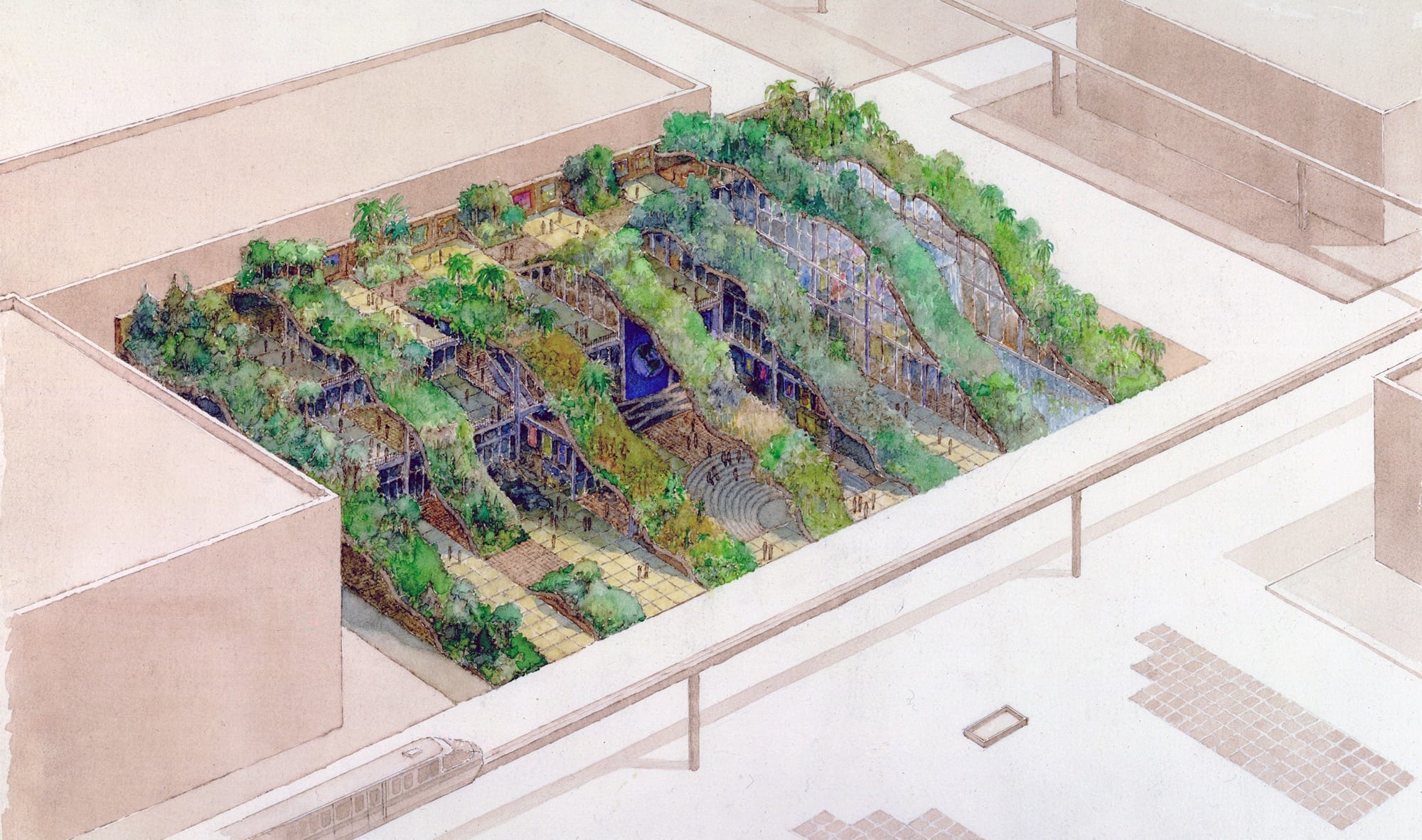
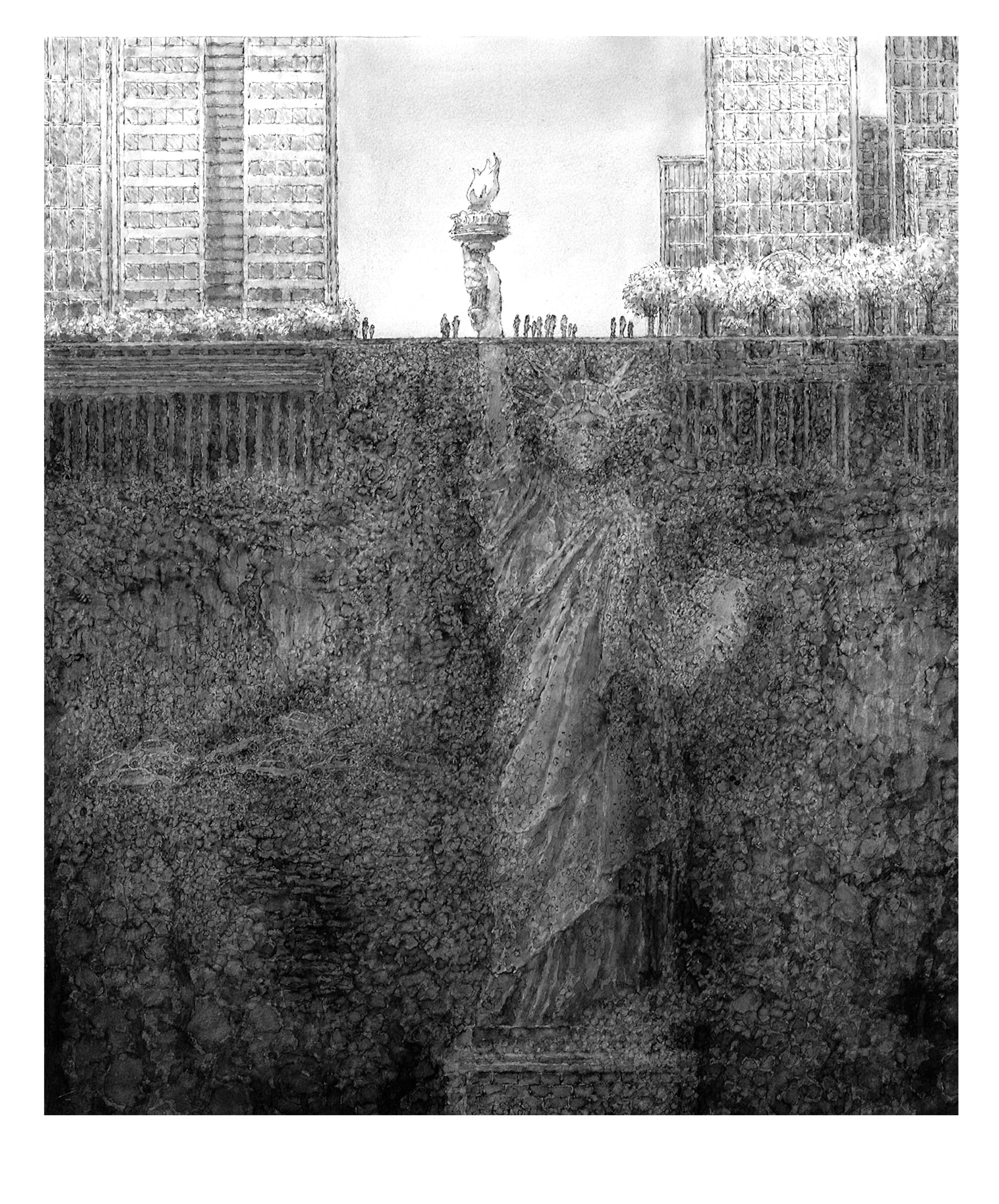
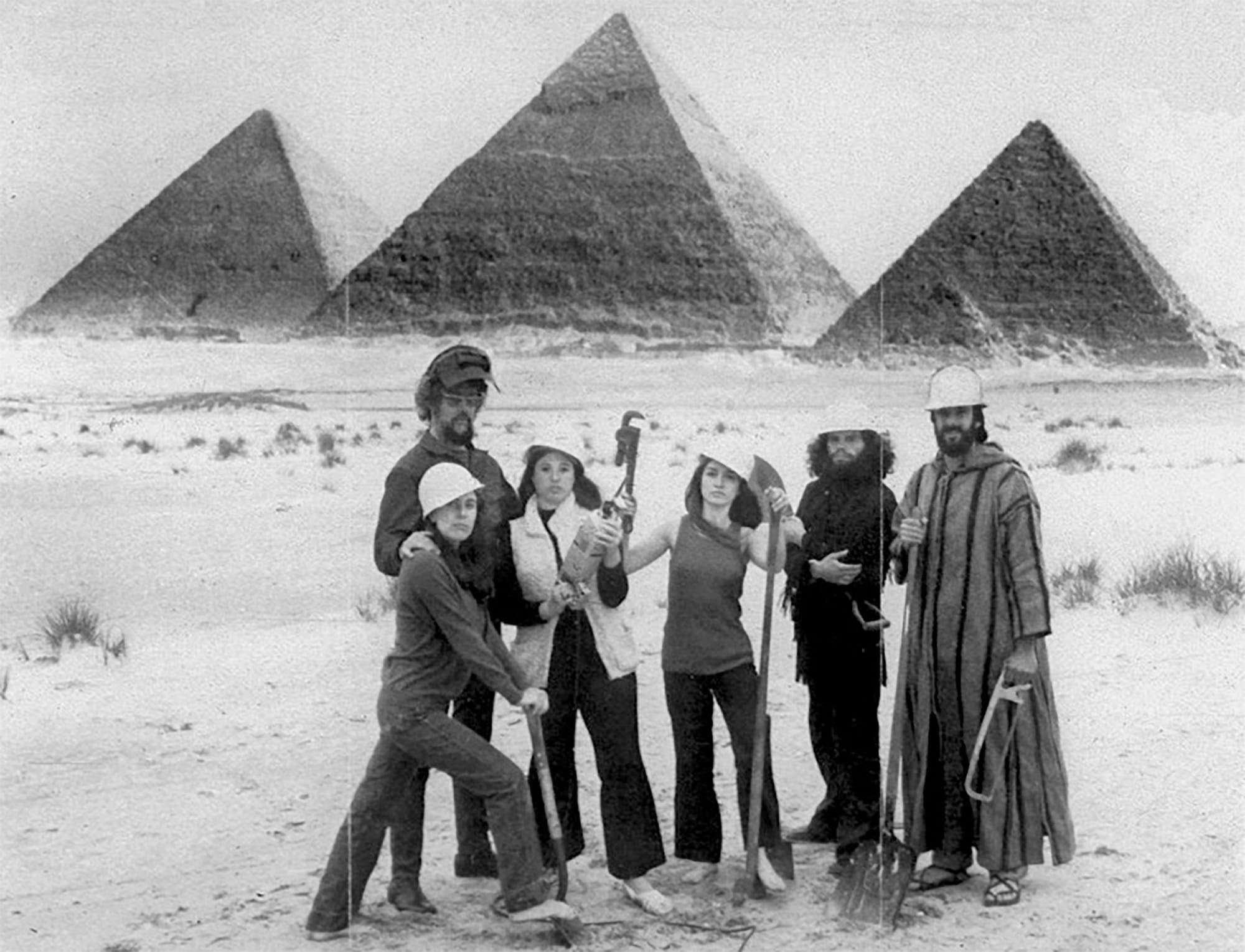
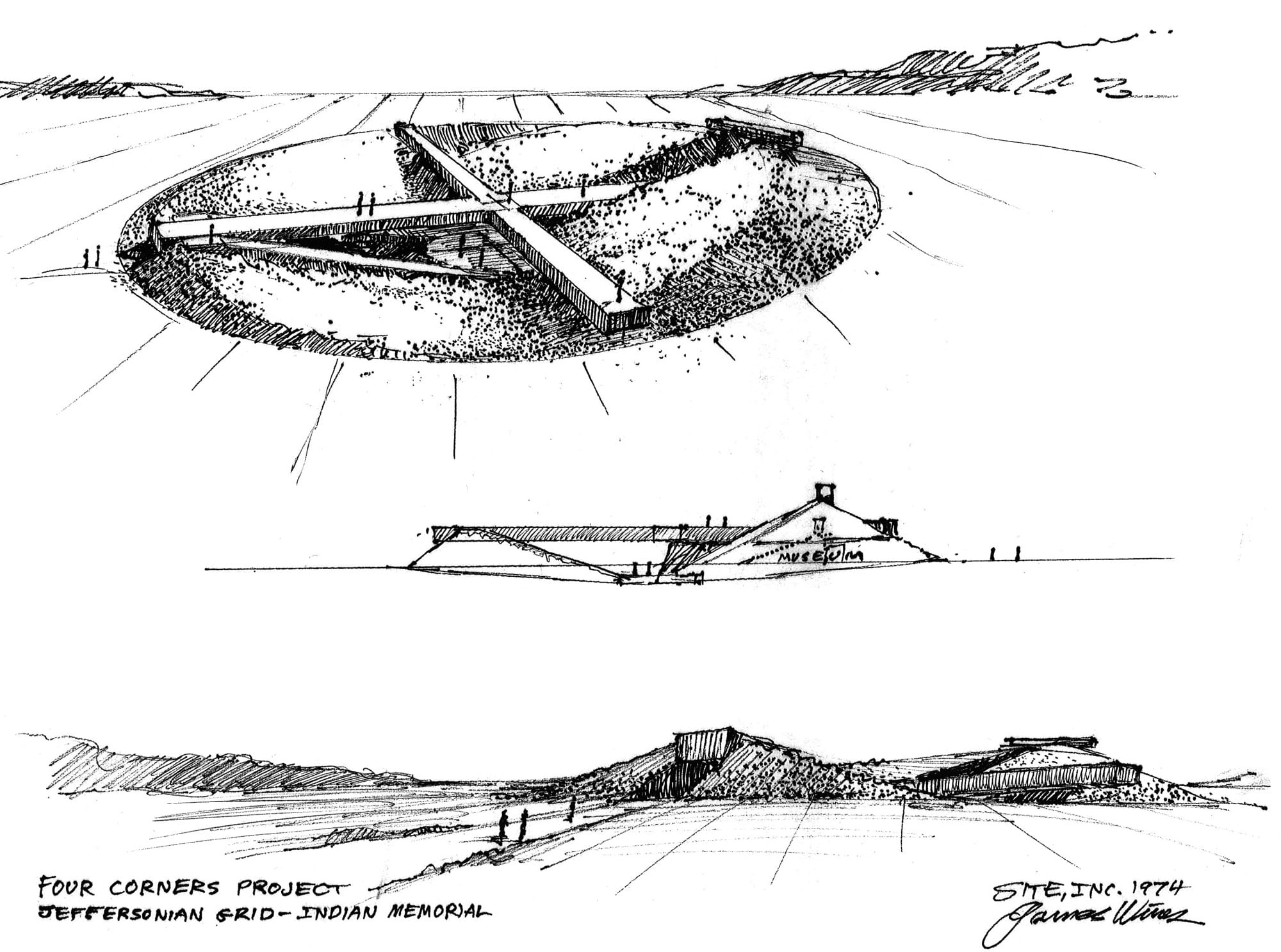
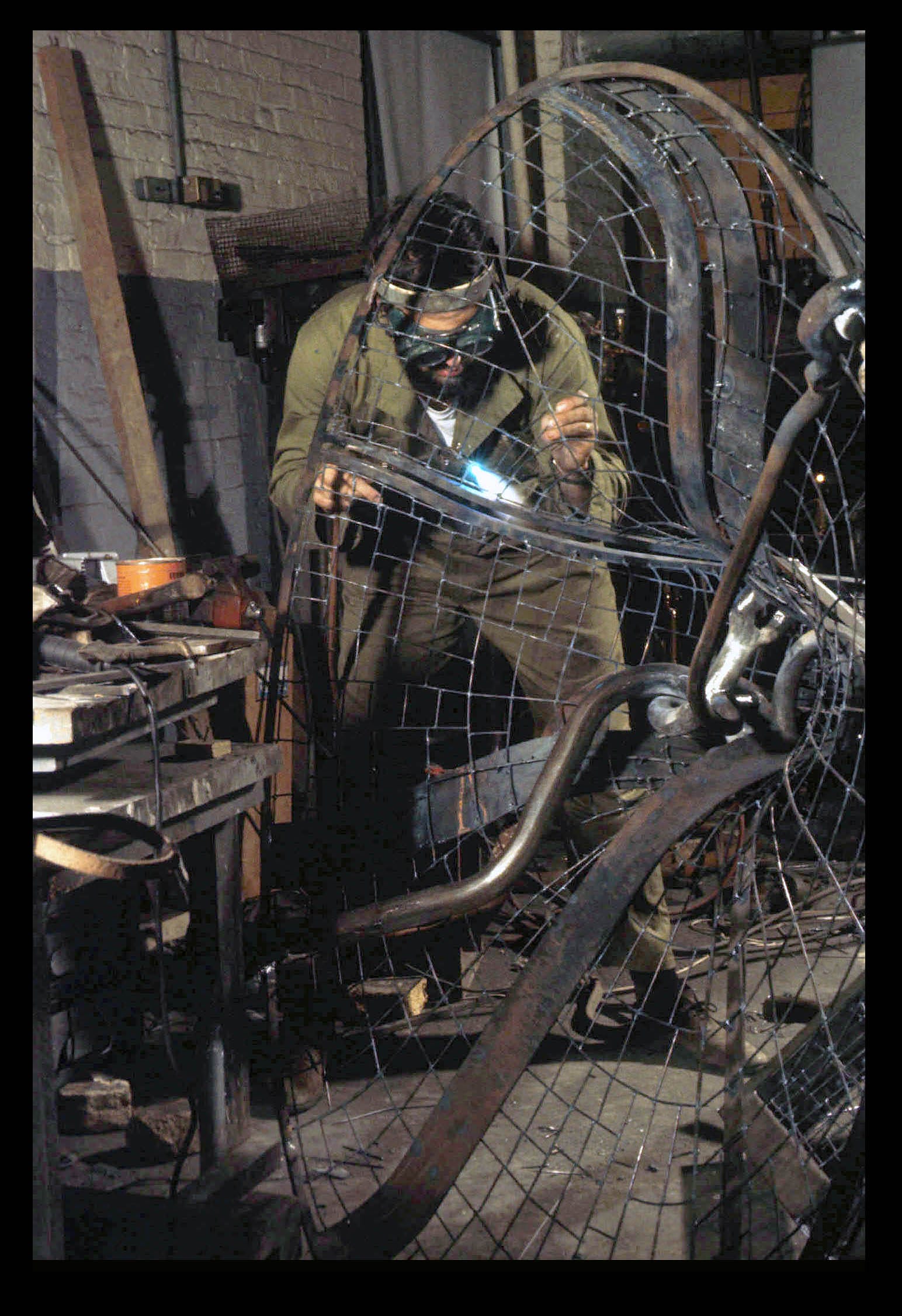
What Else Could It Mean? collects Wines’ drawings, renderings, and writings across five decades, presenting these rarely seen documents alongside archival photos of realized projects. SITE’s ethos has particular relevancy today, especially as it challenges the inherent accessibility of art and architecture and advocates for a more democratic approach to collective life. Designer and curator Phillip Denny writes in the introduction:
These are works that engage their context, invite participation, and reward curiosity regardless of one’s background. It is art and architecture for the popular public that anyone can stop in front of, be surprised by, laugh at, and think about without a guidebook. Often ironic but never cynical, always generous and ecumenical, SITE created art where people least expected to find it, in the “junk-culture world of the commercial strip and suburban sprawl.”
Get your copy of What Else Could It Mean? on Bookshop, and explore more of SITE’s works on its website.